Captain America: The Winter Soldier (2014)

★★★★

Captain America: The Winter Solider PosterDirectors: Anthony and Joe Russo

Release Date: March 26th, 2014 (UK); April 4th, 2014 (US)

Genre: Action; Adventure; Science fiction

Starring: Chris Evans, Scarlett Johansson, Samuel L. Jackson, Anthony Mackie

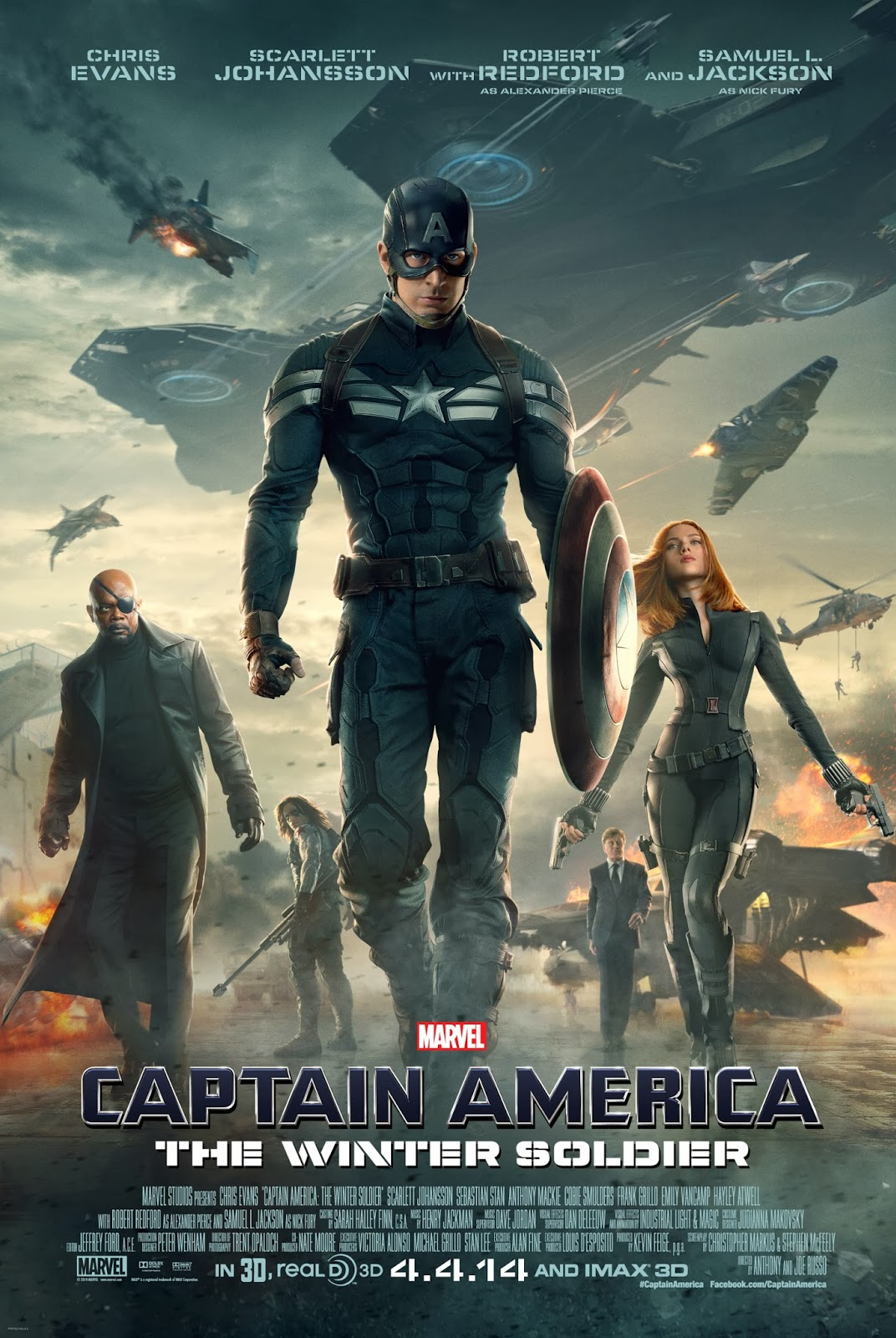
Anthony Mackie’s aerial hero Sam Wilson clarifies his role in combat: “I’m more of a soldier than a spy.” It’s a statement that undoubtedly applies to the all guns blazing Falcon, but not one that echoes alongside Captain America: The Winter Soldier. In a bolder move than perhaps initially perceived, brothers Anthony and Joe Russo decide to direct this latest Marvel instalment down a noticeably unrecognisable runway, one without the usual witty pizazz or golden godly attire. Instead, we find ourselves immersed in a more familiar world where threats come from secretive suits and moral ambiguity challenges heat of the moment decision-making. An ever-increasing commonality on the annual cinematic calendar, superhero jaunts must beware genericism. Captain America: The Winter Soldier heeds this notion by placing storytelling on a pedestal, and the result is the genre’s best outing since The Avengers.

Having traded barbershop quartets for iPhones, Steve Rogers (Chris Evans) is struggling to comprehend modern society. Shield in hand and other hand in the enemy’s face, as Captain America, Rogers is unwavering — if there’s a mission to be done, it’s his job to carry out the orders without fail. However, when the star-spangled armour is removed and his protection against life and its cynicisms subsequently foiled, Rogers finds himself at odds with not only those close to him, but also at his own inherent ideals too. With the walls of surveillance closing in and S.H.I.E.L.D. director Nick Fury’s (Samuel L. Jackson) warning to trust nobody a prominent klaxon bellowing around his mind, the bastion of righteousness must suddenly contend with another menace: the aptly named Winter Soldier (Sebastian Stan).

Unlike most other Marvel epics, The Winter Soldier adheres to a distinctly retro vibe; in execution, in tone and in narrative. Of course the same could be said of The First Avenger but, unlike the film set amidst World War II, Captain America’s second sole venture onto the big screen sees him fiddle around in a 2014 that is rife with wisps of the past. Phrases such as “nuclear war” are tossed around and it’s not long before the technical beat of Bourne sounds off. Rather than bombastic CGI gorging, the film shuttles forth through subtle tension. It has the basis of a spy thriller, an espionage tale pitting foes against each other in a semiotic battle where the meaning behind a threat holds as much reverence as its actual implementation.

The filmmakers astutely conjure up an air of uncertainty that sees hostile clouds slowly gather as a plethora of characters interact with each other. We know only to trust Cap, who is suffering the same principle-related dichotomy that any of us would succumb to if thrown in a similar situation. At heart he’s still the same scrawny chap from 1942, and is entirely relatable in that sense (his normality rather than his age). This amalgamation of Cold-War-esque strain is emphasised at no better moment than during a lift scene where, as more gun-wielding combatants enter and the number of suspects grows, one single trickle of sweat represents a hazy downpour from those aforementioned clouds of hostility. The overriding tonal shift works because it is different from what we normally see at the reels of Marvel (and normally enjoy too). In actual fact, The Winter Soldier is of similar mould to Christopher Nolan’s Dark Knight trilogy, as gritty realism effectively grounds and familiarises proceedings.

In an interesting twist, though the Cold War vibe presents an encapsulating avenue into the film for viewers, said time period absolutely remains a modern one for Captain America. The unethical derivative of modernity combined with fears over infiltration acts as an almost tumultuous double whammy for Steve Rogers, who is experiencing the worst of two eras. A lot of emphasis is placed on character development which means the audience is able to develop a sincere connection towards Rogers who, in the previous film, was a bit of a one-trick pony. This time around, Captain America is the perfect foil for the narrative in question, one hoisted aloft by defection and deception. He’s the symbol of freedom and justice, but how can one be fair in a morally jarring modern society? Rogers walks through a museum, showing signs of still living in the past much like his seemingly outdated moral attitude (“It’s just not the same”). One recognisable element though, is conflict, and The Winter Soldier himself reflects the soulless nature of contemporary life. As a villain he’s solid, if not a tad uninspired, though Sebastian Stan does occasionally stimulate an aura of peril.

The mind-strewn superhero himself, Chris Evans emits an authentic sense of noble disenfranchisement, but refrains from thrusting his character too far in the wrong direction. Unlike S.H.I.E.L.D., his stance is never compromised. Evans is a very watchable presence, much akin to Scarlett Johansson whose skilled spy Black Widow is a peculiarly compliant foil to Captain America. Johansson’s poise suits her ruthless agent, and here she is given a wider emotional spectrum to hit. Though originally introduced as part of the Iron Man thread, Black Widow is better suited to Captain America. Robert Redford shows up as S.H.I.E.L.D. seniority, a tangible throwback to those 1970s political war outings from which the film finds inspiration. His role not quite as physically tormenting as in All Is Lost, Redford appears to be enjoying the healthier hands-in-pockets approach here. Other noteworthy faces include Anthony Mackie, who injects humour and energy as Falcon, and Samuel L. Jackson whose Nick Fury sees more action than ever before.

One or two issues do arise as the film trundles on, notably a moment of universal conformity against a particular someone displayed throughout the ranks of S.H.I.E.L.D., an instant acceptance that feels slightly inharmonious when considered in context with the cohesive events of previous Marvel films. Though The Winter Soldier upholds a down-to-earth narrative for most of its overly long runtime, the last 30 minutes do usher in a quintessentially grandiose superhero battle. Perhaps a more nuanced final act might have rocketed the film within touching distance of The Dark Knight territory in terms of quality, but the concluding action is exciting and does not overstay its welcome regardless. The anxiety-driven tone contributes to the film’s wholly apparent lack of humour, which is a slightly disappointing but likely unavoidable cost.

“I thought the punishment was supposed to come after the crime,” rebuffs Captain America upon hearing about S.H.I.E.L.D.’s new anti-criminality methods. Buoyed by connotations of yesteryear, Captain America: The Winter Soldier presents a pertinent rhetoric on modern society by placing its titular hero in a moral joust of ethics that are tainted at best. Admirable, different, and admirably different.
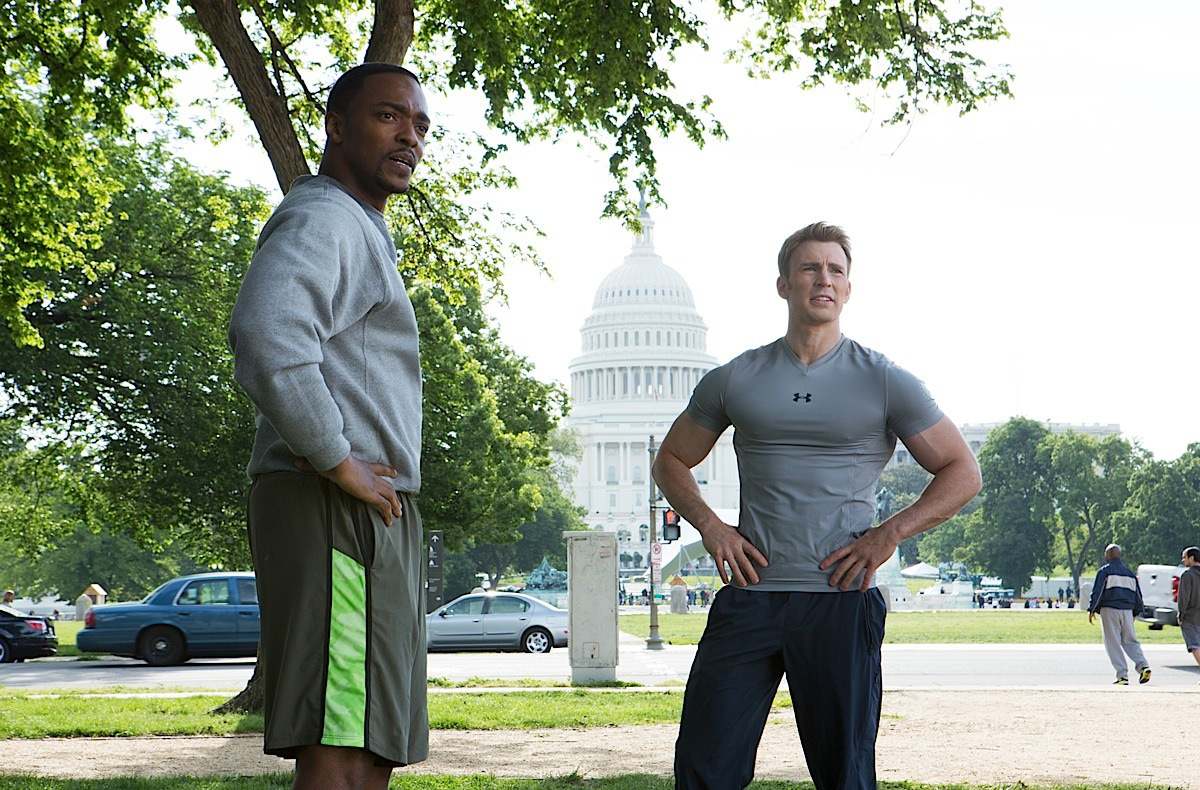
Captain America: The Winter Soldier - Chris Evans

Images credit: IMP Awards, Collider

Images copyright (©): Walt Disney Studios Motion Pictures

The Amazing Spider-Man 2 (2014)

★★★

Director: Marc Webb

Release Date: April 16th, 2014 (UK); May 2nd, 2014 (US)

Genre: Action; Adventure; Fantasy

Starring: Andrew Garfield, Emma Stone, Dane DeHaan, Jamie Foxx

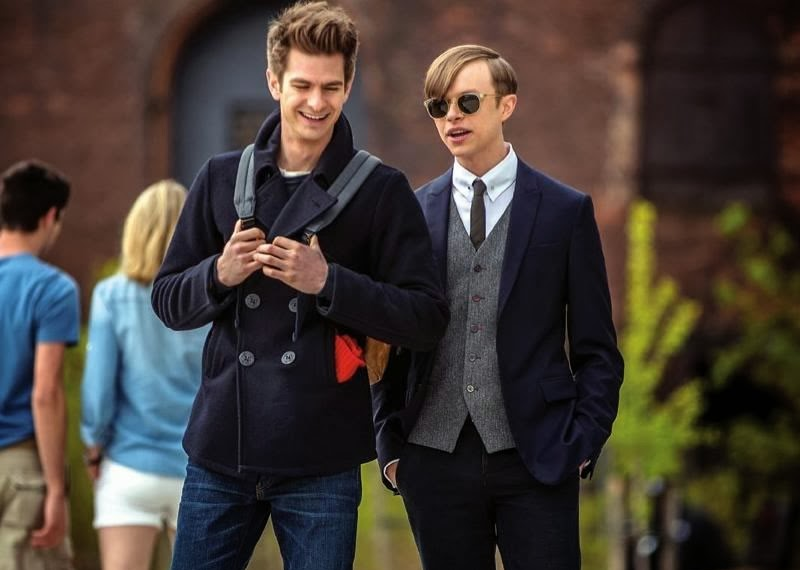
As Spider-Man majestically manoeuvres around an invisible pathway above New York City, camera in tow as if magnetised to his every flip, swing and twirl, we hear him articulate one witty quip after another. An air of intertwined energy and humour instantly sweeps across the screen, exponentially infectious; we are watching a superhero flick after all. Fun is the order of the day, only it arrives at a cost and in 2014 a structured sense of direction can too be quite pricey. It should come as no surprise then that, as Spidey encounters one enemy after another, proceedings take a slightly messy turn. Almost two hours and 30 minutes pass fairly quickly, but as time ticks and Spidey’s checklist grows you get the sense that ongoing events would benefit from separation into two shorter films.

Buoyed by his latest victory over Dr. Connors, Peter Parker (Andrew Garfield) has become an ever-present on the streets of NYC, fighting off crime with aplomb and tactile guile whilst wearing the red of blue of his arachnid alter-ego. Beneath the surface, Parker has an awful lot on his plate: graduation, a relationship, mysterious parentage and an increasingly widening plethora of bad guys to deal with. Haunted by visions of his girlfriend’s dead father, Parker is at a moral crossroads as to whether he should continue dating Gwen (Emma Stone) and there still exists a shroud of uncertainty surrounding the motives of his father and mother. That’s not even to mention the blue-skinned Electro (Jamie Foxx) running rampant around the city, and he’s not the only one. Phew.

It’s almost a given nowadays that the combination of a gargantuan cinema screen and the latest summer blockbuster will yield exhilarating action and visual spectacle. On current evidence said expectation is justified. The Amazing Spider-Man 2 opens vibrantly and brims with commotion thereafter. Bolstered by some impressive digital creation and Daniel Mindel’s cinematography, each lively sequence retains an outstanding quality that keeps us engaged regardless of any plot misgivings. Notably, splurges of slow motion webbing are enticing and a transformation sequence towards the conclusion shepherds connotations of the magnificent scene in An American Werewolf in London.

One of the saga’s best branches stems from a trunk of genuine chemistry shared between its leading duo, Andrew Garfield and Emma Stone. The pair are a couple in that thing we tend to call ‘real life’ every so often and their inherent connection flourishes on screen, even more so than in the first film. Garfield continues to cement himself as a better Spider-Man than Tobey Maguire, who was hardly a damp squib in the role. The Englishman can hardly contain his wit at times, a trait wholly welcome in the superhero genre. Stone’s Gwen Stacy is ushered further into the limelight here and her performance alongside Garfield merits the busier workload. They jointly visit the entire emotional spectrum, a standout stop being an especially dramatic scene towards the end. It’s apparent that director Marc Webb and his cohorts are invested in these two characters and this is a positive sheen that rubs off on us viewers.

Beyond Stone and her beau, performances are generally excellent. Dane DeHaan is particularly impressive as Parker’s best friend and Oscorp inheritor Harry Osborn, his facial expressions often insinuating mischief. He resembles a young Leonardo DiCaprio here more than ever — the voice, the hair, the mannerisms — and certainly has the talent to attain DiCaprio’s enviable portfolio. Jamie Foxx stars as the primary villain Electro, though is unrecognisable post-mutation. The character’s mindset drastically alters from one of blunder to one of forcefulness and Foxx handles the switch solidly despite the villain’s lack of conviction. Another unrecognisable face lost amongst the unnecessarily long list of antagonists is Paul Giamatti, who hams it up to the Nth degree as Aleksei Sytsevich.

Giamatti’s comedic purveyance is hit-and-miss, but by and large splashings of humour strike the correct spots. Comedy has become an essential element in the superhero formula, and getting it right undoubtedly provides a sturdy springboard for any subsequent action. Quality over quantity is key; brisk spells of funny are on the menu here and these bursts resultantly set the desired tone, ensuring wisecracking comedy doesn’t overpower the drama but simultaneously exists as more than simply a relief mechanism. Whether he’s arguing against the “laundry sheriff” or awkwardly atoning for making Gwen late (“I’m sorry to bother you my fair lady”) Andrew Garfield is often the source of amusement. Heck, he even generates a laugh out of the ill Spider-Man gag.

This is a far more entertaining watch than The Amazing Spider-Man, but it does adhere to the modern Marvel formula. The studio has been churning out at least two films annually over the past few years with more projects pencilled in until 2028, perhaps an indication that we are getting too much, too soon, too often. As time develops and these films come and go, it is become increasingly difficult to reinvent the superhero wheel and there are faint smatterings of this problem to be found in The Amazing Spider-Man 2. The film is on a similar level to Thor: The Dark World in terms of pure enjoyment, but unlike the Norse tale (which channels simplicity for the most part) Spidey part two gorges excessively.

This overabundance is a problem. Far too many things are going on. By the end of the film, there are at least five villains (admittedly, of varying importance) and a few characters so far out on the periphery of proceedings that their presence is called into question. Felicity Jones is criminally underused as Harry’s assistant Felicia and one can only hope that she has a greater role in part three. A random doctor plucked straight from 1960s Soviet Russia shows up at one point and his exaggerated demeanour is one step too far. A hefty percentage of the dialogue also gets caught up in discussions over physics. Modern day blockbusters should carry an intelligent weight, absolutely, but that notion doesn’t extend to rehashing school science lessons.

Reciting implausibilities within the context of a superhero film may not be the wisest of moves, but there is a difference between principal abnormality — that is, our main heroes displaying unimaginable powers — and plain absurdity. An early fight scene that takes place on an aircraft embodies preposterousness, as both a human being and his laptop withstand a free-falling, ripped apart plane. How on earth does the device manage to retain an internet connection?

Though The Amazing Spider-Man 2 becomes entangled in a complicated web of narrative strands, a healthy dose of thrilling action and toxic humour funds endless amounts of enjoyment. Andrew Garfield and Emma Stone seal their place among the best couples going in the genre, and as the latter’s Gwen Stacy recites her valedictorian speech (“Make your [life] count for something”) we are appreciatively reminded of those familiar superhero themes: empowerment, belief, and laundry jokes.

Thor: The Dark World (2013)

★★★★

Director: Alan Taylor

Release Date: October 30th, 2013 (UK); November 8th, 2013 (US)

Genre: Action; Adventure; Fantasy

Starring: Chris Hemsworth, Tom Hiddleston, Natalie Portman

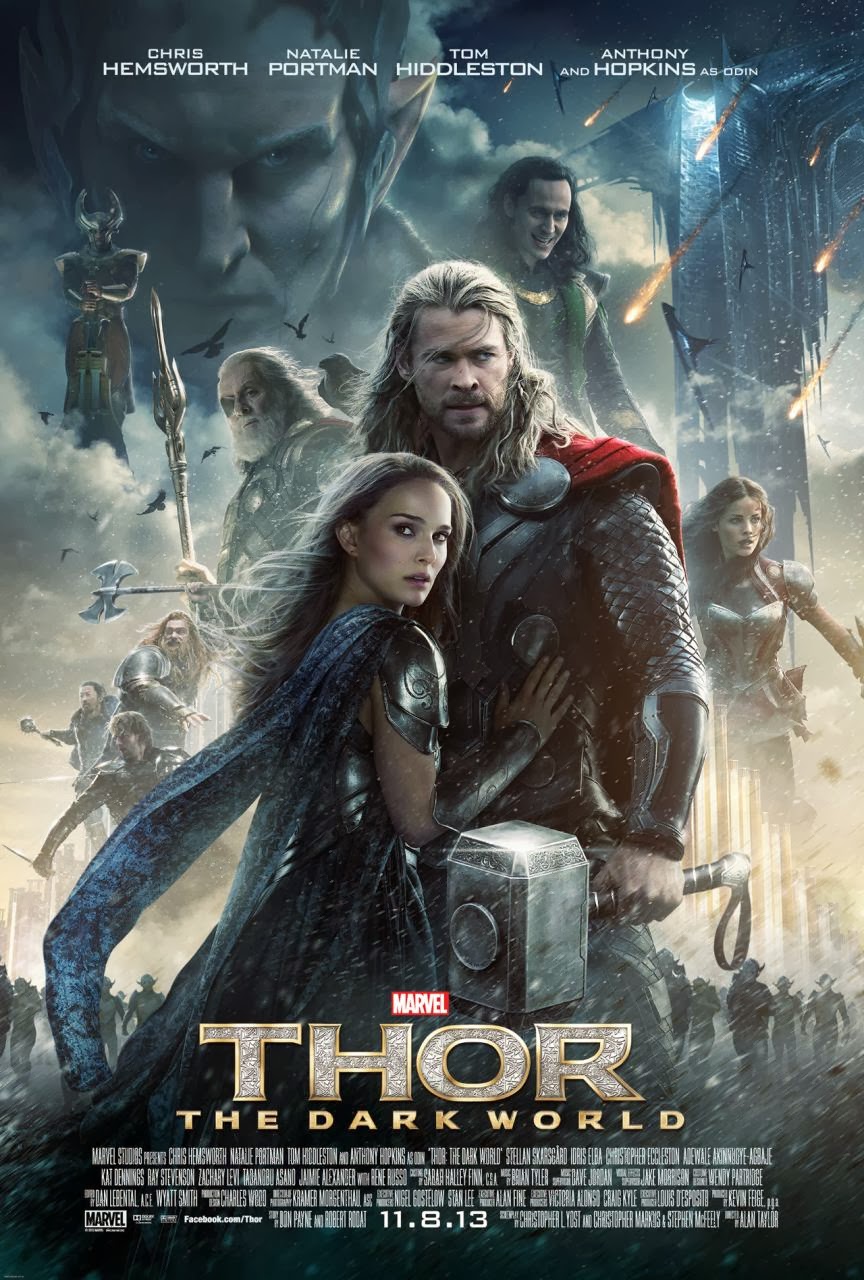
After Iron Man 3’s failure to ignite Marvel: Phase Two into top gear, Thor: The Dark World signals a brisk return to form for the franchise king as the film quenches any Mandarin-shaped spectres. Regardless of a few questionable plot elements, the second instalment of Thor brims with fun and is the epitome of rip-roaring cinematic entertainment, perhaps even bettering much of Marvel’s pre-Avengers universe.

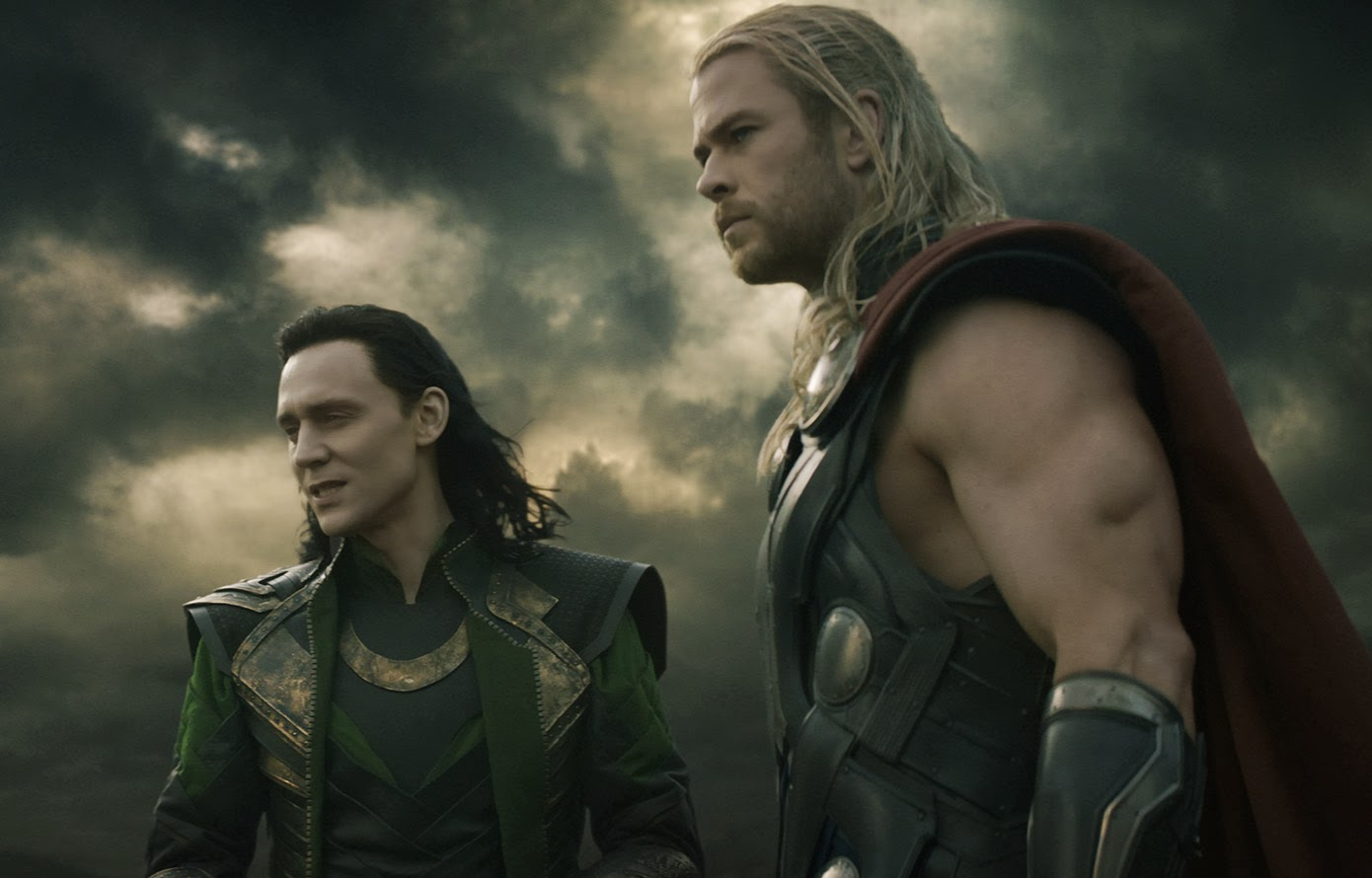
With the impending arrival of the evil Alien-inspired Dark Elves — led by an utterly unrecognisable Christopher Eccleston — Chris Hemsworth’s Asgardian hero Thor must put aside much of the loathing he is entrenched in and team with his imprisoned brother Loki in order to save the Nine Realms.

Tom Hiddleston returns as the devious Loki and is a joy to watch when he is present on screen (which is certainly not enough) in another scene-stealing performance. There is a slight shift in the central relationship this time round: from the son of Odin and his mortal love interest Jane Foster (Natalie Portman), to the natural-yet-severed dynamic between the brothers, and this certainly amps up the tension. Portman doesn’t have as much to do this time around and, much like Thor in the previous film, finds herself in unusual surroundings. The novelty of seeing Foster wander around Asgard doesn’t quite reach the same level of playfulness as bearing witness to the God of Thunder eating breakfast in a New Mexico diner.

The film simultaneously manages to be darker, wittier and more enjoyable as it rises above the satisfying level set by that of its predecessor. Director Alan Taylor takes a slightly different approach than Thor’s (2011) Kenneth Branagh, as he powers every nuance of the film with Mjolner and tongs. Taylor, who has recently worked on the hit television series Game of Thrones, delves into the fantasy world even more with encapsulating Lord of the Rings-esque costumes and landscapes aplenty. Stir in Brian Tyler’s grandiose score — which haunts as much as it packs a punch — and you’ve got the perfect concoction of post-Middle Earth entertainment.

Even the very occasional influx of sap quickly evaporates by way of some creepy imagery and a brooding underlying tone which was missing previously. Genuine danger manifests around the Dark Elves spearheaded by Eccleston’s Malekith — the villain’s name boasts a snake-like quality as it slithers off the tongue.

Proceedings threaten to boil over into mind-boggling territory come the final showdown, but a frantic pace and exhilarating action mesh together successfully as a means of retaining the audience’s attention.

The direction of Thor: The Dark World is set early on as action engulfs events (“Is that why everything is on fire?”) and by the time the realm-interchanging plot starts to confuse a little, the aesthetically supreme film has already delivered in pure enjoyment.

Iron Man 3 (2013)

★★★

Director: Shane Black

Release Date: April 25th, 2013 (UK); May 3rd, 2013 (US)

Genre: Superhero

Starring: Robert Downey Jr, Gwyneth Paltrow, Ben Kingsley, Guy Pearce

The third instalment in the Iron Man franchise takes place sometime after the events of The Avengers. Tony Stark/Iron Man (Downey Jr) finds himself suffering from nightmares and panic attacks as a result of his experiences in New York with the Avengers. An increasingly apprehensive ‘Pepper’ Potts (Paltrow), Stark’s girlfriend and CEO of Stark Industries, struggles to maintain Stark’s attention due to his obsession with building countless Iron Man suits. Meanwhile, a series of bombings orchestrated by an uncontrollable and decisive terrorist known as the Mandarin (Ben Kingsley) has left the world in panic. Stark must find a way juggle his personal life with Pepper, whilst protecting her, with fighting back against the Mandarin and the path of destruction he has left behind.

The very first thing I would like to say about this film is that — despite its shortcomings — it is very entertaining. Shane Black has recaptured the fireworks that Iron Man 2 had lost, providing a fast-paced plot. The huge set pieces such as the plane (shown in the trailer) and the dock sequence are hugely impressive, with engrossing action that never at any point lost my attention. As a matter of fact, the action in this film is equally as good as the action on display in Iron Man. Shane Black obviously not only has an eye for amazing visuals, but also an ear for wit as Iron Man 3 produces the best comedy of the three films — primarily from the on form Downey Jr, displaying his usual acting tendencies. The success of the witty, smart script is most likely a product of Black’s work with Downey Jr in Kiss Kiss Bang Bang. The cast are also solid, with actors such as the dependable Don Cheadle contributing genuine performances.

“I must be losing my mind.”

Having said all of that, I do not believe that Iron Man 3 quite met the lofty heights of Iron Man. The plot, while fun and entertaining, was not as intriguing, and any intrigue it did have in the first half of the film was lost after a key plot development that I will discuss in the spoilers section of this review. The most disappointing aspect of this film for me though, was the misuse of two of its characters. Rebecca Hall — who plays former love interest of Stark and botanist, Maya Hansen — undergoes more attitude changes than Jack Nicholson in The Shining! Whilst she plays the role absolutely fine, the role itself is flawed and might have benefited from a little more screen time, or, in a perfect world, more development.

SPOILERS FOLLOW

I have seen many character twists in numerous different films in my fairly short existence, but I cannot remember being more disappointed than by the development of Ben Kingsley’s Mandarin in Iron Man 3. For an hour or so, the Mandarin is depicted as a merciless, creepy, fearful villain — perhaps the best villain of the Iron Man franchise so far. Then, out of nowhere, we discover he is merely an actor (how ironic) hired by Guy Pearce’s Aldrich Killian to be the face of a new terrorist plot — shielding Killian from any suspicion and allowing him to develop and undertake a plan to capture Pepper Potts and inject her with his Extremis virus (which regenerates body parts) in order to gain Stark’s attention and force him to fix the faults in the virus — or risk losing Potts. Killian is a decent, sly villain however he is nothing compared to the Mandarin and the potential Shane Black had created with that character in the film’s opening hour. I would have much preferred it if Killian turned out to be a sidekick to the Mandarin and not the actual Mandarin himself.

“I am the Batman.”

Finally, the last few scenes were also slightly problematic to me. We are to understand that after all off the ordeals Stark and Potts have gone through, that Stark is now putting Iron Man on the back-burner (which obviously cannot be true anyway) to rekindle his relationship with Potts. But then, after having the shrapnel removed from his heart and after destroying his Iron Man costumes, Stark visits the location of his former home and collects part of the machinery controlled by JARVIS — perhaps indicating that he is not done with Iron Man. Where the problem lies for me is that if he did plan on recovering such machinery (the same machinery he uses to create Iron Man suits) why did he destroy all of his Iron Man suits in the first place?

SPOILERS FINISHED

Despite its shortcomings, Shane Black succeeds in creating a fun, entertaining and hugely enjoyable third part to the Iron Man franchise which is funniest instalment to date.