Boyhood (2014)

★★★★★

Boyhood PosterDirector: Richard Linklater

Release Date: July 11th, 2014 (UK); August 15th, 2014 (US)

Genre: Drama

Starring: Ellar Coltrane, Lorelei Linklater, Ethan Hawke, Patricia Arquette

For many, Boyhood is the latest film to define a generation. They’re right, but it doesn’t hold fort at just one generation. The beauty in Richard Linklater’s 12-year undertaking is its accessibility, its exclusivity. This is a film that will surely speak to many different people from many different age groups. It could have easily been named Girlhood, or Fatherhood, or Motherhood because it is all of those things. As an early-90s kid myself, Linklater’s piece plays like the ultimate reflection of growing up, and clocking in at 165 minutes it feels like one of cinema’s finest works.

It’s 2002 and six-year-old Mason Jnr (Ellar Coltrane) is living with his older sister Samantha (Lorelei Linklater) and their mother Olivia (Patricia Arquette). While the siblings annoy each other with Britney Spears renditions and blame games, mum is actively striving to open up new avenues and offer them a better life. We watch the family move (a frequent occurrence) across Texas to accommodate Olivia’s studies, at which point dad Mason Snr (Ethan Hawke) reappears.

This manoeuvring of people and place is what drives Boyhood. Every character is jockeying for something and even though the piece spans 12 years and a variety of locations, that something often remains constant. From the moment we meet little Mason staring ponderously at the sky, it is apparent that we’re in the presence of a youngster not entirely resolved on which path he wants to take in life. He’s just a child at this point but Mason’s lack of enlightenment soon evolves into indecision as relates to the future; photography does take prominence, but it is tough to tell if his heart is truly in picture-taking. As the years roll on, Coltrane carries Mason’s ambiguity with increasing fervour. It’s just enough to generate intrigue and mirror reality — a darkroom chat in school highlights that angsty unmoved-yet-not-entirely-disengaged trait common in teenagers — but not so much as to push us or those around him away.

His sister Samantha is different. Despite the camera’s fondness for Mason Jnr, Samantha gets ample screen time to evolve and as a result her desire for independence gains more clarity. She is the older of the two and therefore tends to champion a greater degree of worldly awareness over her brother; one of the most cringeworthy scenes is also one of the most endearing, where Mason Snr communicates strategies to avoid teenage pregnancy. Lorelei Linklater sells the awkwardness brilliantly, though in truth her chat with Ethan Hawke was probably just as embarrassing in real life.

Hawke is stellar as dad Mason Snr, embodying the character whose behaviour differs most between the opening and closing frames. That’s not to say he becomes the antithesis of his younger self, but rather a more seasoned version with the same emotional clout. One of Linklater’s greatest triumphs in making Boyhood is affording his characters a robust sense of identity across the 12 years. Above anything else, Mason Snr simply wishes to be a good father and it is such a joy watching him thrive in the role. He is never a bad father per se but the underlying guilt harpooned to him as a result of his separation from Olivia is palpable, so much so that he makes humorous yet immature jokes in front of his children to dodge the subject (“Your mother is a piece of work, I think you know that by now”).

Olivia, on the other hand, is wound up fairly tightly, she fulfilling most of the parenting duties whilst her ex-husband works away in Alaska, frozen from reality. Unlike with the others, we need to wait until Olivia’s final words to really grasp hold of what she has been pursuing over the years. Patricia Arquette delivers those last few lines with the utmost sincerity and pain, and at that point we realise her character’s embedded desire has always been for something more. Having lived a life for her children, it becomes clear to Olivia that she wants to live for herself, at least just a little. It is the most heartbreaking point in a film roused by heartfelt moments, one that poignantly captures parenthood for the uninitiated such as myself.

Each of the aforementioned characteristics and motivations are universal, the kind that we can all relate to either personally or in passing. Appropriately, in a film about relationships it is the interactions between individuals that really inject spark and vitality. Linklater always means to coax emotion from the scenes he creates, be it in the form of infectious laughter, genuine solemnity or, as is often the case, foolproof charm. We get as much out of Olivia’s longing for normality as she watches her children drive away for the weekend as we do from a car-set conversation where the siblings reverse their father’s parental diatribe back onto him. The chemistry between all four main actors is indelible.

One thing that Boyhood ain’t is heavy. The filmmakers’ efforts — greatly aided by Sandra Adair’s fluent editing — encourage a true sense of lightness. When we’re not chuckling at the absurdity of now outdated pop culture trends (I’ll take Harry Potter over Soulja Boy any day of the week), wit comes in the form of almost caper-ish humour; the sneaky removal of a pro-McCain signpost wouldn’t look out of place in a Coen brothers comedy, nor would the appearance of a staunch Republican neighbour just seconds before: “Do I look like a Barack Hussein Obama supporter?”

I watched Boyhood at home on Blu-ray. After the credits finished rolling, the disc reverted back to its main menu where the option to view a special feature was supplemented by a montage of Mason growing up, Family of the Year’s song “Hero” playing in tandem. It was like watching the film all over again, tear-jerking and life-affirming. Boyhood is bigger than any perceived gimmick. It’s a film for all the family about all the family. It’s proper cinema.

Boyhood - Ethan Hawke Ellar Coltrane & Lorelei Linklater

Images credit: IMP Awards, Collider

Images copyright (©): ICF Films
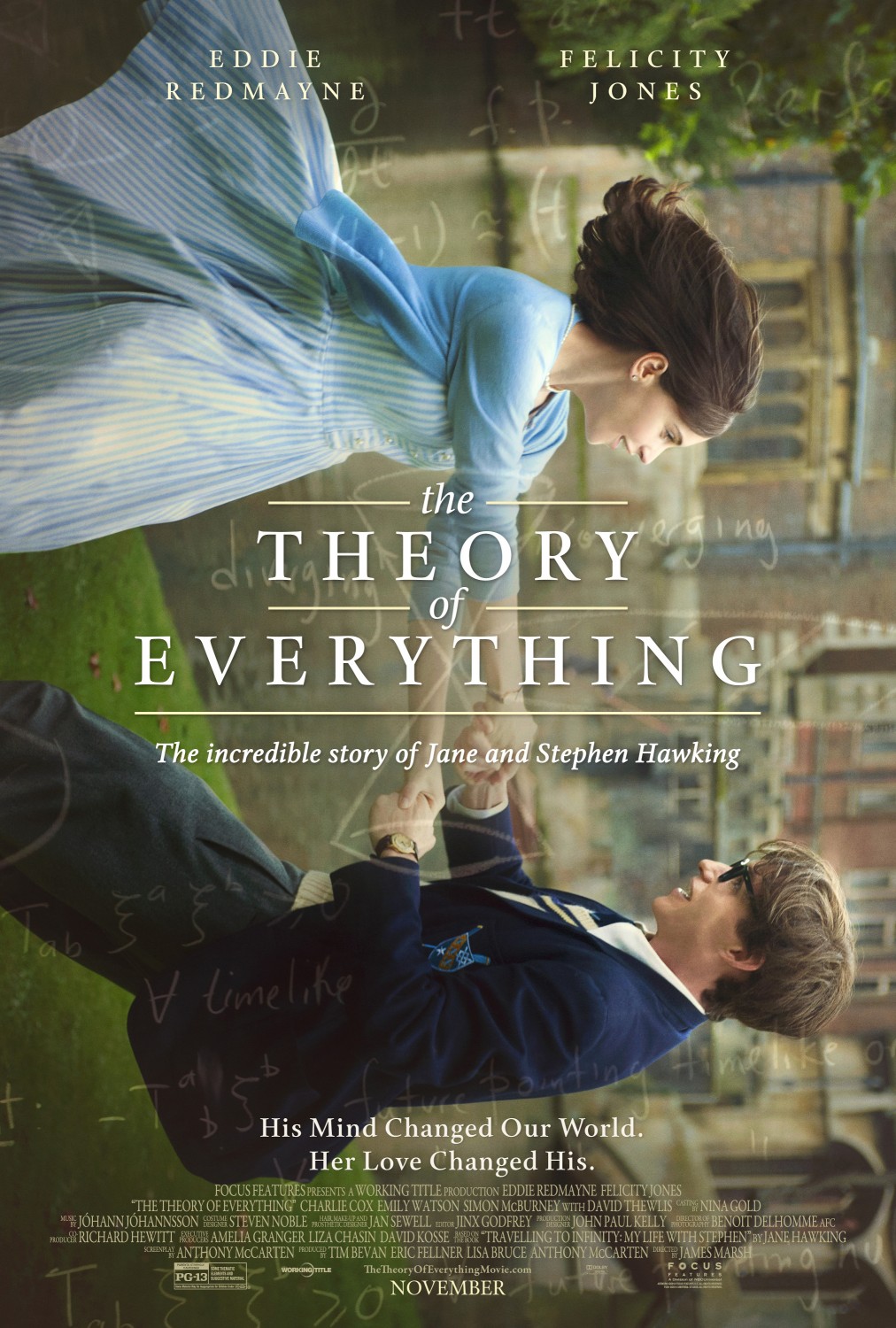
The Theory of Everything (2015)

★★★★

The Theory of Everything PosterDirector: James Marsh

Release Date: November 26th, 2014 (US); January 1st, 2015 (UK)

Genre: Biography; Drama; Romance

Starring: Eddie Redmayne, Felicity Jones

In The Theory of Everything Stephen Hawking (Eddie Redmayne) spends a lifetime trying to figure out the inception of our very existence. For all intents and purposes he succeeds in doing so. Or maybe he doesn’t. Maybe it doesn’t matter. This really depends on your own beliefs. James Marsh’s film ventures down a similar path to that of its central figure as it attempts to fulfil various thematic nodes: love story, tale of human adversity, science exhibition and so on. As these strands weave together to form Stephen’s story they don’t always feel complete. Or maybe they do. Maybe it doesn’t matter. This really depends on your own expectations.

Providing those expectations aren’t bound up by a need to see something totally flawless, The Theory of Everything should cover all bases sufficiently. Most of us are aware of Stephen Hawking; certainly of his illness if not the physicist’s scientific endeavours. The film takes us through Stephen’s adult life, from his first inclinations that something is wrong with his body to the writing of his best-selling book, A Brief History of Time.

But it becomes clear as the picture develops that Marsh’s vision isn’t necessarily weighed down by either disability or science, and instead the director wants to tell the story of a relationship. As such, The Theory of Everything becomes a co-biopic, its emphasis as much on the obvious struggles of Stephen as on the less obvious trials of his long time wife Jane (Felicity Jones). It’s because of this, and because the filmmaker only has two hours to capture a life of enormity, that key elements fall by the wayside. Shortly after Stephen is diagnosed with motor neuron disease — a scene shot so intimately by cinematographer Benoît Delhomme that the devastation is doubled — we learn that he only has two years left to live. Though, in a move that indicates the director’s desire to fit more stuff in, the film nonchalantly evades the two year mark.

It is an unenviable problem to have, one that leaves Stephen’s relationship with Elaine Mason (Maxine Peake) a little underfed, but the (admittedly necessarily) overstretched journey does afford us more than just an insight into the Hawking family. The early interactions between Stephen and Jane are reminiscent of those shared by Celine and Jesse in Richard Linklater’s Before… trilogy; he is quite awkward and she timid, but before long they are strolling around picturesque locales discussing the source of humankind. Both are defined by entirely separate ideologies too, Jane being a believer God and an arts student, Stephen an advocate for method and science. “I have a slight problem with the celestial dictatorship premise,” he says and from then we’re totally drawn into the pair’s capricious relationship.

In a manner of speaking, The Theory of Everything draws its pulpy interior from a clash of science and faith. Yet the film never exploits this duel beyond repair and instead uses it as an underlying catalyst for its central love story. Stephen, despite his adoration for the subject, is increasingly pillaged by science, his health deteriorating by the frame. He even defies the presence of a doctor, much to the chagrin of his wife. On the other hand Jane finds herself silently enraptured by the life she might’ve had as she and her husband spend more and more time with Jonathan Jones (Charlie Cox), a choir conductor whom Jane meets at church. The influence of the couple’s branching schools of thought is slight but entirely profound, a notion particularly felt when Stephen momentarily submits his incessant ignorance of God and then begins to backtrack. “Are you actually going to allow me to have this moment?” Jane asks.

Much of the praise the film have received thus far has been directed towards the performances of both Eddie Redmayne and Felicity Jones, and for good reason. It’s almost a foregone conclusion that in 2015 these actors will deliver excellence on screen, but the level the pair operate at here is truly magnificent. Redmayne does all the hard graft as Stephen, completely embodying the physicist’s eventual symbolic manifestation. It’s a role without a safety net and Redmayne should be commended for his artistic bravery as well as his tremendous portrayal. Jones is every bit as good, her subtlety and finesse perfectly complementing the physicality in Redmayne’s enactment. She’s more than simply a supplement though, Jones accentuating the strength of Jane through her pained-yet-defiant facial range. Supporting work from the likes of Charlie Cox and David Thewlis is also strong, though it is Redmayne and Jones who stand out significantly.

The Theory of Everything is at its best when Eddie Redmayne and Felicity Jones are united, projecting performances that are totally different but equally effective and affecting. The film is delightfully funny too, and not at all bogged down by disconsolation. And hey, if it’s good enough for Stephen Hawking, it’s good enough for me.

The Theory of Everything - Redmayne and Jones

Images credit: IMP Awards, Collider

Images copyright (©): Focus Features, Universal Pictures

Foxcatcher (2015)

★★★★★

Foxcatcher PosterDirector: Bennett Miller

Release Date: January 9th, 2015 (UK)

Genre: Biography; Drama; Sport

Starring: Channing Tatum, Steve Carell, Mark Ruffalo

You could single out any number of attributes and relate them to Bennett Miller’s directorial portfolio, but depth wouldn’t be one. The New Yorker has created four films since 1998 and, at a rate of one film every four or five years, Miller obviously doesn’t take job choices lightly. After a seldom seen documentary feature called The Cruise (1998) and his critically acclaimed biographical drama Capote (2005), Miller tried his hand at exploring the inner workings of American sport on the big screen. Moneyball (2011) was polished and affecting, but never set out to irritate because it was never meant to be that kind of story, just as baseball isn’t that kind of sport.

Foxcatcher, on the other hand, is that kind of story. Whereas Moneyball told a consumable tale that reflected the everyday popularity of baseball, Miller’s latest piece bathes in the sweaty discomfort and disassociation of wrestling. It’s uncensored, but subtly so. It’s damn good too.

Mark Schultz (Channing Tatum) is an amateur wrestler. We first meet him as he somewhat timidly relays semi-encouraging words to a less than half full hall of school children. Perhaps timidness is the wrong adjective. Mark isn’t necessarily a shy person, but his inability to open up is reflected in his distanced demeanour. All he knows is an everyday, basic existence. And amateur wrestling. Tatum excels as the hard-boiled grappler, his physicality more than matched by a powerhouse emotional range that develops alongside the story. He hobbles as you’d imagine a wrestler would, and wears sweatpants and an unforgiving exterior in and out of the gym, unlike the more outgoing Dave.

Dave Schultz (Mark Ruffalo) is Mark’s older brother, the man Mark is filling in for during the opening scene. Dave is also an Olympic champion and, for one reason or another, the more popular brother. Ruffalo brings an awkward charm to the role; we’re instantly drawn to him as he graciously interacts with American wrestling officials, Ruffalo dragging his toes as he shakes hands as if to highlight an inert clumsiness. The siblings train shortly thereafter, and Foxcatcher unleashes its first taste of the brutish sport — as Dave gets the better of Mark the latter lashes out, emphasising Mark’s simmering displeasure towards his overshadowing older brother.

Both men receive the opportunity to head up an all-American wrestling team at Foxcatcher farm, funded by John du Pont (Steve Carell). “Du Pont, a dynasty of wealth and power”, are the words that echo from a History Channel-esque montage about the rich family. Mark accepts, aspiration outweighing alertness, whereas family man Dave rejects. Though the film breeds an air of morbidity from the outset, it really kicks into gear upon the arrival of a terrifying looking du Pont. The three primary actors deliver wholly, but it is Carell’s skin-crawling turn as the internally maniacal financier that’ll stick in the memory and continue to probe long after the final pinfall. Assisted by facial prosthetics more suited to the latest House of Wax horror instalment, Carell maintains false poise that’s ready to burst. He’s devilish and utterly detestable.

Miller’s film teases the inevitability of chaos bred from a relationship between the three men, but refrains from delivering on the fact until the final act. Much of the first hour and a half of Foxcatcher instead focuses on the relationship between du Pont and Mark, a partnership that is clearly on iffy terrain from go. Their first face to face meeting at the farm is one of a catalogue of tension filled moments; du Pont sells his wrestling project to Mark (the multimillionaire wants to foster a gold medal batch of grapplers) under the guise of honour and patriotism. Rob Simonsen and West Dylan Thordson’s score is noticeably absent here as we hang on du Pont’s every word in tandem with Mark.

Although the screenplay relays a number of striking lines — “Horses are stupid. Horses eat and shit, that’s all they do” is a particular stand-out that comes from the mouth of du Pont, breeder of amateur wrestlers — the piece doesn’t necessarily rely on words to succeed. Rather, it’s about tension and ambiguity and the toxic atmosphere burning the three men involved. The overarching moodiness serves a purpose, but it is also a necessity given the real life framework. Foxcatcher resembles David Fincher’s Gone Girl in many ways, though the Gillian Flynn-penned film alleviates tension via brief moments of humour, unlike Foxcatcher. This incessantly serious approach works given the context, and Miller’s tactful management of the potentially tricky sullenness is a true masterclass in pressure-building on screen.

Taking all of the above into consideration, it’s unsurprising that the camera refuses to shy away from raw moments — shots are dynamic when showing matches and totally still otherwise. Greig Fraser’s cinematography effectively positions the audience in amongst any wrestling and as such captures the fleshy warring in full flow. Both Tatum and Ruffalo ought to be commended on their very immersive abilities, and it’s also worth noting the most horrifying celebratory expression in recent memory from Carell after a victory.

The culmination is game of pawn playing, a deliberation of moral values, and of blind understanding. Three men are at the forefront, their rapport with each other and with amateur wrestling challenged. Foxcatcher might only be Bennett Miller’s fourth film in almost 20 years, but it is absolutely his most accomplished.

Foxcatcher - Carell & Tatum

Images credit: IMP Awards, Collider

Images credit (©): Sony Pictures Classics

Birdman (2015)

★★★★★

Birdman PosterDirector: Alejandro González Iñárritu

Release Date: November 14th, 2014 (US); January 1st, 2015 (UK)

Genre: Comedy; Drama

Starring: Michael Keaton, Emma Stone, Edward Norton

What, exactly, has happened to our actors? Michael Keaton obsesses over this moral quandary for the entirety of Alejandro González Iñárritu’s Birdman, challenging each viewer’s own perception in the process. The best films are often those grounded in a sense of intellect, those which hold their audience in high enough regard to pose questions carrying significant weight. Here, it is performance art or, more specifically, the film industry that is placed under a 21st-century-swathed microscope. As the camera stalks an internally raving Keaton, we’re asked to consider the state of the movie business in 2015. Where did it all go wrong? Who is to blame? Don’t worry about causing offence. Iñárritu sure doesn’t.

Keaton plays Riggan Thomson, an ageing actor in pursuit of artistic redemption, a quest that currently finds him at the helm of a Broadway play. Thomson formerly played Birdman, a Batman-esque superhero whose feathered escapades brought the actor more cash than critical admiration. Though the film is set in a theatre, it becomes obvious that Iñárritu’s focus is the changing landscape of cinema. His script is smart, strategically splicing moments of rich humour in amongst an overarching spiel about the industry that’ll tickle those with a keen interest — like us movie dabblers.

Accordingly, Birdman ventures down two separate reels. When it is not exploring the limitations set by corporate culture, the film considers the power relations contained within visual art as it pits artist against critic; though both themes are intrinsically linked. The most prominent issue — uncultured suits designing and enforcing limits — is what bothers Riggan most, for the actor cannot escape his old Birdman character. At various points, Emmanuel Lubezki’s stunning cinematography shows off a Birdman film poster peering over Riggan’s shoulder, a constant reminder of past success. This spectre even manifests audibly as a Christian Bale-toned voice in Riggan’s head, and later physically too, signalled by a deliciously pulpy beat.

For the wannabe theatre star, superheroes are too easy and the superhero genre is a sell-out, both literally and figuratively. Michael Fassbender in X-Men? Jeremy Renner in another Avengers flick? Riggan’s dismay is palpable. As real world Hollywood prepares for a five-year comic book brawl at the cinema, the superhero debate has never been more relevant and is therefore a totally engaging hook. Riggan’s fear that he will never amass to anything more than a spandex-laden pigeon could be the same fear echoing through the minds of those actors currently trapped in the seemingly endless Marvel and DC cinematic universes.

As an audience swept up in the numerous products spawned by these behemoth film companies, the challenge for us becomes one of understanding Riggan’s watery mindset. Creating a critically laudable play is imperative in order for the actor to move on. “It’s important to me… it’s my career,” he says. His daughter, played brilliantly by Emma Stone, sets him straight: “It’s not important, okay?! You’re not important! Get used to it.” As a recovering drug addict Sam is not so hot herself, which makes her the most relatable person on screen. Her words cut deep too, suggesting a very real sense of melancholy for those plagued by the monopolised movie landscape.

That is probably why Riggan hires Mike (Edward Norton) as a last minute cast replacement, despite some reservations. Norton is terrific as the button-pusher who we sort of hate due to his deviousness, yet whose talent is admirable. In one of many excellent quips — the film is dialogue heavy, but Iñárritu and his co-writers never seem to lose textual steam — Mike sums up the dilemma stabbing away at Riggan’s mental stability: “Popularity is the slutty little cousin of prestige.” Keaton’s purveyance of instability is often electrifying and, even if Riggan never reclaims his former limelight, Keaton already has. At various points, both he and Norton must act as actors playing theatrical thespians on stage, which sounds incredibly difficult yet both excel.

Not satisfied with exposing those directly involved, Birdman soon sinks its claws into industry critics. We periodically encounter the power struggle between filmmaker and reviewer, and it becomes clear that as well as sell-out actors, sell-out journalists are in demand too — the Perez Hilton types, asking about the value of facial surgery and pig semen rather than proper actory stuff. The film’s best scene sees one such power-play in action: Riggan and a highly regarded theatre critic (Lindsay Duncan) spit truthful obscenities across the bar, before coming to the conclusion that they both need each other to thrive. It resembles a politically charged Game of Thrones interaction set in King’s Landing, and is as good as one too.

Having written and directed a film that essentially bashes the modern film industry (admittedly, with rationale), Iñárritu’s masterstroke is his use of comedy to diffuse, and somewhat dilute, his overtly critical narrative. In lesser hands, both aforementioned themes could pave way for dourness, for an overbearing attitude fuelled by sanctimony, but the director uses comedy to get around this problem and instead makes it part of the in-joke. Birdman may well be a true reflection of the industry today, but it is still damn funny. Perhaps we are laughing out of disbelief (that’s THREE-ZERO superhero movies on the way), but I’d like to think it is because Birdman is witty, true, bearing meaty roles, and successful. And not a superhero film.

It is worth again mentioning the exceptional work of cinematographer Emmanuel Lubezki. The entire film presents itself as a one-take product and, rather than becoming gimmicky, Lubezki ensures that the method energises the piece without overruling it. Shots are framed with precision and give us the chance to connect thematic dots, such as the journey of the aforementioned Birdman poster — its position on the wall coincides with Riggan’s spiralling thoughts. There is zip and tenacity, and a genuine sense of theatre/film set chaos.

What has happened to our actors, then? Apparently they used to play a superheroes, but then fell out of favour. Now one is back and, alongside his prodding director, Michael Keaton is on top form again. I love superhero films, but this is bloody good too — and I think that is the point.

Birdman - Keaton and Norton

Images credit: IMP Awards, Collider

Images copyright (©): Fox Searchlight Pictures

Gone Girl (2014)

★★★★★

Gone Girl PosterDirector: David Fincher

Release Date: October 2nd, 2014 (UK); October 3rd, 2014 (US)

Genre: Drama; Mystery; Thriller

Starring: Ben Affleck, Rosamund Pike

Somebody encourage Rosamund Pike to clear her schedule for early next year. By many accounts — relative superficiality considered — the awards rounds that take place in January and February can manifest as quite the gruelling undertaking, particularly for those nominated without much hope. I bet the endeavour is worth it though, all the glamming up and invariably rigorous speech preparation, when your name bellows around LA’s Dolby Theatre and that egregious Academy countdown begins.

Should she get there (and she should) Miss Pike will be an Oscar newbie come February 22nd. It’s early, granted, but the performance(s) she delivers in Gone Girl will take some beating. Gillian Flynn’s spotless adaptation of her own novel to screen might also take some beating. Heck, David Fincher may well find himself in another directorial gong joust. Gone Girl is not fun and games, just games. It’s downbeat and harsh and at times painfully glum. It’s intelligent and gripping and oddly satirical. It’s very, very good.

On his fifth wedding anniversary Nick Dunne (Ben Affleck) returns home to find a toppled table and smashed glass all over the floor, but not his wife Amy (Rosamund Pike). Upon subsequently reporting her missing, the bar owner plummets into a media frenzy fuelled by accusation, exoneration and consequence. Exactly what has happened to Amazing Amy?

Fincher refers to his back catalogue for inspiration, a method ultimately met with total vindication. Gone Girl refuses to settle on one genre platform and instead deftly mingles around a number of areas from which the director has previously thrived. The taut tension felt in Panic Room returns with a vengeance in tandem alongside Zodiac’s murky mystery. Much of what unfolds during the two and a half hour runtime does so in a mellow-ish manner; solemn, yet clawing away underneath the surface. We don’t really know what to believe or who to trust and Fincher works hard to emphasise that point. Historical diary entries penned by Amy are interspersed between the present, where husband Nick is battling the elements. Revelations come unstuck and we become part of the evolving saga, our minds constantly mobilising.

The director does this brilliantly, teasing us with character faults that we simply cannot ignore and that resultantly challenge our moral head space when nastiness arises. A coating of mystique, irrespective of its level, remains throughout all three acts — each of which vary in agency. What begins as a simmering thriller re-emerges as a social commentary on cultural norms, before climaxing in a fit of peculiarity and deceit. (Fincher himself has used the term “absurdist” to describe part of the story, and he is obviously spot on).

A lack of narrative jarring ought to be admired too, as each element works cohesively with the one before ensuring that there is no lull in proceedings. Don’t bring a watch, you won’t need to check the time. Perhaps the most interesting train of thought is the film’s exploration of a self-created image; this idea that we generate an idyllic version of ourselves to parade in front of others, when we’re in public. What happens, then, after five years of marriage? Script writer Gillian Flynn has an answer, and you get the sense that her adaptation to the big screen has come at an optimal time — the novel was only released in 2012, therefore the themes remain wholly tangible.

Another of those themes is one that seems to go hand in hand with personal façade: an exploration into the role of media. Specifically, media grossness. We watch the aftermath of Nick’s press conference where he outlines the brief details behind his wife’s disappearance, and the fallout is quite cruel. People become puppets via talk show hosts and public photographs and, to an extent, the film becomes less about finding Amy than it does Nick attempting to revitalise his own tarnished image. Ben Affleck paints Nick as a flounderer to a degree, but still as someone you’d fancy getting along with. The engulfing news storm is a usurping force of nature that strives to internalise the character’s prerogative, so much so that we doubt him relentlessly.

Navigating Rosamund Pike’s role as the eponymous gone girl is akin to traversing a recently laid mine field, and that is to the credit of Fincher and company. The actress is truly marvellous, a sentiment echoed in passing by Tyler Perry’s charismatic fixer Tanner Bolt: “Aww, she is good.” She is. Perry himself is one part of a diverse cast sustained by precision and efficiency, but it is the interaction between Affleck and Pike that engages most. Conversations between the pair relived through Amy’s diary entries are somewhat disoriented by a peculiar, haunting ambience. It is a haze struck up masterfully by the combined efforts of cinematographer Jeff Cronenweth and music men Trent Reznor and Atticus Ross, all three well versed in Fincher lore. Cronenweth’s visual sheen resembles the pristine surface and texture of The Girl with the Dragon Tattoo and, backed up by a disquieting score, relays a melancholic haze.

It’s worth pointing out the satirical infusion brought forth by the film’s final act, at a time when proceedings really begin to marshal around the absurd. Though we spend moments throughout the film tickled by characters’ comical reactions (an early police interrogation, for example) as proceedings start to unravel what might have seemed amusing an hour ago morphs into a manifestation of discomfort. Events on screen are obtusely elevated, of course, but at a base level there lurks a degree of potential reality.

Brought to fruition by a supremely talented cast also including the likes of Neil Patrick Harris and Carrie Coon, and guided magnificently by a director whose work has finally struck an impenetrable balance, is a film not afraid to break the mould; one that defiantly stands beside the courage of its own convictions.

Evidence hardly ever amounts to clarity during Gone Girl, but Gone Girl most certainly is evidence that David Fincher is on the top of his game.

Gone Girl - Affleck

Images credit: IMP Awards, Collider

Images copyright (©): 20th Century Fox

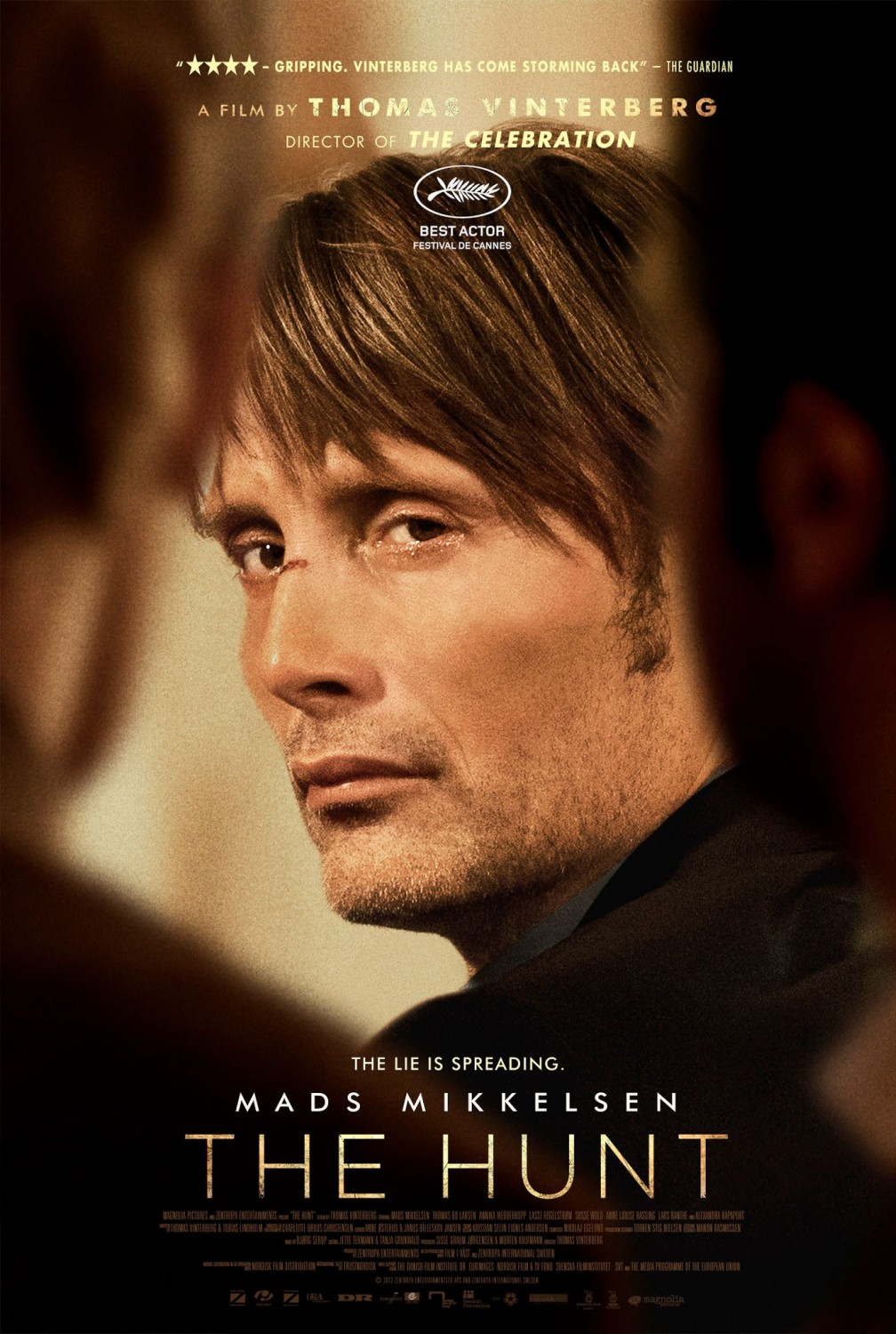
The Hunt (2013)

★★★★★

Director: Thomas Vinterberg

Release Date: November 30th, 2012 (UK); January 10th, 2013 (Denmark)

Genre: Drama

Starring: Mads Mikkelsen

“What’s your favourite dish?”

The question, posed by a young, chirpy girl not long after the opening credits, is a humdrum one. The kind of conversation starter that represents the mundanity of everyday life, or in this case, the imagination of a child yearning to learn more about people, the world and everything. But also a sentence that sets the proceeding tone, run-of-the-mill, at least for 20 minutes or so. The question then, is a devious one. It represents a laid-back, frothy atmosphere that in hindsight turns to chilling and haunting given the almost two hours of harrowing on-screen events that follow. The question, therefore, is brilliant. At least, its connotations are in the long run. The two whose conversation includes said food-related musing are also the two whose actions and reactions determine what is come. The question, above all else, is apt. Because only a daring director can script a meal question and pose it to Mads Mikkelsen. And, apparently, only Thomas Vinterberg possesses the smarts to cheekily have an imagination-driven child ask the question. And only once the lingering shroud of Hannibal-esque clouds are confronted and subsequently expunged, can the narrative truly advance and become one of the year’s toughest and absolute best.

Venison, by the way.

Lucas (Mads Mikkelsen) is a caring fellow; his dedicated work at the local kindergarten secondary only to a day-to-day template constructed by the enthusiastic youngsters, to whom he abides. In the evenings, Lucas spends time endorsing the merriment brought on by the combination of alcohol and a tight-knit community, and at weekends he either crazily plunges into freezing water with his chums, or tactfully hunts with his gun. Normal life. In fact, the only oddity encasing this small Danish community is that it is so friendly. That is, until a fleeting comment escapes the mouth of Klara (Annika Wedderkopp), one of the children Lucas looks after. The words are untrue, generated from the petulant anger of an unassuming child, but they still send shock waves around the neighbourhood. Subsequently, that day-to-day existence Lucas thrives on spirals through an unforgiving rigour. For an ingrained belief can never truly be shaken.

From the get-go, director Thomas Vinterberg sets out to achieve a specific but absolutely necessary tone. Lucas is always the central cog from which we gauge emotion. As daylight seeps from the screen, early interactions are conversational. When darkness falls, raucous beer-fuelled gatherings evoke jolly connotations of Nordic Vikings. There’s a familiar communal atmosphere, enveloping familiar people. Therefore when the agonising allegation is made, by a child no less, the audience has already bought into the realism shrouding proceedings. From then, a simmering tension takes over. Vinterberg does not over-egg or ‘Hollywoodize’ anything; even though detective teachers and informed parents are aware of the situation, they don’t explode in fits of rage or anger. Rather, internal disgust consumes all, allowing the narrative to tentatively build to its anticipated crescendo. Vinterberg’s controlled approach is admirable and ultimately successful; in this sense, the film is very mature and the filmmaking is very accomplished.

Vinterberg also hammers home the accused’s criminal status: at no point during the film is Lucas positioned as guilty. That’s never an issue, not in the eyes of the audience anyway. We know Lucas is innocent, but we also find it difficult to persecute a child for a mistaken phrase. And what right, if any, does anyone have in denouncing the actions of parents and a community trying to protect their own? Lucas himself mightn’t even challenge the paternal instinct, given his own attempts to secure custody of his son. The Hunt ponders this question, and tackles resultant topical societal issues. Important ones. Soon after Klara’s confession (“I don’t believe a child would lie about these things”) disapproving fumes centred on Lucas’ apparent actions spread like wildfire throughout the area, as he becomes the poster-boy of wrongfulness. These reverberations are not only felt by Lucas himself, but also by his son and partner. The teacher’s identity being revealed so soon after the incident essentially scalds an innocent man for life, a notion the film appears to consider unfair.

Bookended by two apparently different but thematically resounding hunting outings, proceedings never really ease up — mirroring probable real life. Towards the climax, a scene involving Lucas and Klara will have you watching through bated breath, and there’s more still thereafter. Speaking of the two primary players in this chess game of moral standing and right or wrong-doing, the actors involved all have something to offer said disturbingly riveting happenings. As Lucas, Mads Mikkelsen delivers arguably a career-best performance; amiable at the beginning, poignantly steadfast throughout his plight and never without dignity which, given his character’s predicament, is an extraordinary achievement from the Dane. Annika Wedderkopp plays Klara and more than holds her own surrounded by many adult peers. She’s a child obviously, thus inherently boasts that endearing quality, but is much better than simply charming. The pair share an unwaveringly realistic dynamic.

Other noteworthy performances emanate from Lasse Fogelstrøm as Lucas’ son Marcus, and Thomas Bo Larsen as Theo, Lucas’ best friend and the father of Klara. Marcus is troubled by the allegations made against his dad, yet determined not to let it get the better of him. One scene, subtle in delivery but upsetting in substance, sees Marcus barred from a supermarket while in the vicinity of a girl he likes. Fogelstrøm is just as meaningful in these moments as he is during his emotional tirade later on. Trust is the issue when it comes to Theo, whose immediate outpouring of anger subdues a lingering instinctive feeling that his best friend is innocent. This concept is highlighted throughout the film, where characters inadvertently advance a lie and ignore a truth in order to find some sort of closure. Larsen is excellent in his role, torn, bewildered and hurt by the goings-on. Alexandra Rapaport plays Nadja, the love interest of Lucas, another victim of events.

The Hunt is an exceptional piece of filmmaking, not afraid to explore tough questions and certainly not unwilling to challenge any subsequent societal issues. Chartered by a magnificent Mads Mikkelsen performance, and crafted meticulously by Thomas Vinterberg, the film doesn’t do much wrong. At times the silence is deafening, and as the nerve-shredding tensions builds, that silence turns to a harrowing closet hysteria.

The hunt indeed.

Oscars 2014 — Final Predictions

Hollywood’s favourite night of the year is once again upon us. Stars have campaigned. Odds have shortened. Dresses have been selected. Cinema trips have come thick and fast. Jared Leto’s hair has been straightened.

And, now that I’ve seen all the nominated films in all the most talked about categories, here are my final predictions for the 86th Academy Awards.

If you want to know a bit more about why I picked what/who, there are a few ponderings towards the end. For my review of each Best Picture nominee, click on the respective title.

Best Picture

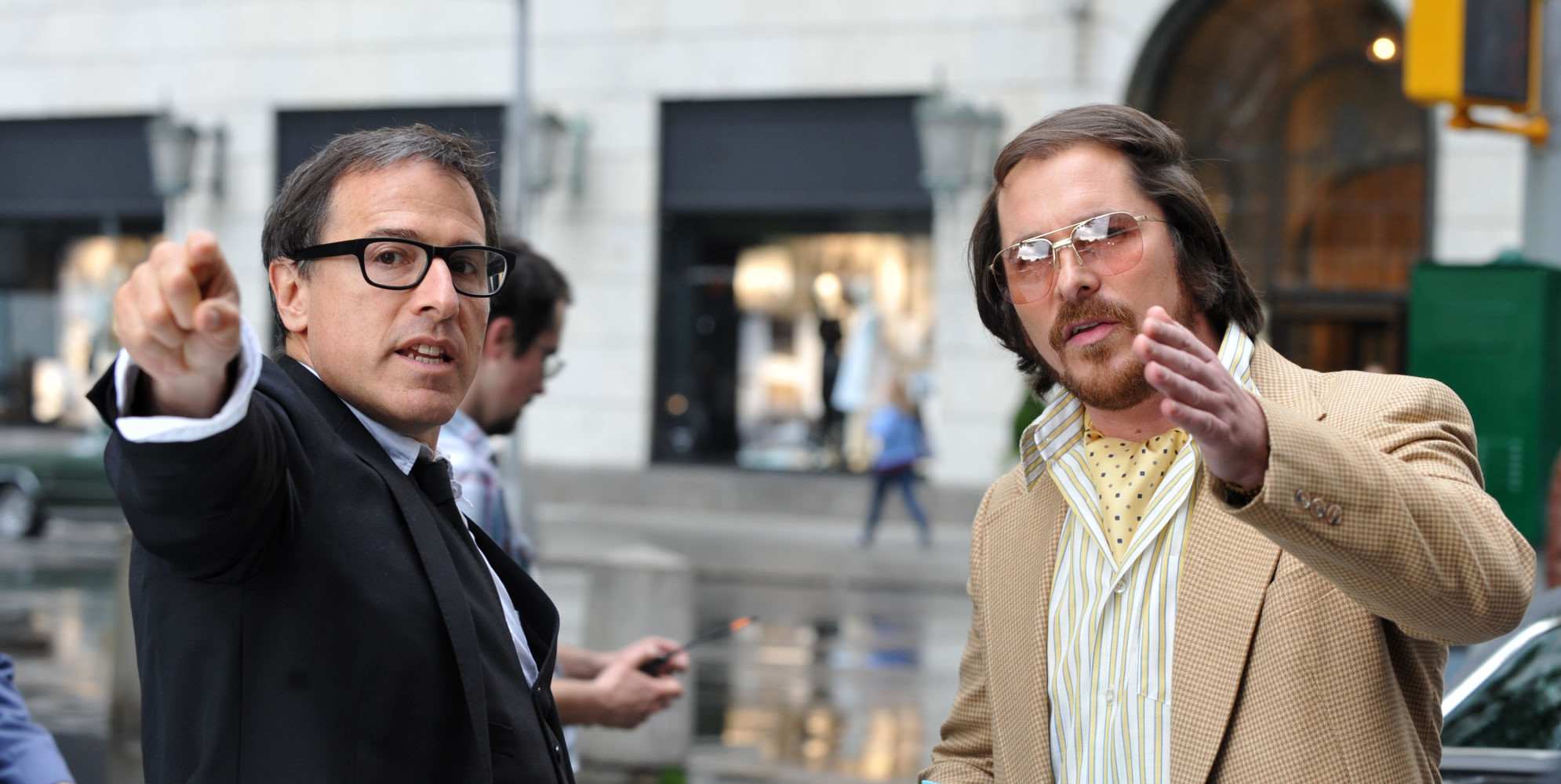
American Hustle

Captain Phillips

Dallas Buyers Club

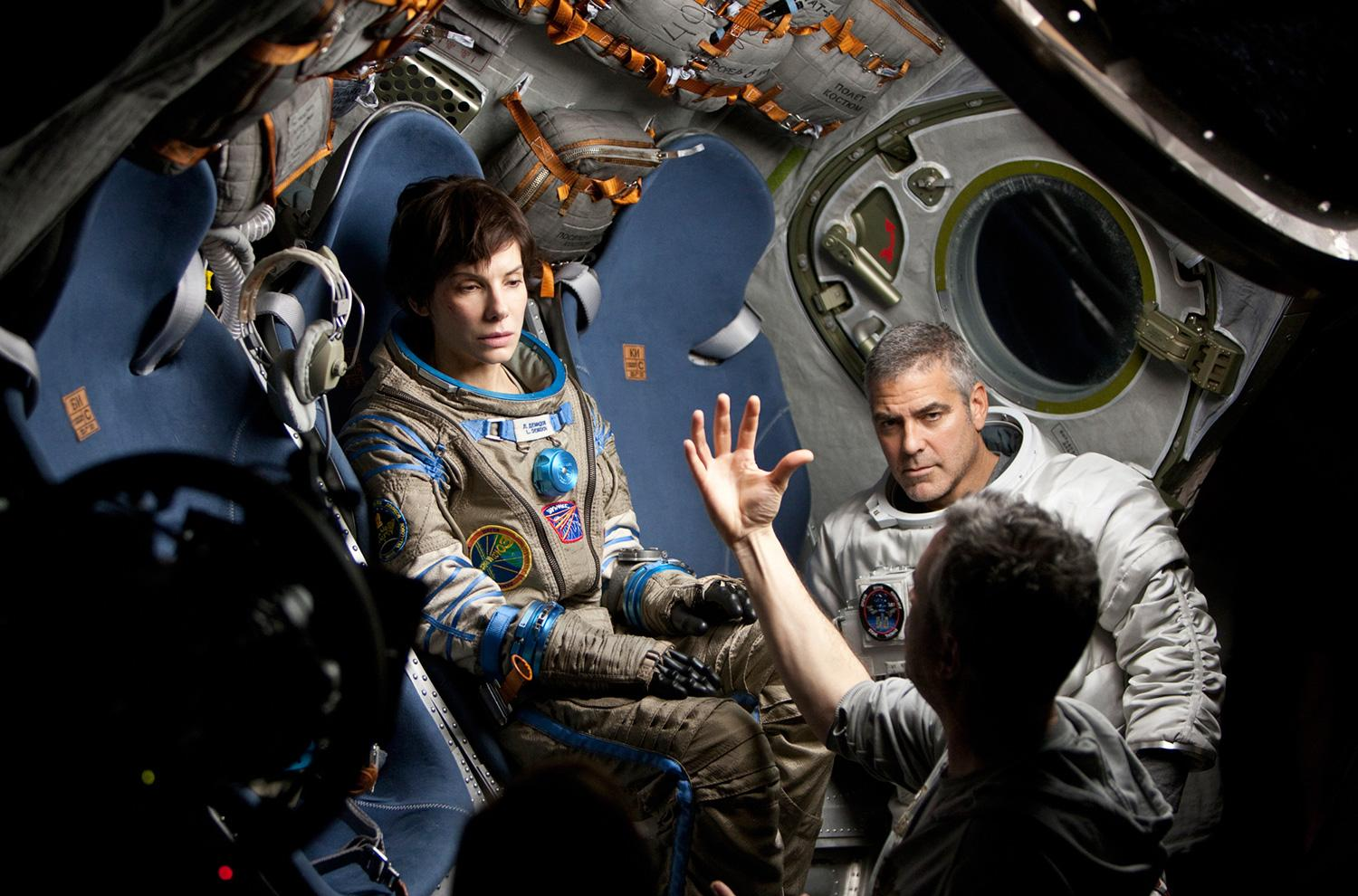
Gravity

Her

Nebraska

Philomena

12 Years a Slave

The Wolf of Wall Street

– What will win: 12 Years a Slave

– What I want to win: 12 Years a Slave

– What should’ve been nominated: Blue is the Warmest Colour

Best Actor

Christian Bale

Bruce Dern

Leonardo DiCaprio

Chiwetel Ejiofor

Matthew McConaughey

– Who will win: Matthew McConaughey

– Who I want to win: Leonardo DiCaprio

– Who should’ve been nominated: Tom Hanks (Captain Phillips)

Best Actress

Amy Adams

Cate Blanchett

Sandra Bullock

Judi Dench

Meryl Streep

– Who will win: Cate Blanchett

– Who I want to win: Cate Blanchett

– Who should’ve been nominatedAdèle Exarchopoulos (Blue is the Warmest Colour)

Best Supporting Actor

Barkhad Abdi

Bradley Cooper

Michael Fassbender

Jonah Hill

Jared Leto

– Who will win: Jared Leto

– Who I want to win: Barkhad Abdi

Who should’ve been nominated: N/A

Best Supporting Actress

Sally Hawkins

Jennifer Lawrence

Lupita Nyong’o

Julia Roberts

June Squibb

– Who will win: Jennifer Lawrence

– Who I want to win: Lupita Nyong’o

Who should’ve been nominated: Scarlett Johansson (Her)

Best Director

David O. Russell

Alfonso Cuarón

Alexander Payne

Steve McQueen

Martin Scorsese

– Who will winAlfonso Cuarón

– Who I want to win: Steve McQueen

Who should’ve been nominated: Joel and Ethan Coen (Inside Llewyn Davis)

Best Original Screenplay

American Hustle

Blue Jasmine

Dallas Buyers Club

Her

Nebraska

– What will win: American Hustle

– What I want to win: American Hustle

– What should’ve been nominated: Inside Llewyn Davis

Best Adapted Screenplay

Before Midnight

Captain Phillips

Philomena

12 Years a Slave

The Wolf of Wall Street

– What will win: 12 Years a Slave

– What I want to win: 12 Years a Slave

What should’ve been nominated: Blue is the Warmest Colour

Best Documentary Feature

The Act of Killing

Cutie and the Boxer

Dirty Wars

The Square

20 Feet From Stardom

– What will win: The Act of Killing

– What I want to win: The Act of Killing

– What should’ve been nominated: Blackfish

Additional Quick-hits

With the exception of a few glaring errors, The Academy has more or less come up trumps this year, at least nominations-wise. Time will tell whether the industry congregation get it right on the night, but until then, let’s take a look at some of the unfortunate snubbees (in a personal snub, I’ve opted not to include my Best Foreign Language picks above as, for whatever reason, i haven’t seen enough of the nominated films).

Inside Llewyn Davis, what is going on? Only up for Best Cinematography and Best Sound Mixing, my personal favourite film of the year has strummed a valiant strum, only to be waived by another Bud Grossman. As unlucky as Llewyn himself (irony eh?) the film should be up for a lot more.

Tom Hanks delivers the performance of a lifetime in the final moments of Captain Phillips, but his name is nowhere to be seen. I’m a fan of Christian Bale, and thought he was really good in American Hustle, but no phony wig can hide the travesty that places his performance ahead of Hanks’. Having said that, old Tom’s already won a couple, so he might not be that bothered.

Another disappointingly shunned near-masterpiece, the folks behind Blue is the Warmest Colour must feel hard done by. Adèle Exarchopoulos’ raw, enchanting portrayal is criminally ignored. The film was ineligible for a Best Foreign Language nomination, but Best Director, Best Supporting Actress and Best Film nods should’ve been calling. It’s almost as if some of those hardened Americana execs don’t fancy reading subtitles…

On to the actual bunch clambering for awards, and it seems Best Actor, Best Actress and Best Supporting Actor are all pretty much sown up. I’d love Leo DiCaprio to finally receive the adulation he deserves in the form of a golden statuette, but McConaughey is the favourite and a worthy winner. Barkhad Abdi surprised at the BAFTAs, but won’t here. Cate Blanchett is the definitive stick on.

Jennifer Lawrence and Lupita Nyong’o have been tussling for Best Supporting Actress throughout this awards season, the former having come out on top more often. Nyong’o delivers the more powerful and wholly better performance, thus should win the gong. Gravity is up for a lot, but outwith the technical categories, might only win Best Director for Alfonso Cuarón.

What then, of the top prize? Best Film. It appears to be a three-way jostle between the important 12 Years a Slave, the glitzy American Hustle, and the floaty Gravity. Apparently, some Academy members find 12 Years a Slave too tough a watch – which is absurd – and Gravity ain’t exactly at its best on a laptop screen (most voters see the films at home), therefore a shock could be on the cards which would see American Hustle hustle its way to the top. I don’t think so. For me, there’s no looking past Steve McQueen’s haunting 12 Years a Slave.

There we have it.

After a fairly lacklustre spring/summer, the arrival of that typical awards scent in late autumn summoned a plethora of very good to great films. From Captain Phillips to The Wolf of Wall Street, and many others in between, we’ve seen a mixture of high intensity drama, awe-inspiring visuals, harrowing story-telling and debaucherous eccentricity. All in all, I reckon it’s been a pretty good year.

Here’s to another!

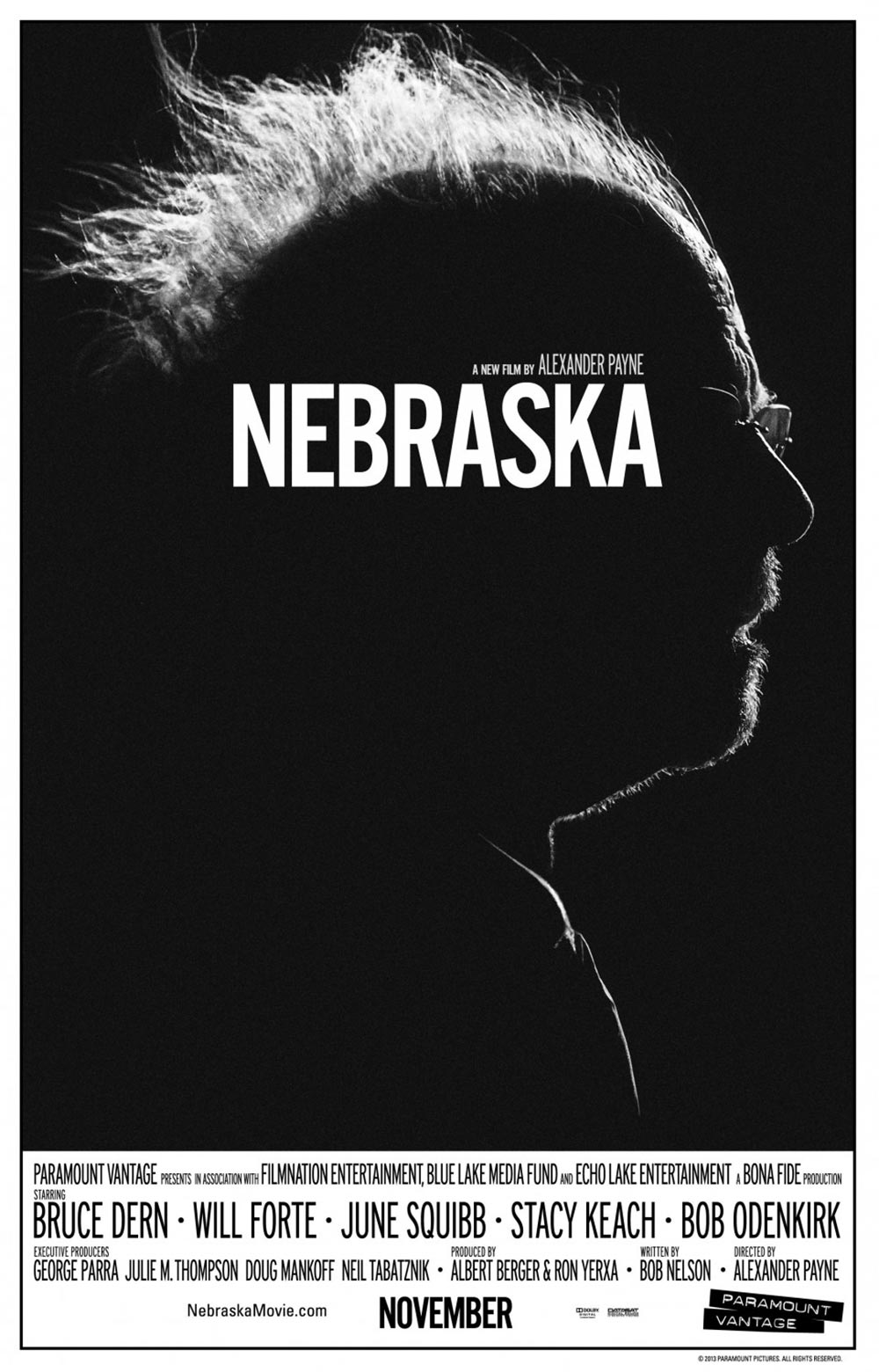
Nebraska (2013)

★★★★

Director: Alexander Payne

Release Date: December 6th, 2013 (UK); January 24th, 2014 (US)

Genre: Adventure; Drama

Starring: Bruce Dern, Will Forte, June Squibb

Alexander Payne truly has a knack for relaying the road story on screen. You need more than an echelon of soul, characters whose individual hearts collectively beat in time with the narrative, and a narrative that quips comically, evolves raucously and affirms genuinely. In Sideways, he created a cinematic Everest, a pinnacle that will require something pretty spectacular to reach. And although Nebraska — Payne’s latest venture into the genre that sees characters finding their way around town before finding themselves — doesn’t quite reach the Sideways summit, it’s still a comforting, humorous and reminiscing ride.

Absolutely dead-cert he’s stumbled upon a one million dollar sweepstakes letter, getting to Lincoln, Nebraska is the first, last and only thing on Woody Grant’s (Bruce Dern) torpedoing mind. If it weren’t for highway patrol, he’d have walked there. His end goal momentarily scuppered by the confines of a police station and a sigh-fully approaching son, Woody mentally prepares a case for action. Because in his eyes, there’s a mound of cash crying out to him at the end of a Nebraskan road. Son David (Will Forte) believes the letter is a scam, and initially denounces Woody’s nonsensical intentions. However, after a number of persistence-driven incidents, David agrees to chauffeur his father towards the elder’s prescribed destination; probably not out of curiosity, rather, in order to spend time with his ageing old man.

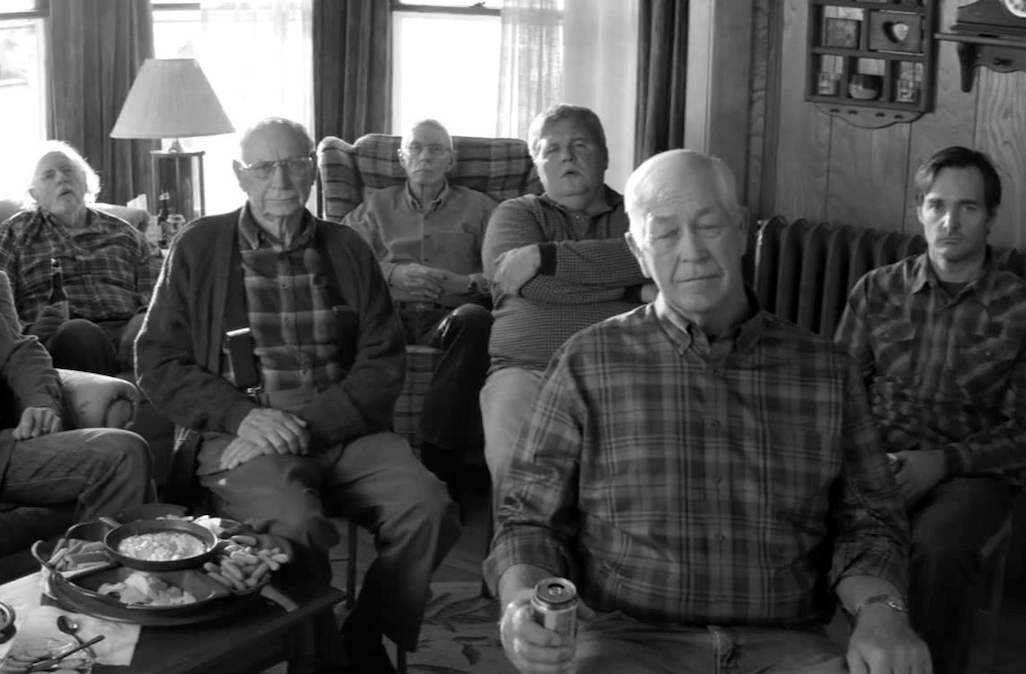
From its elegant cinematography to a perfectly poised story, Nebraska evokes a sense of accomplishment and craftsmanship. Of course, the road-trip mantra will always centre on character study, and it’s no different here. However to not acknowledge the technical prowess on display would be doing the film a disservice. The black-and-white scape works both as a visual appeasement and as a narrative cog, as it represents not only the blunt tone, but also Woody’s depreciating mind and somewhat selfish outlook. In composing a curtain of sound, Mark Orton infuses proceedings with a Wild West twang, harking connotations of the primitive western ‘every man for themselves’ adage. Technically, the film is better than proficient. It is wholly engaging.

Having communicated the industrial superlatives, I ought to focus on the film as a depiction of characters, because without doubt Nebraska is about people and family and relationships. Those, and the subsequent pile of complex baggage associated with such humanistic tendencies. Although Woody isn’t the most amiable chap — his monetary determination prevails above all else — the viewer still sympathises with him to the point where you are subliminally rooting for the lead to walk away with a heap of cash, if only to see him smile. Bruce Dern embodies the retired Woody in all his stout manliness (“I served my country, I paid my taxes”), a portrayal that in many other hands would sway towards generic, yet Dern emits realism. But he’s also frail and his exuberance is quenched before it really gets going, demanding many a refuelling tavern trip.

Will Forte is the caring son David, who stands by his father through thick and thin. Forte must act as a sufficient bumper against all of Woody’s grouchy impulses, a challenging task if there ever was. The duo are essentially a two-man act, strained as a pairing but valiant against any external threat (much like Miles and Jack in Sideways). Enter June Squibb as mother Kate, the experienced firecracker of the family, whose hilarious opening statement sets the tone for her appearance: “You dumb cluck!” The withered status of Kate and Woody’s relationship is prevalent throughout, but it’s a natural abrasion brought on through years of being together, rather than simply a clash of personalities. Squibb impeccably channels her character’s outspoken demeanour into one of protection over Woody.

Bob Nelson’s screenplay is terrific, and Alexander Payne coats an affirming lesson with crude comedy. As father and son settle down at a family gathering alongside a ramshackle troupe of wordless Woodys and ditsy Davids, we watch that familiar social awkwardness at its most humorous. Cousins Cole and Bart insist on mundane car conversations, but at least someone is trying to cover over the cracks of silence. “Cole here did some jail”… maybe silence was the way to go after all. And it’s that tonal take-no-prisoners style that the film thrives on. Yet, there is a dramatic strand running throughout, one that takes its subject matter seriously. Woody is old. His senses are dwindling; he walks along motorways and unwittingly unveils his perceived monetary gain to strangers and enemies. This melancholic exercise on advancing years and losing oneself is relatable — everybody gets old, and many of us have spent time with elderly loved ones. Whilst Woody’s millionaire claims are momentarily amusing, they’re also sad in reflection as we see judgement fail him. At one point, you question Woody’s actual intentions: to chase a false dream, or to live and relive a reminiscent present? For David, the road-trip is a touching venture of discovery about the wholesome life endured by his father, a man you don’t get the impression David knows all that well, despite their familial ties.

Nebraska is another successful excursion for its director. Suitable in its simplicity and subtle in its sensitivity, the film is spearheaded by three admirably relatable performances. At the end of it all, Payne reflects on trust, on bonding, and on seizing the moment. It’s nothing groundbreaking, but it is, to quote Woody himself, “Pretty good”.

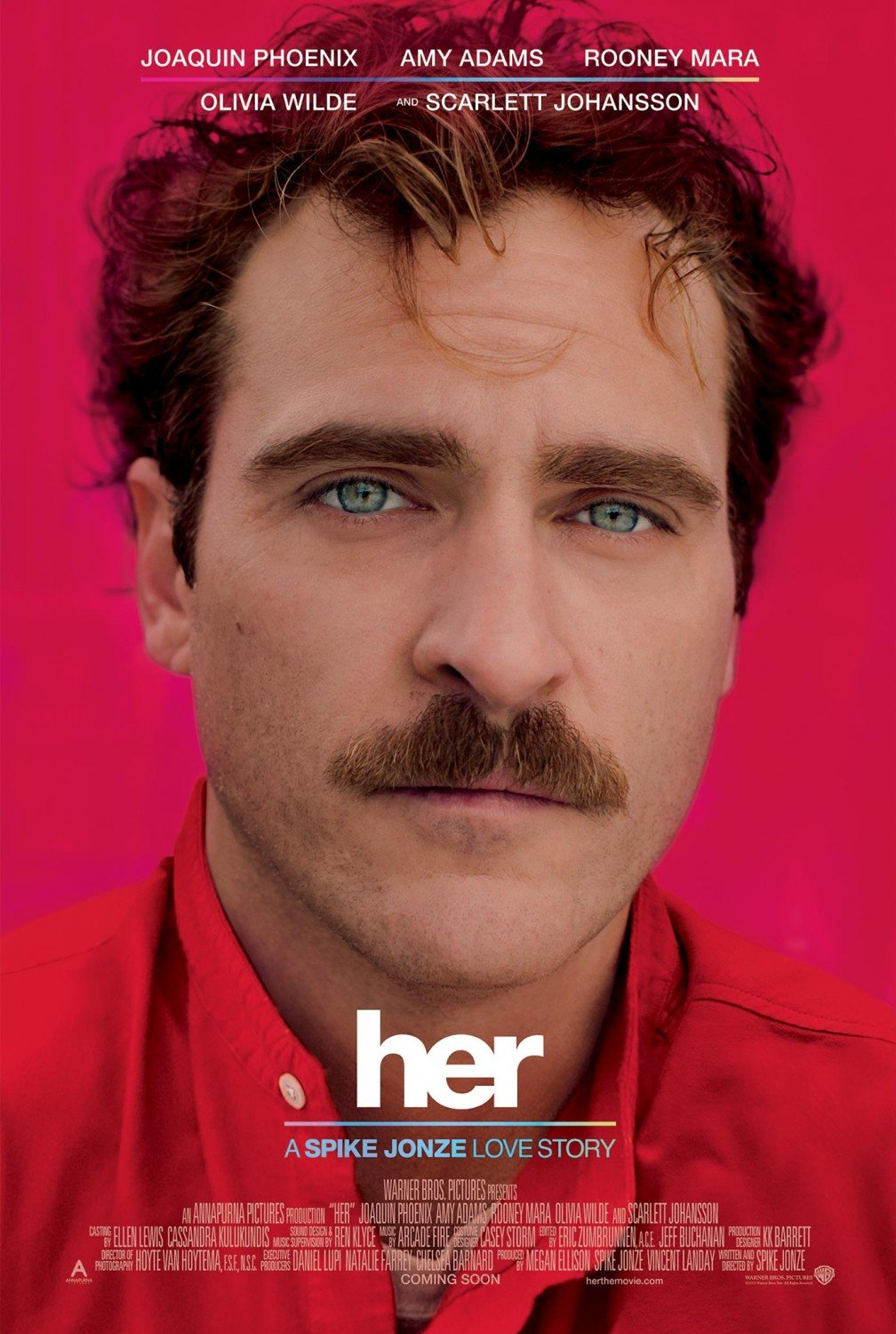
Her (2014)

★★★

Director: Spike Jonze

Release Date: January 10th, 2014 (US); February 14th, 2014 (UK)

Genre: Drama; Romance; Science fiction

Starring: Joaquin Phoenix, Amy Adams, Scarlett Johansson

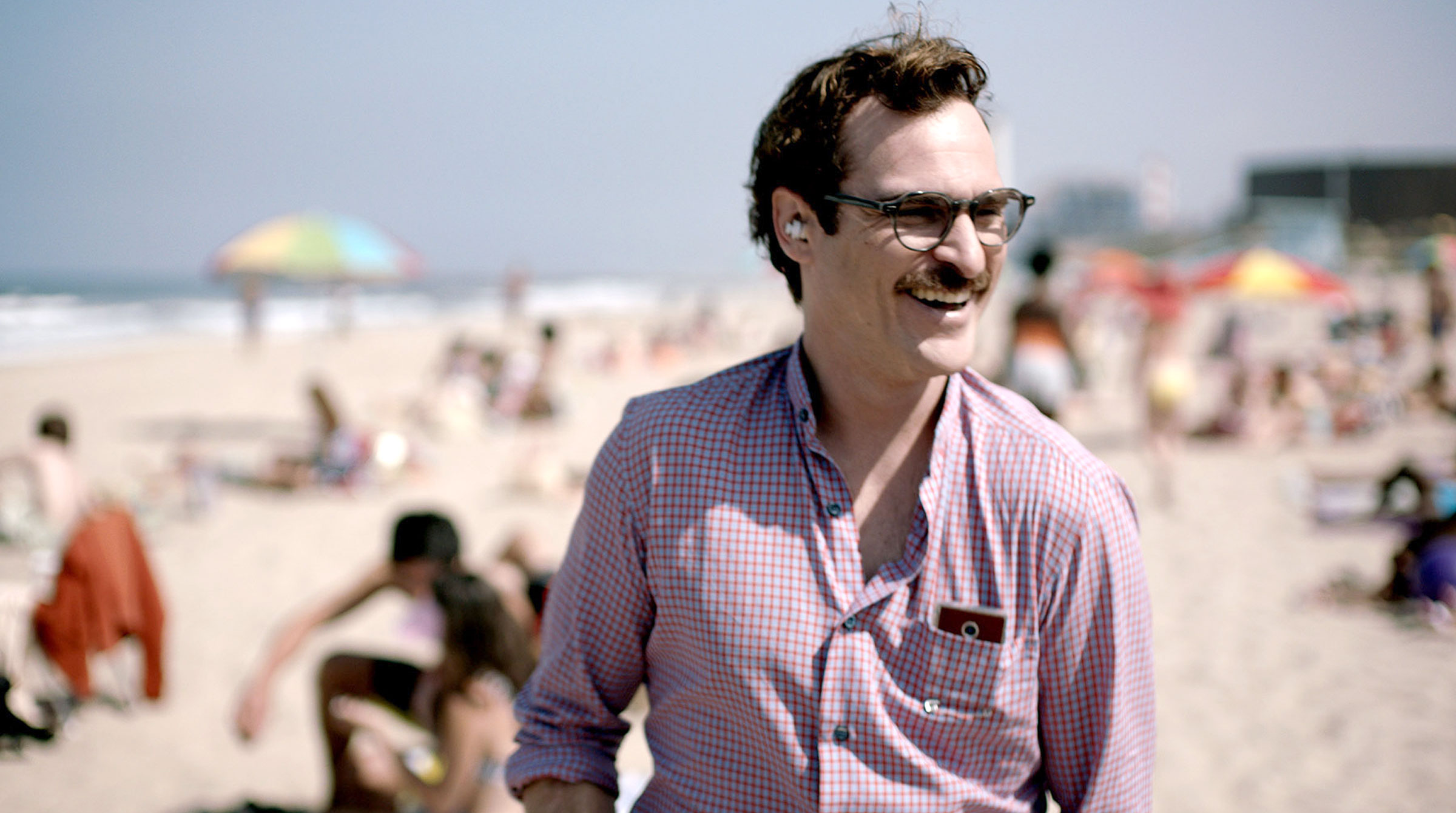
The last time Joaquin Phoenix and Amy Adams acted side-by-side they were components of an enigmatic collective, including the late Philip Seymour Hoffman, in an enigmatic film, The Master. Perhaps Scarlett Johansson’s most well-regarded stint in-front of camera was as part of Lost in Translation, and there are echoes here of that wayward soul in a hasty world mantra. Surprisingly then — given Phoenix, Adams and Johansson’s presence — Her somewhat ambles along uncertainly. Unlike The Master, it never reaches the pinnacle of engrossment, and it doesn’t quite have that admirable ambience of Lost in Translation. There is something delicate and charming though, admittedly often deriving from the performances of our fair trio. Yet aside from its lively textures, there’s a lacking sharpness, a missing clarity. Sometimes it’s all in the name, and the world in which Theodore Twombly exists is all a bit, well, wibbly-twombly.

It’s 2025 and Theodore Twombly (Joaquin Phoenix) splits his time between love letter composition for those unable to elaborate on their feelings, engaging in virtual gaming, and moping about his impending divorce. Given his own stuttering when it comes to expressing emotions, it’s miraculous that Theodore succeeds in his paraphrasing-mediation job. Inward and suitably unnoticeable among the masses of technology consumed beings, Theodore decides to invest in a brand new OS system, shortly thereafter named Samantha (Scarlett Johansson). At first he’s unsure, but still awkwardly encapsulated; by the impossibly sophisticated technology, the presence of something new in his life, and more than anything, Samantha’s sultry voice.

A voice that absolutely entices. Scarlett Johansson delivers a pitch perfect audio performance that rings both affectionate and strong-willed, increasingly growing in knowledge and pseudo-humanity. As viewers, we know of Johansson’s actual beauty and picture her as the OS system exhales airwaves, therefore it is easier to grasp on to her allure and, ultimately, understand why Theodore is becoming more and more infatuated with those wispy tones. Essentially, we see what he hears. On the empirical side of things, Joaquin Phoenix amiably bumbles as the lead. In reality Phoenix has a tough job, considering many of his conversations take place without the presence of another human being, and there’s no central location for him to direct speech towards. In evading this obstacle, Phoenix creates a flailing uncertainty that, even in direct conversation with another body, would probably still have him glancing from ceiling to floor. Theodore’s fidgety, glasses-adjusting unsettled social existence works well, in turn ensuring another successful acting outing for Phoenix.

Aptly, women are the order of the day in Her and another three effectively contribute, only in smaller doses. Olivia Wilde manifests as Theodore’s date, spiky in exterior yet personifying that lack of assurance that runs throughout the film. Soon-to-be ex-wife Catherine is played by Rooney Mara, appearing in a few montages and even fewer real-time scenes. Mara is fine, but doesn’t really see enough light of day to develop character-wise. Amy Adams gets a lot more screen time as Theodore’s childhood friend Amy and, much like her mate, is adoringly awkward. Which raises the first issue – the pair are so alike, seemingly very close and totally get on, so why are they not together? When we meet Theodore he is recently removed from a committed relationship, and Amy’s collapsing love life isn’t far behind. The premise obviously demands that there be an absorbing connection between its characters and their technologies, but the narrative still seems far-fetched in that neither Theodore nor Amy ever raise the issue of a potential relationship between the pair, which considering all the evidence, would be a flourishing escapade. Perhaps Amy’s human-on-human romance exfoliating with negativity subsequently forces Theodore’s mechanical-driven desire.

The insistence, then, on contemplating and evoking a social commentary on how civilisation is becoming enslaved by technology, starts edging towards overbearing status. Constantly, the screen cuts from unfolding events to convey the number of humans seen aimlessly wandering with an electronic voice in one ear. Yet a number of these techno-captives — not all — still convey surprise when Theodore details his rapport with an OS system (“You’re dating your computer?”). The notion is weird for the viewer, of course, but in the context of a future world driven by the machine, Theodore’s budding romance doesn’t really seem all that peculiar. To get around this, writer-director Spike Jonze delves further into the land of philosophical thought, encountering Samantha as she raises her own moral dichotomy. “Are these feelings real, or are they just programming?” she wonders worriedly. Is she even a she? Instead of Her, would Thing be a more suitable title? For a while, this dilemma sort of works as it becomes more about the creation of a new, potentially dominant artificial intelligence, rather than a human-computer relationship. Inevitably though, it wears.

Once Jonze gets past the schmaltz and hit-or-miss musings (“The past is just a story we tell ourselves” — guess I don’t need to return that television I stole yesterday then) and focuses on purely simplicity, Her really hits its stride. When Theodore and Samantha are having banterous, funny conversations, that’s when the film oozes charm and good-natured infectiousness. Moments of energy reign supreme over soliloquies of sad reflection. The film is encased in vibrancy, a future world that somehow gleams with a retro feel, almost as if we’ve returned to the inception of computers rather than their sovereignty. Theodore’s moustache is as welcome as his bright orange shirt and the multicoloured glass windows his office. This glossy texture, coupled with a hypnotic soundtrack not dissimilar to that of Lost in Translation, aids in capturing a setting that you wouldn’t mind spending hours encapsulated in.

Strong performances provide Spike Jonze’s Her with a required dose of oomph, as often the director’s relentless societal ponderings become too much or increasingly repetitive. Having said that, the film is entirely watchable and probably just as rewatchable, given its wonderful cinematography and generous atmosphere. Despite a few significant misgivings, Her is actually pretty good fun.