The Hateful Eight (2016)

★★★★

The Hateful Eight PosterDirector: Quentin Tarantino

Release Date: December 25th, 2015 (US); January 8th, 2016 (UK)

Genre: Comedy; Crime; Drama

Starring: Samuel L. Jackson, Kurt Russell, Jennifer Jason Leigh

Quentin Tarantino’s The Hateful Eight almost feels like a career denouement. Fittingly, its structure loosely resembles that of the director’s inaugural feature, Reservoir Dogs, though experience has clearly softened his haste. One can imagine a young Tarantino, exuberance overriding patience, penning a screenplay too snappy to tempt overstaying its welcome (at less than 100 minutes, it is his shortest film). With over 20 successful years to his name and having perfected his incomparable style — arthouse blockbusters — snappy screenplays no longer have a place in the auteur’s workshop. The Hateful Eight reflects just that, seemingly to the point of no return.

Post-Civil-War tensions are rife in what is essentially a courtroom western. In non-revelatory terms, let’s run through some of the prosecutors (after all, Tarantino’s screenplay does the best descriptive job). John Ruth (Kurt Russell) is pure Americana, the type who gets glossy-eyed reading a letter written by President Abraham Lincoln. He is transporting criminal Daisy Domergue to Red Rock where she will be hanged — Jennifer Jason Leigh, oddly enough, increasingly channels The Breakfast Club’s Allison with each disconcerting grin and her general weirdness. Along the way they meet Major Marquis Warren, practical and thoughtful, played by Samuel L. Jackson.

He hitches a ride after some toing and froing, as does Chris Mannix who the trio find flailing around frantically in the brewing blizzard. Mannix, the prospective Sheriff of Red Rock, is weaselly and the most out-there of the entire bunch. He is played by Walton Goggins, the film’s MVP on the humour front. Tim Roth (Oswaldo Mobray), Michael Madsen (Joe Gage), Bruce Dern (General Sanford Smithers), and Demián Bichir (Bob) are already huddled up in Minnie’s Haberdashery when the travelling troupe arrive seeking shelter from the storm. Turns out the snow would have been a safer bet.

This rabble, though most engaging, are a noxious bunch. They use “during wartime” as a reductive excuse for past misdemeanours when really those misdemeanours were, and are, a way of life. “Justice delivered without dispassion is always in danger of not being justice,” muses Roth’s Mobray with ominous foreboding. Much has been made about the treatment of Domergue, and it’s plain to see why: she gets throttled often and without much in the way of retaliatory action. The characters are almost universally vile, Domergue included; the abuse is not funny nor, crucially, do I think it is meant to be. It didn’t offend me (the N word is again invoked with consistency) but others mightn’t be so kind.

For around an hour and a half, you get the feeling Tarantino and co. are taking the material seriously, so much so that those doing the striking gain a nasty reputation. But when the spaghetti violence takes form later on, that conscientious veneer ceases to exist and gory absurdity reigns supreme. Perhaps justifiably, given the caricature-esque group involved. At this point the violence is played, at least to an extent, for laughs and shock value — although it is worth noting most of the amusing moments arrive via verbiage. Ruth, for instance, intentionally has the worst comeback patter: “My pistol plays a tune… Domergue’s Death March.”

Jackson gets the best of the dialogue and subsequently repays Tarantino’s faith. He delivers a whodunit monologue with such devious joy; you can just about see the actor licking his lips as he succumbs to the satisfying taste of the words rumbling around his mouth. On the topic of audio, Ennio Morricone delivers another resplendent score, thoroughly grandiose and absolutely worthy of the occasion: his return to the genre for the first time since Buddy Goes West (1981). Galloping horses carry a distinctly cinematic sound and Tarantino, a movie lover, knows it. He also knows and cherishes the woody authenticity of film as a shooting medium, making Robert Richardson’s immaculate visual serving a welcome non-surprise.

There are times, and this is true of all Tarantino outings apart from the aforementioned Reservoir Dogs, when you find yourself actively egging conversations towards their conclusion. This is especially applicable in “Chapter One” of The Hateful Eight, when Warren is attempting to nab a seat in Ruth’s convoy. It might be a genuine attempt to flesh out key characters or simply a matter of self-indulgence, or possibly a bit of both. Tarantino writes and writes, and then writes some more, and when you see one of his films you just have to accept that. Because when he gets it right — and let’s face it, he does get it right quite a lot — even Aaron Sorkin must look on with a hint of jealousy.

Having said that, there isn’t much depth beyond the obvious cultural and political divisions (which are so plainly invoked they barely register as thoughtful). The certainty of death manifests via blood-trails in the snow — these rose markings could also represent the importance of evidence on the path to justice, though I might be clutching at straws with that one. Tarantino makes it work, however, by subbing in rich characters and the unrepentant screenplay I have already alluded to. The film exists in an era that demands people declare their backstory upon meeting a stranger and those variably truthful backstories are thoroughly enticing to hear.

A chapter in the film’s second act expertly refreshes proceedings just when you think the film might be turning stagnant and a tad repetitive. “The name of the game is patience.” It is true; patience welcomes more positives than negatives in The Hateful Eight. Quentin Tarantino is the sort of director who would rather swim across an ocean than take a speedboat in order to prove his point. You’ll know by now whether or not you enjoy that sort of storytelling. Regardless, there is something charming about a film that keeps you in the cinema a little longer than necessary — especially if said film has a lot going for it.

The Hateful Eight - Kurt Russell, Jennifer Jason Leigh & Bruce Dern

Images credit: IMP Awards, Collider

Images copyright (©): The Weinstein Company
Creed (2016)

★★★★

Creed PosterDirector: Ryan Coogler

Release Date: November 25th, 2015 (US); January 15th, 2016 (UK)

Genre: Drama; Sport

Starring: Michael B. Jordan, Sylvester Stallone, Tessa Thompson

“Adonis got into a fight today” are some of the first words we hear in Creed, Ryan Coogler’s Rocky revitaliser, and you expect them to be words the film will live by. After all, when we first meet Adonis “Donnie” Johnson, son of heavyweight boxing legend Apollo Creed, he is in a young offender’s institution and suffering from some serious anger issues. Plus it’s a boxing movie, right? Boxers are big brutes, right? Well, wrong on both counts. Creed isn’t a boxing movie, it is a movie about companionship and love and legacy, and Donnie certainly ain’t a big brute, but rather a fairly normal guy whose lineage and hard-working attitude have afforded him abnormal talent.

The next time we see him fighting is 17 years later in a seedy, smoky Mexican club and he wins, though a terrific edit cuts the celebrations short by sending us back over to the US and into a corporate meeting. Unlike Rocky, this is not a rags to riches story (eventual opponent “Pretty” Ricky Conlan (Tony Bellew) makes that clear at a press conference later on). Donnie is intellectually sound and he lives in a plush home having been adopted by his father’s widow, Mary Anne Creed (Phylicia Rashad). There is a non-boxing path paved out for him should he want to take it.

But Donnie has a problem coming to terms with Apollo’s legacy. He doesn’t want the plush house paid for — at least in part — by the father who he feels abandoned him, yet Donnie admires Apollo’s talent and he absolutely wants a shot at the sport that conquered his father. Unfortunately, nobody in Los Angeles will train him; Donnie won’t use his dad’s name therefore trainers simply see him as an erratic wannabe. So the bum does what any boxer worth their gloves would do: shut up shop, move to Philadelphia, and seek out the man who went 15 official rounds with Apollo Creed (twice) and won (twice, really).

“You are your father’s son,” says a defeated Mary Anne. And he is as far as determination goes. But Donnie doesn’t want to be; he is haunted by Apollo’s lingering shadow — quite literally too, as posters paint the walls of just about every gym he visits. There is an odd attempt to challenge the media’s obsession with legacy-tarnishing celebrities that feels too abrupt to have any impact, but otherwise Coogler and Aaron Covington’s screenplay is excellent, only briefly tapping into nostalgia when it is unavoidable.

This gives the cast a clear platform to carve their own creations, especially Michael B. Jordan who might as well work with Coogler for the rest of time if the duo are always going to be this good together. He has a ton of charisma, not the loud or arrogant type, but the natural sort that convinces audiences to invest their emotion. The relationship between Donnie and Rocky is central to the film’s triumph and it beats with such a genuine heart — a handful of their interactions bear so much nuance and truth that your lip might threaten to quiver.

Rocky thinks his understudy is a “better” man than he because the well-educated Donnie knows a bit about stuff, but the Italian Stallion knows a bit more about trouncing the odds. At one point the pair are offered a potentially tricky fight and Donnie instantly approves, his mind already focused on weight loss. But Rocky knows the offer might have come too soon for an inexperienced Donnie and, more importantly, he knows it isn’t about cutting weight. It is about the fight game and playing said game with a healthy balance of honour and smarts.

Stallone is Rocky, but Rocky is older. His irrepressible yammering has quietened in light of Adrian’s passing and his retirement, yet you get the sense there is a part of him still stuck in the 70s (an iCloud gag just about authenticates that). Likewise, Maryse Alberti captures Philly essentially as it was in the original Rocky. Wearing its best wintry coat, Eagles-town revs up for another bout of fight preparation: icy breath; long-distance jogging; chicken chases; grey tracksuits and woolly hats. It’s all there. Meanwhile Rocky, eyes still pointing out mistakes and mind still working out tactics, is a tired sight physically.

Another integral relationship is the romantic one between Donnie and fellow apartment dweller Bianca (Tessa Thompson). The nature of the franchise beast suggests comparison is an inevitability and while Donnie and Bianca’s companionship is not as charmingly spontaneous as Rocky and Adrian’s, it really is quite lovely. This time she is the outgoing one and he is more reserved, traits reflected in conversations between the two: whereas Donnie’s trepidation is based on a self-created manifestation of doubt, Bianca, living with progressive hearing loss, has something concrete to fear. So she sings for a living, and he should box without inhibition.

Southpaw, despite its creaky storytelling, got the in-ring sequences spot on and Creed is similarly successful. The casting of actual heavyweight fighters — Tony Bellew is a world title challenger and Andre Ward, playing another knockout artist, is a world champion — affords the fight scenes proper pedigree, especially when someone like Bellew is placed in a familiar HBO environment. The actual boxing isn’t gung ho which also funds the realistic aesthetic and the training montages are as good as any in recent memory; buoyed on by another exhilarating score, they have oomph and momentum.

You can practically see the weight on Stallone’s ageing shoulders as he juggles Rocky’s search for another shot at glory and his uncertainty over how to handle Donnie. It is an uncertainty born out of caring too much. And we buy it, unconditionally. Donnie is the boxing son Rocky never had, the son of his fiercest foe and fondest friend, the son who has re-awoken the fight in cinema’s greatest ever fighter.

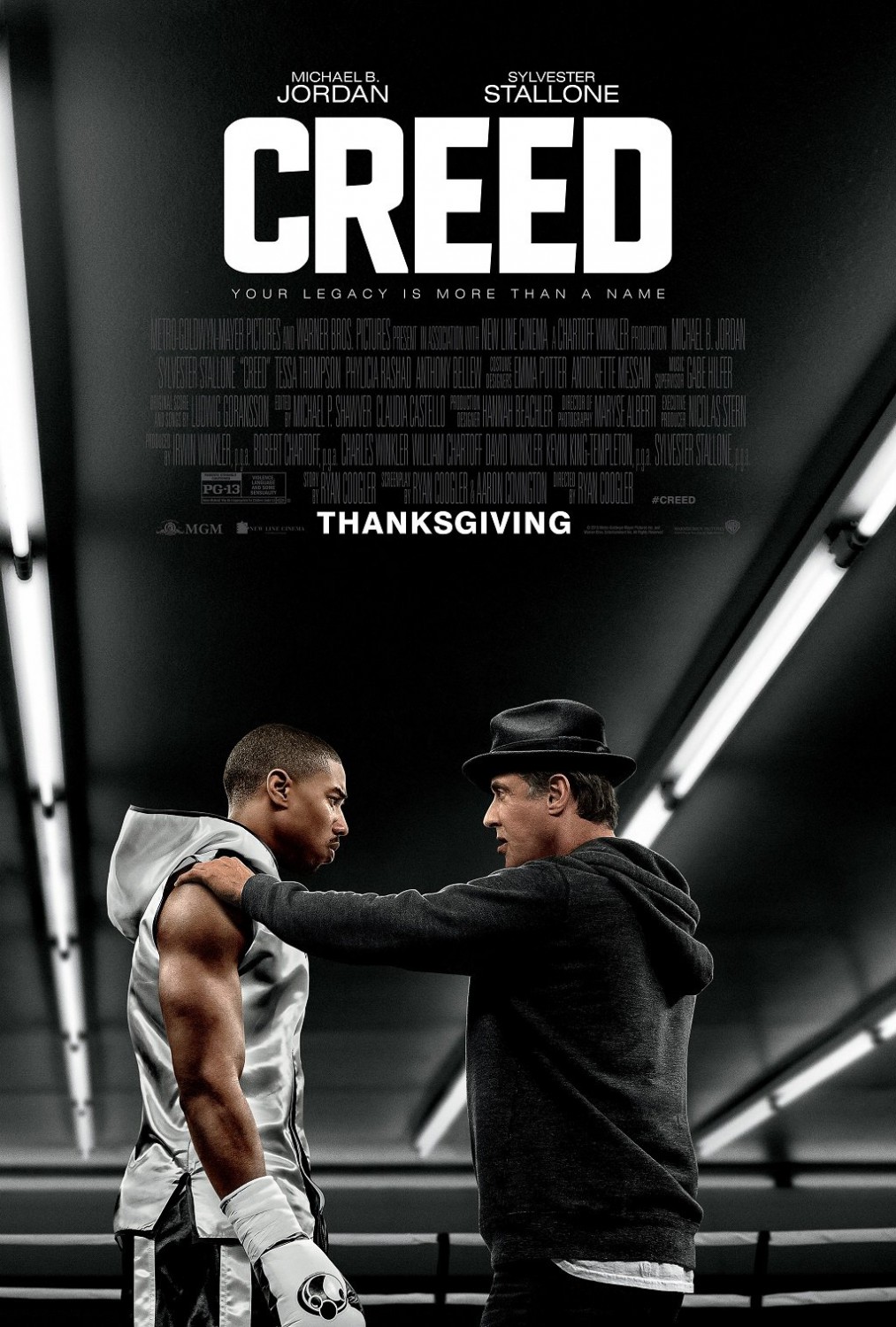
Creed - Sylvester Stallone & Michael B. Jordan

Images credit: IMP Awards, Collider

Images copyright (©): Metro-Goldwyn-Mayer, Warner Bros. Pictures

The Danish Girl (2016)

★★★

The Danish Girl PosterDirector: Tom Hooper

Release Date: December 25th, 2015 (US); January 1st, 2016 (UK)

Genre: Biography; Drama; Romance

Starring: Eddie Redmayne, Alicia Vikander

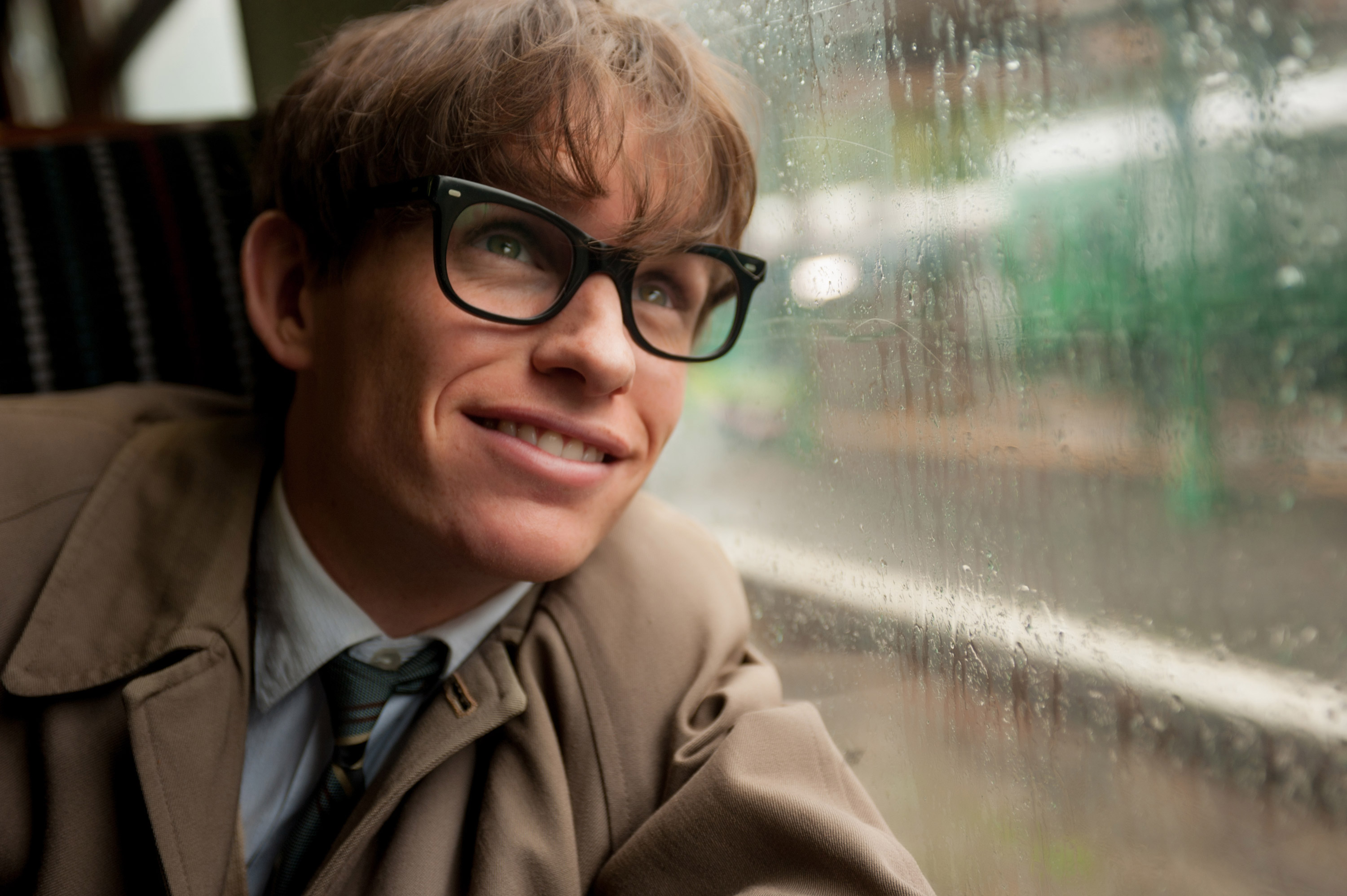
Just like last year, Eddie Redmayne is spending his January up on cinema screens across the UK in a film about strong relationships and physical change. The Theory of Everything thrived upon its stars’ chemistry — Redmayne and Felicity Jones perfectly complemented each other as Mr. and Mrs. Hawking — and it is true that much of what is great about The Danish Girl revolves around its central pairing. Unfortunately, the film undercuts the dramatic potential of its subject matter (reality-based pioneering gender reassignment surgery). It shouldn’t be standard fare, but it is.

Redmayne plays Einar Wegener, an artist who dresses up as a woman at the behest of his wife, Gerda (Alicia Vikander), and feels whole upon doing so. Einar evolves into Lili, first mentally and then physically, though Redmayne’s vulnerability remains steadily palpable throughout. The problem isn’t the actor; it won’t come as a surprise for you to learn he is good. Rather, it is the syrupy circus that surrounds him — those feather-light piano melodies that are enforced without any sort of careful restraint, and a screenplay absolutely swamped in fluffy dialogue (“My life, my wife”).

There is heartfelt delicacy, which is clearly what screenwriter Lucinda Coxon is going for, and then there is off-putting sentimentality, which is what she ends up with. Despite this, the film manages to celebrate two different kinds of femininity. Redmayne plays Lili with a soft evasiveness undoubtedly born out of her repressed identity. Gerda, on the other hand, appears battle-hardened, initially parading a boldness and then later genuine strength in the face of life-changing revelations. You have to believe in their relationship and its robustness in order to believe in the film on a very basic level, and you do because Redmayne and particularly Vikander sell their characters’ love authentically.

As Lili’s desire for personal correction ripens, the nuances of the two central roles are reversed and the narrative focus flips (at least it did for me). The Danish Girl starts to explore those hardships encountered by its other Danish girl, Gerda. Lili’s physical and mental anguish is plain to see and at times tough to consume, but we also must remember the major impact her situation is having on Gerda’s life too. Vikander takes us on an emotional roller coaster: pained, confused, sorrowful, empathetic. We watch just as she does, and we feel because she feels.

Like in Mr. Turner, art is used as a mode for exploration. That is until the film forgets about the art, which in and of itself isn’t a bad thing. Securing one’s true lifestyle is far more important after all, but we do spend a fair chunk of time in plush museums and at fancy gatherings and around interesting paintings for the piece to avoid that stuff thereafter (the movie’s funniest moment transpires from Gerda painting a particularly uptight gentleman). To be fair, this move away from art is consistent with Lili’s mindset — she decides not continue her career upon finding her real self — though a visit to the easel every now and again would have been welcome for story continuity: how are the duo making enough money for travel and healthcare if only one of them is working?

Tom Hooper and cinematographer Danny Cohen borrow from, of all people, Wes Anderson’s portfolio, at one point whimsically depicting a street of yellow bungalows side-on. It is a great shot, a single quirky page out of an otherwise standard picture book. Lili and Gerda’s house looks a bit like a charcoal painting, with shades of blue and grey adding little colour to the wooden floorboards and cracked walls — like the opening hour of The Hobbit: An Unexpected Journey, of all films, it feels as though we are watching people interact on a carefully constructed set.

Todd Haynes’ Carol took on the social imbalance of 1950s New York and The Danish Girl similarly reflects a time when ‘to be different’ meant ‘to be insane’. We never really get into the nitty gritty of that though; the piece does seem to want to delve further into how Lili is affected by society’s petulance, opting to show an unprovoked attack and a couple of doctors’ misinformed diagnoses, though that is as far as it goes. Upon learning about a surgeon who might be willing to help Lili from one of Gerda’s clients (Amber Heard), any lingering backlash becomes non-existent.

Vikander aside, subtlety rarely features. Perhaps the subject matter requires as much, but an overly mushy screenplay lands the outing in cold water. The script also fails to carry the level of propulsion necessary to maintain two genuinely compelling hours. We enter more interesting territory when the spotlight is shone on Gerda and her struggles — a point at which Lili’s post-breakthrough self-obsession is admirably acknowledged (“Not everything is about you”) — but it isn’t really enough. Matthias Schoenaerts and Ben Wishaw freshen things up occasionally, though their roles do not carry any weight in the grand scheme of things.

I referred to a particularly amusing portrait painting scene earlier as a lone funny moment, but there is another unintentionally humorous façade: Lili (at this point still Einar) dresses up as a woman and attends an artist’s ball with Gerda. It’s like something out of a Superman comic: apart from a few close friends, nobody recognises the apparently popular landscape artist despite the astounding resemblance. Perhaps that is The Danish Girl in a nutshell: all too obvious and oddly difficult to comprehend.

The Danish Girl - Eddie Redmayne & Alicia Vikander

Images credit: IMP Awards, Collider

Images copyright (©): Focus Features, Universal Pictures

Joy (2016)

★★★★

Joy PosterDirector: David O. Russell

Release Date: December 25th, 2015 (US); January 1st, 2016 (UK)

Genre: Comedy; Drama

Starring: Jennifer Lawrence, Bradley Cooper, Robert De Niro, Édgar Ramírez

Hey, look. Another film starring Jennifer Lawrence and another star turn from Jennifer Lawrence. The can-do-no-wrong actor is back alongside Bradley Cooper and Robert De Niro in Joy, all three under the familiar guidance of director David O. Russell. This is better than their last collaboration, American Hustle, solely because it pits Lawrence in the driver’s seat. It’s not better written, nor better shot. It is simply better shepherded by its central player, whose is clearly one of the best performers cinema currently has to offer.

She plays Joy Mangano, a multifaceted individual struggling to keep her domestic life on the straight and narrow. Her grandmother Mimi (Diane Lane) narrates in parts, telling us about Joy’s childhood and what the youngster had before divorce sent things by the wayside: family, pets, love, a non-idealistic attitude (“I don’t need a prince”). Now a grown women, Joy still doesn’t need a prince nor is she an idealist, but the inventor could do with a degree of leeway in terms of luck.

Mum Terri (Virginia Madsen) is obsessed with television, unwilling to interrupt her bed-based viewing for anything apart from the bare essentials. Like the lone passive smoker living in a cigarette guzzling household, you can see the obsession rubbing off on Joy. In Terri, O. Russell seems to be highlighting our inherent desire to live vicariously through others, and why this can be both good and bad (which is rich coming from a movie). We learn early on that Terri’s TV-induced laziness -cum-ineptitude meant she failed to get her daughter a patent for a potentially profit spinning invention years back.

See, Joy is an inventor. At least she should be. Unfortunately, her house has taken the form of a hotel for relatives. Whenever she visits her father’s (Robert De Niro) vehicle repair shop, the ideas woman walks past men taking aim at empty glass bottles. It’s as if her dreams and aspirations are shot to pieces every time she spends time with her family: Joy does the washing; Joy does the plumbing; Joy does the bedtime reading; Joy does the cooking. Joy even has to mediate verbal jousts between dad and ex-husband, Tony (Édgar Ramírez). Home life is a mess.

And yet there isn’t that same underlying darkness present in O. Russell’s latest offering that was there in, say, The Fighter. This threatens to leave the story hanging, particularly during the opening hour when the family shenanigans bear a fun streak despite boasting life-halting ramifications — heck, Joy and Tony are “the best divorced couple in America”. Lawrence does wear exhaustion well though, allowing only brief bursts of spark to shine through. It is obvious that Joy is the level-headed one, admirably unshowy despite having the intuitive capacity to back up any arrogance. The rest of them are oddballs.

De Niro’s recent filmography doesn’t exactly reflect his irresistible earlier stuff, but he does work well alongside present company. The veteran is as good here as he has been in a while, snarky and showing pinpoint comedic timing. Tony grates a little, especially when we see him in his basement setting without any character depth towards the start, but he fares better as the film advances. He is a singer and, like Joy, the screenplay wants to protect him — O. Russell has penned a celebration of creativity after all.

The film trundles along appealingly, though without too much in the way of bite or real depth. That changes in the second act, when the Miracle Mop takes shape and sales pitches are invoked. Cooper turns up as a distanced TV exec with more business acumen than generosity. Energy levels heighten as he shows Joy around the QVC studio. The piece comes to life and starts to really feel like a David O. Russell production: Melissa Rivers barters before our eyes as her late mother (uncannily by the way); words suddenly have urgency; a western twang sounds out; the camera swoops left and right as ringing telephones carry the frantic calls of seduced customers.

Real life Mangano has the spotlight but the film is really an amalgamation of many exceptional tales (“Inspired by true stories of daring women” are the first worlds we see on-screen), and as such you sometimes get the sense our central character is too good to be true — when she needs Miracle Mop personnel, Joy hires a bunch of female immigrants and turns her father’s male workplace into a sort of gender-balanced haven. Lawrence absolutely makes it work though: like her character’s family, the camera relentlessly pesters the actor, worried it might miss a moment of her brilliance.

Linus Sandgren’s cinematography is crisp but the film does parade an idiosyncrasy in the way it is structured. We get flashbacks that serve to fill some life gaps, but then there are these silly dream sequences dressed up as episodes of a melodramatic soap opera. They feel more suited to American Hustle than Silver Linings Playbook, and given Joy falls tonally on the side of the latter, the sequences don’t really mesh well with the surrounding drama and are ultimately superfluous.

Like American Hustle, it is a film that ages well; certainly, there were moments that had me feeling a bit blasé about the whole thing, but then it won me over and continued to do so even hours after the credits had rolled. Sure you can telegraph certain plot points, but you aren’t really paying for plot: you’re paying for Joy and Jen. The movie is about a functional mop. Isabella Rossellini appears as a bonkers love interest. There is a hotel room standoff involving a guy wearing a cowboy hat for goodness’ sake. What’s not to like?

Joy - Jennifer Lawrence

Images credit: IMP Awards, Collider

Images copyright: 20th Century Fox

Top 10 Performances of 2015 — Actress

Having already construed a list of the best male performances (which you can read here), as I agonise over who to include in my female selection I think it is fair to say 2015 was the year of the actress. Sure, the guys were great, but the depth of superb performances from the women of film was quite astonishing.

And that depth incorporated numerous genres too, from summer blockbusters to low-key dramas. It’s clear that Hollywood still has a significant way to go in terms of achieving true diversity behind the camera as well as in front of it, but until then at least those who have been given an opportunity are waving that equality flag by way of their respective bodies of work.

It will be the same format as before: five leading performances and five supporting performances. As always, this list is based on UK release dates.

Leading Roles

5. Marion Cotillard — Macbeth

Forgive my lack of knowledge on Shakespeare’s famous play; there is a scene towards of the end of Justin Kurzel’s visceral silver screen adaptation that pits Marion Cotillard front and centre, the camera unwilling to manoeuvre too far from her sorrowful face as the actress hauntingly laments the preceding brutality that her character helped concoct. By many accounts, Lady Macbeth’s role in proceedings is not as prominent as it ought to be, but that scene is the stand out moment and Cotillard, arguably, the stand out performer.

Macbeth - Cotillard & Fassbender

4. Rooney Mara — Carol

It is fairly common knowledge on the awards circuit that Rooney Mara — backed by Harvey Weinstein — has been campaigning as a supporting actress, but those who have seen Carol will know her role in the film is a leading one. She spends as much time on-screen as her classy counterpart Cate Blanchett who, for my money, Mara actually outshines. Therese, young and therefore still unravelling her place in 1950s New York, is the more relatable of the two and Mara plays the shop assistant with such generosity and innocence it is practically impossible not to get wrapped up in her story.

Carol - Rooney Mara

3. Emily Blunt — Sicario

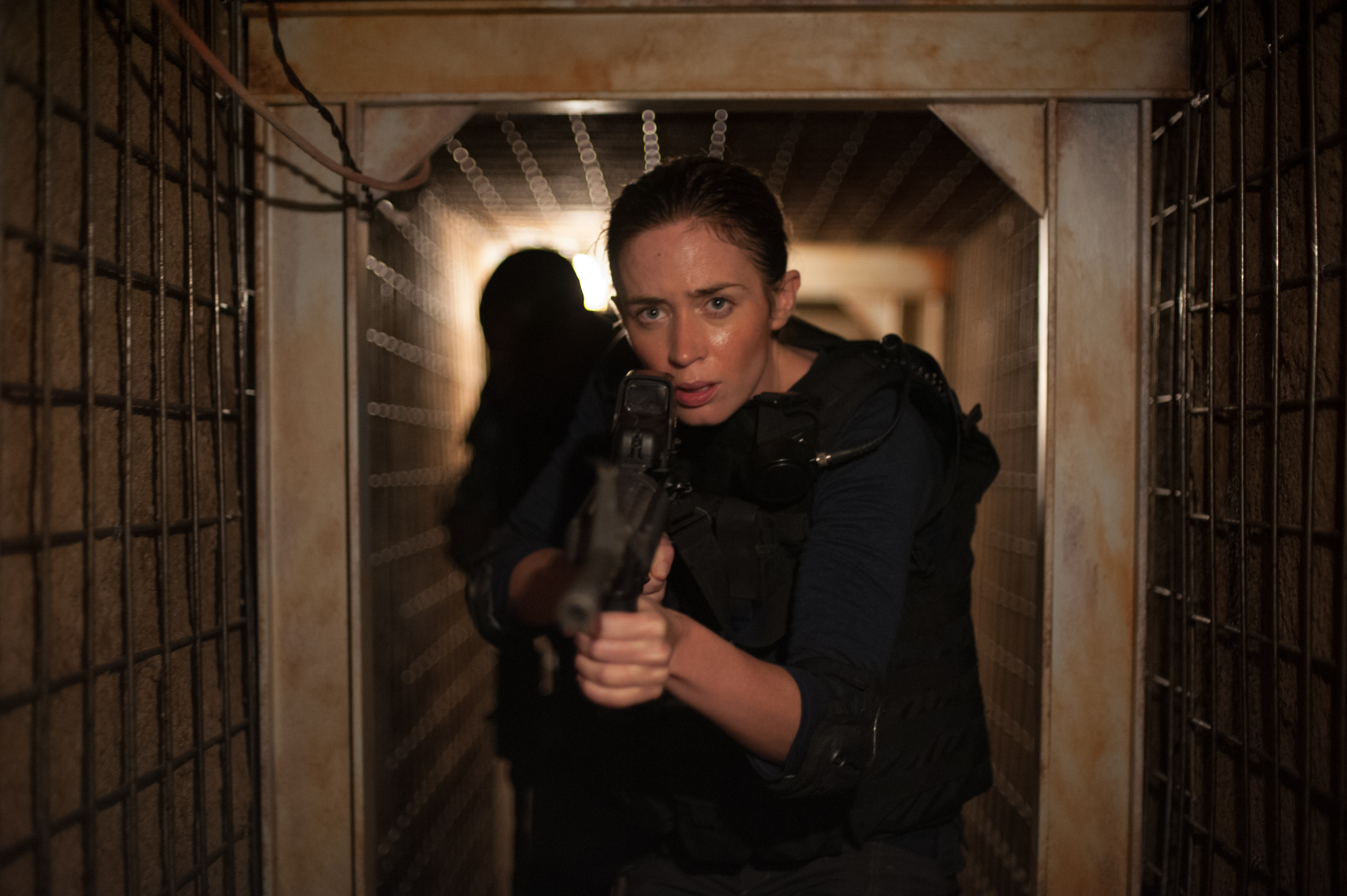
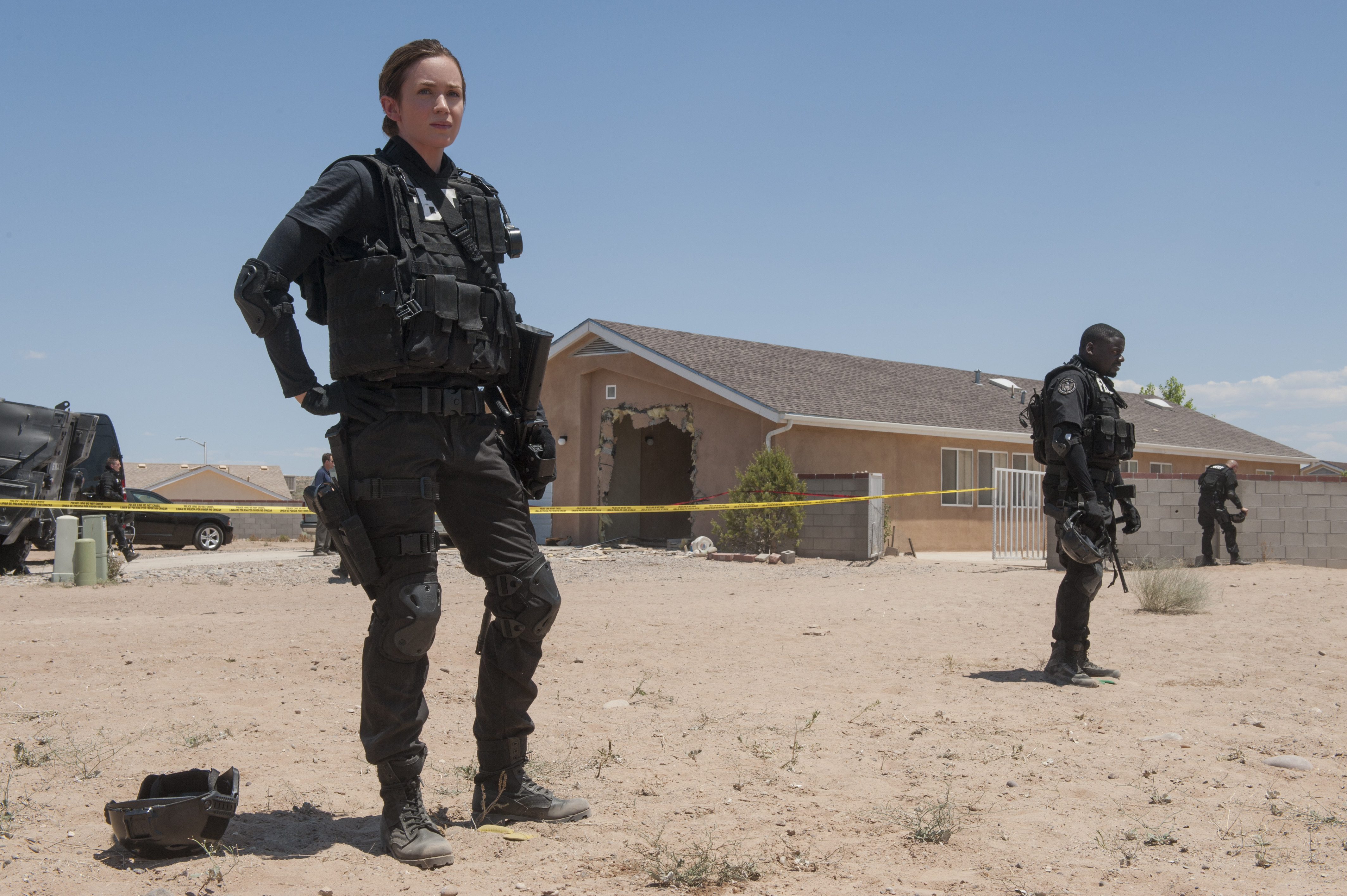
Violent cartels, corporate bureaucracy and untamed revenge dominate Sicario, and Emily Blunt’s capable FBI agent gets caught up in it all. She is our eyes and ears throughout, unfairly treated by the macho lot supposedly on her side yet unwavering in her quest for answers and, ultimately, justice. Blunt had a very good 2014 playing Rita Vrataski in Edge of Tomorrow; Kate Macer shares Vrataski’s endurance, but she also bears a genuine vulnerability that only serves to enhance her humane traits in an inhumane world.

Sicario - Emily Blunt

2. Felicity Jones — The Theory of Everything

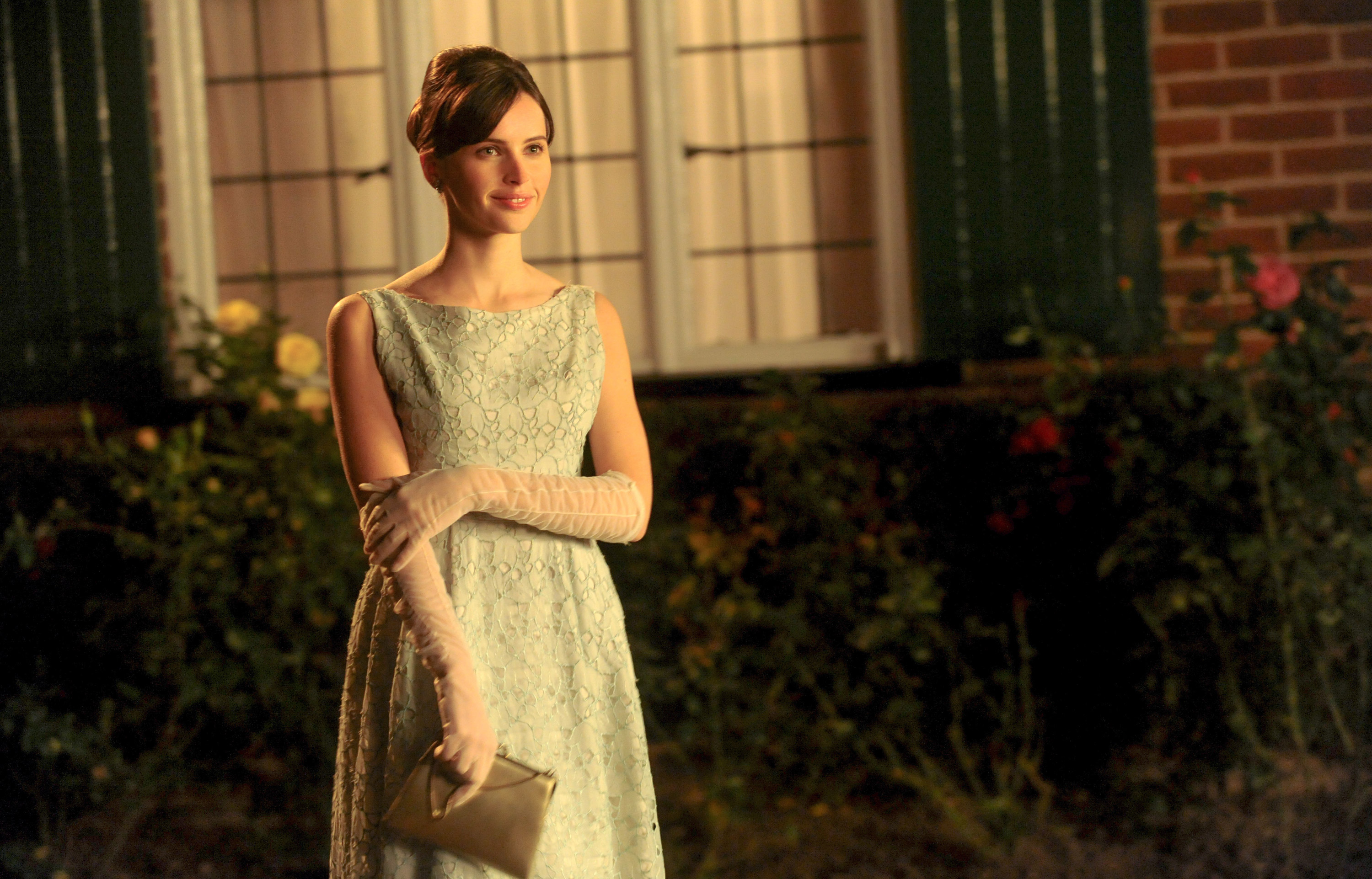
Julianne Moore won the Best Actress Oscar at the start of the year but it could easily have been Felicity Jones clutching the iconic trophy and charmingly stumbling her way through a speech. Unlike her co-star Eddie Redmayne’s overtly physical portrayal of Stephen Hawking, Jones’ appearance as wife Jane is imbued in subtlety and inner anguish. While you would expect to be naturally drawn to Redmayne’s face, it is actually Jones who commands your attention — her expressions vary by scene, telling a story and rendering words irrelevant in the process.

The Theory of Everything - Jones

1. Saoirse Ronan — Brooklyn

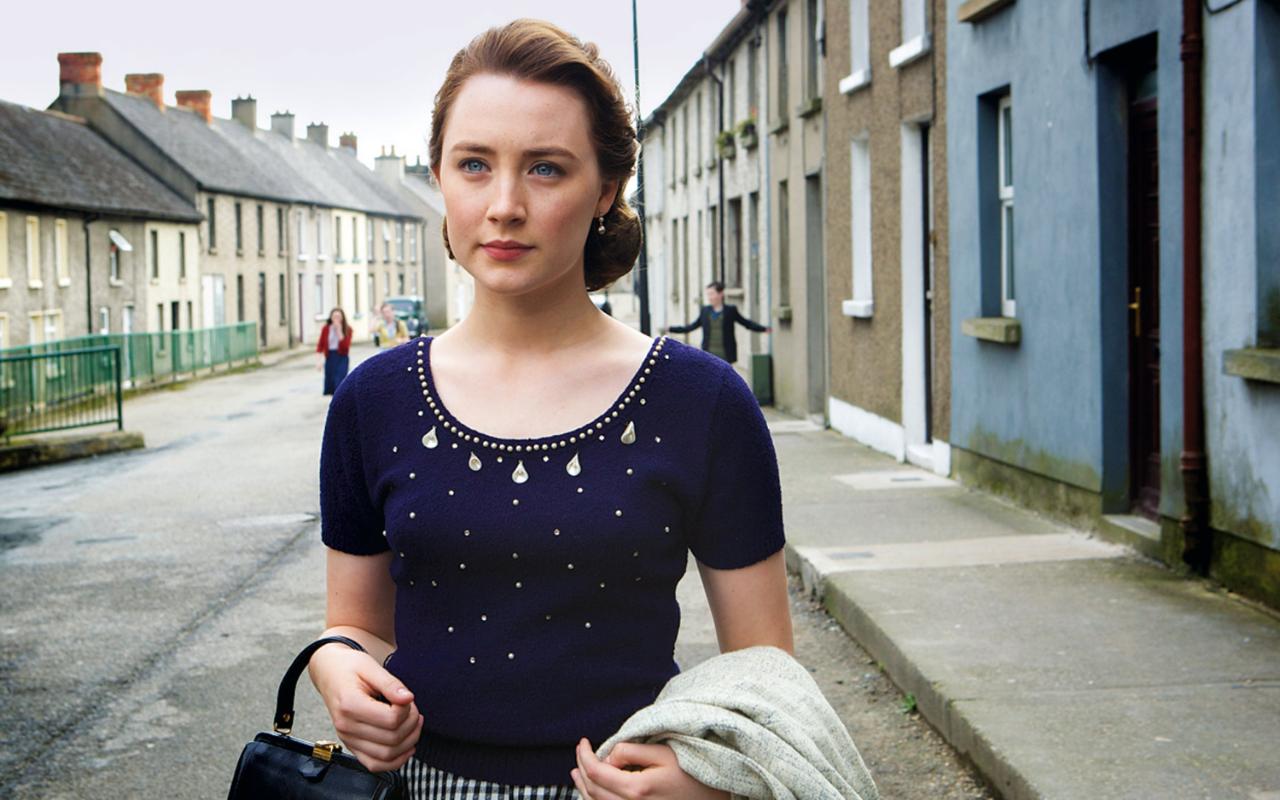
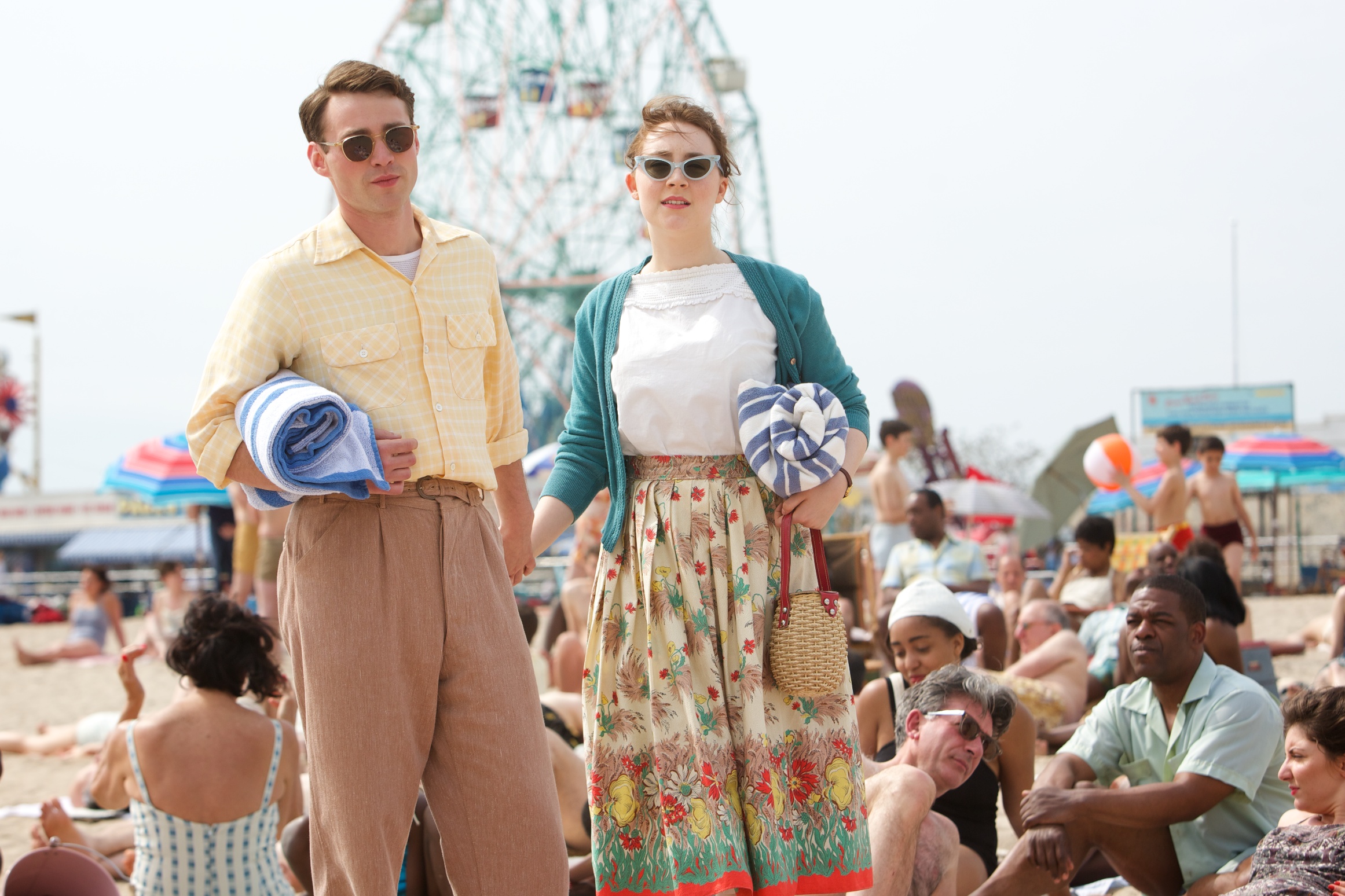
Speaking of facial expressions, there was nobody better in 2015 at relaying meaning through eye movement than Saoirse Ronan. The supporting cast, the screenplay, the setting, the direction — it is all there and it is all very good. But Brooklyn is Ronan’s movie and she rinses every emotional fibre out of every second she has on-screen. In Eilis, Nick Hornby’s screenplay funds a beautiful character; Ronan gives her depth and richness. How often have we bore witness to failed romantic endeavours on film? To false partnerships fuelled by an over-eagerness to retread well-worn paths? Brooklyn avoids that trap by focusing not just on its protagonist’s relationship status, but on Eilis’ actual life too. It’s all about the Irish immigrant and as such the film rests entirely on Ronan’s shoulders. Her acting muscles more than support the weight.

Brooklyn - Saoirse Ronan

Supporting Roles

5. Rebecca Ferguson — Mission: Impossible — Rogue Nation

Unknown quantity Rebecca Ferguson sprung onto the scene towards the end of a blockbuster heavy summer, and in Rogue Nation she seems to be relishing every minute. Affording the action genre some much-needed female flair alongside the likes of Daisy Ridley and Charlize Theron (it pained me to leave Theron off the previous list), Ferguson exchanges wit and brawn with Tom Cruise and more than holds her own. She has been cast — alongside Emily Blunt, no less — in the highly anticipated Girl on the Train adaptation, and with justification.

Mission: Impossible -- Rogue Nation - Rebecca Ferguson

4. Jessica Chastain — Crimson Peak

Guillermo del Toro’s Victorian splendour-piece divided opinion upon release. I liked it, and a lot of that had to do with Jessica Chastain’s chilly turn as plotting sister Lucille (come on, even her name denotes bad news). She maintains an eerie distance throughout the movie, seemingly ambivalent to the romance between her brother (Tom Hiddleston) and his muse, played by Mia Wasikowska. Of course when the you-know-what inevitably hits the fan, Chastain unleashes a furore that has you grinning and then grimacing.

Crimson Peak - Jessica Chastain

3. Kate Winslet — Steve Jobs

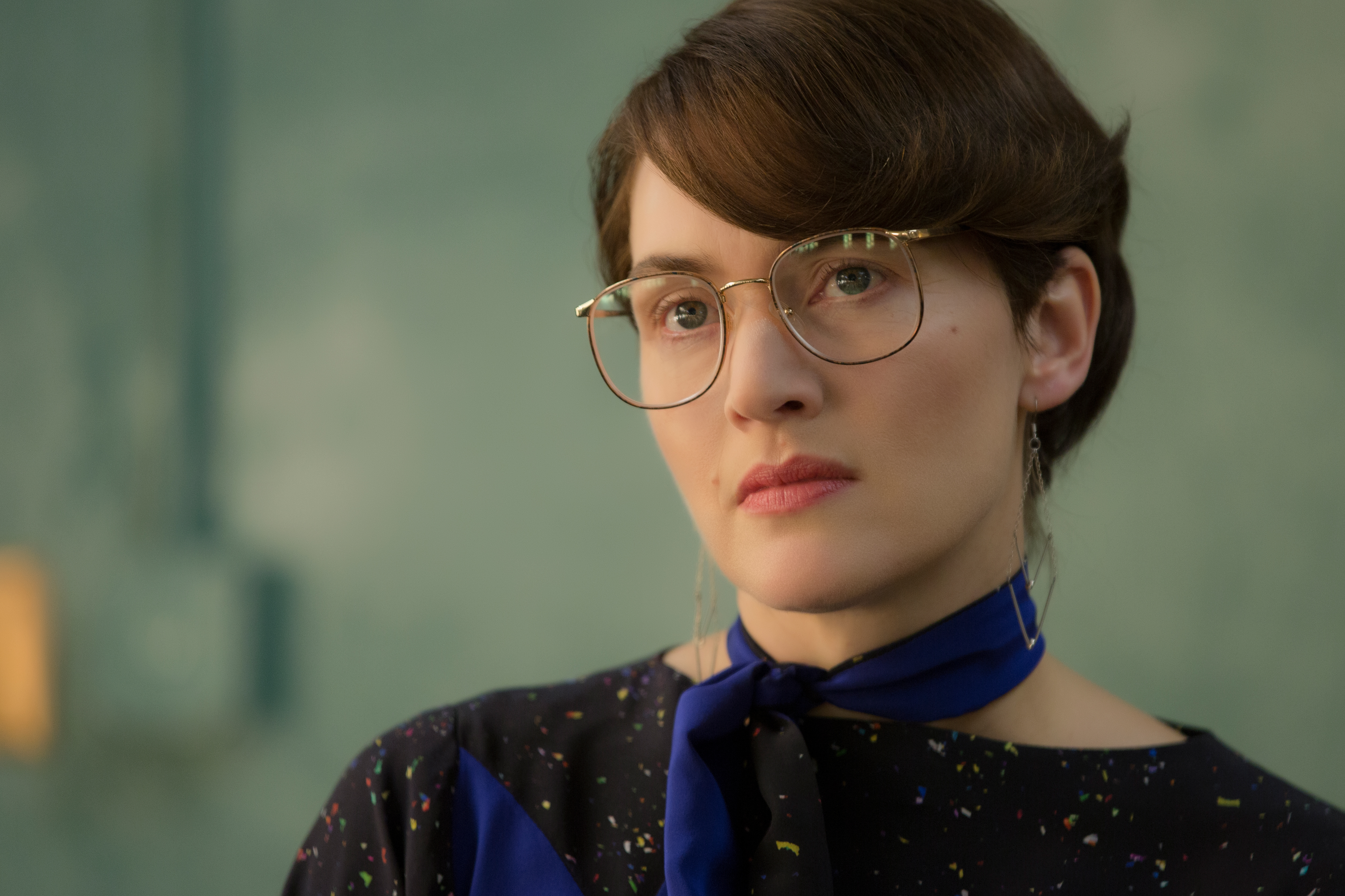
In an interview with Wittertainment captain Simon Mayo, Kate Winslet revealed just how dense Aaron Sorkin’s Steve Jobs screenplay was, though admitted her co-star Michael Fassbender had the toughest challenge given his ever-present showing. As Joanna Hoffman, Jobs’ personal adviser of sorts, Winslet’s words often carry a practicality born out of fondness for the ideas man. She is only person throughout the film whose appearance normalises Jobs; as he is knocking back all other individuals with undisguised hostility, you still find yourself invested his relationship with Hoffman and a lot of that is down to Winslet’s receptive allure.

Steve Jobs - Kate Winslet

2. Alicia Vikander — Ex Machina

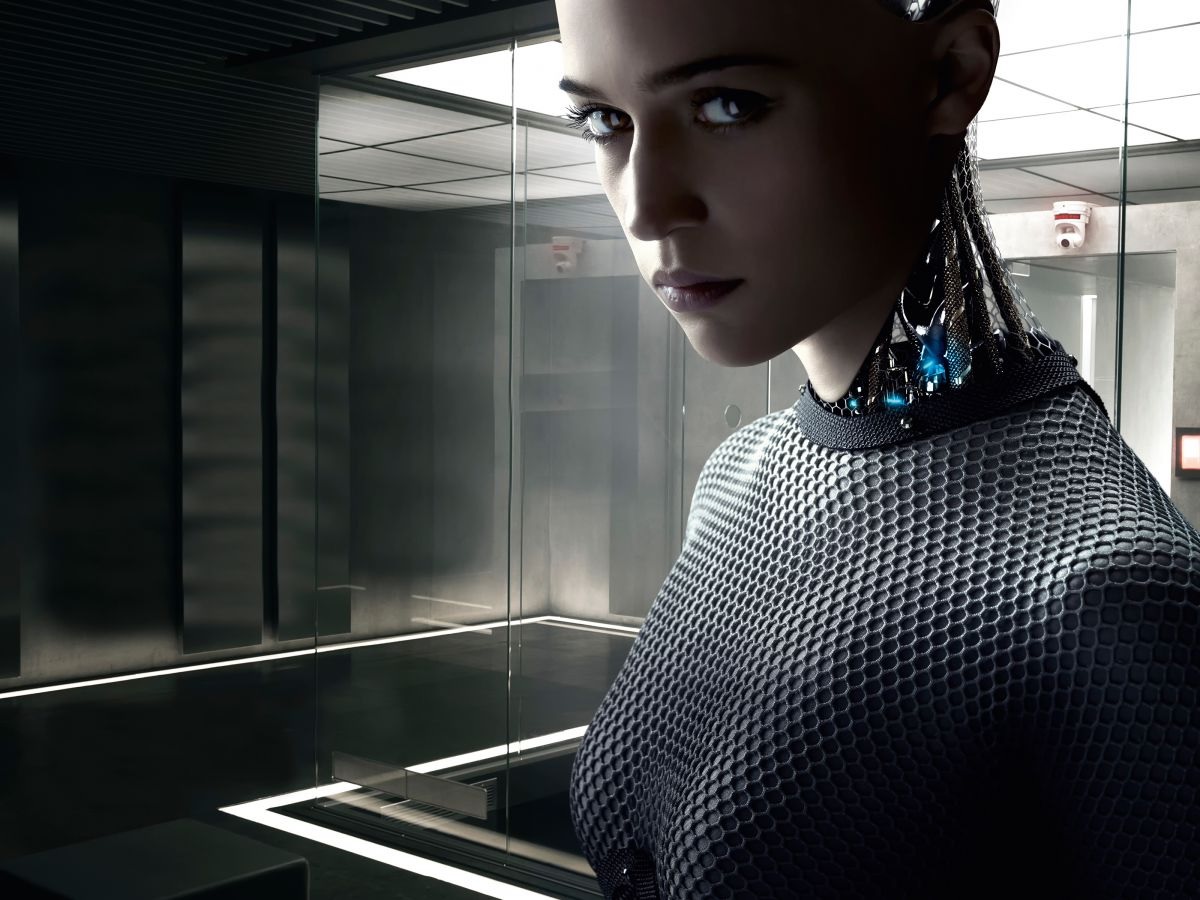
A number of test sessions act as a segmented pivot from which Ex Machina’s ideas are spun and examined, interviews designed to analyse an android’s capacity for humanness. The android in question is Ava, played with uncanny stoicism by Alicia Vikander: she somehow looks like both a robot and a human, and somehow acts with both an artificial and authentic inclination too (“She moves with odd mechanical smoothness and glides with inhuman grace”). Vikander draws us in under a guise of mystery and does not relent until it is too late. We’ve been had — brilliantly.

Ex Machina - Alicia Vikander 3

1. Fiona Glascott — Brooklyn

I think any supporting player worth their salt should seek to achieve two things: remain present and effective in auxiliary scenes, and inject the overall story or main character with added substance. The second of those is especially important, and it’s something that Fiona Glascott does poignantly. She plays Eilis’ older sister who remains in Ireland while her sibling traverses the Atlantic. The pair share a few quietly moving moments pre-trip and although Glascott does not figure an awful lot thereafter (apart from a dinner scene bursting with suppressed grief), her presence constantly lingers over the movie. It appears the actress won’t be formally recognised at the Oscars, which is a shame. We’ll always have John Crowley’s film though, and that is indelible.

Brooklyn - Fiona Glascott

Images credit: Collider, The Telegraph

Images copyright (©): A24Focus Features, Fox Searchlight PicturesLionsgate, Paramount PicturesStudioCanal, Universal StudiosThe Weinstein Company

Top 10 Performances of 2015 — Actor

A rubbish film can bear great performances, but a great film can’t really bear rubbish performances. The actor, in many ways, is the bread and butter of motion picture creation. It is his or her job to take the prescribed raw materials (a screenplay, a set, a prop) and recalibrate those errant parts through personal experience and analytical understanding into a final, visceral product that audiences can — hopefully — relate to or engage with.

2015 was another tiptop year on the acting front, across the board. Mainstream movies, under the radar indie flicks, big budget creations, genre pieces — you name it and there was at least one performance of note. Now that said year has ended and we are hammering down the motorway towards awards season, I think it is worth reflecting on some of those excellent portrayals.

These are my top ten male performances of 2015 (five leading and five supporting). If you so desire, you can check out my celebration of the work done by a few fantastic females here.

Leading Roles

5. Jake Gyllenhaal — Southpaw

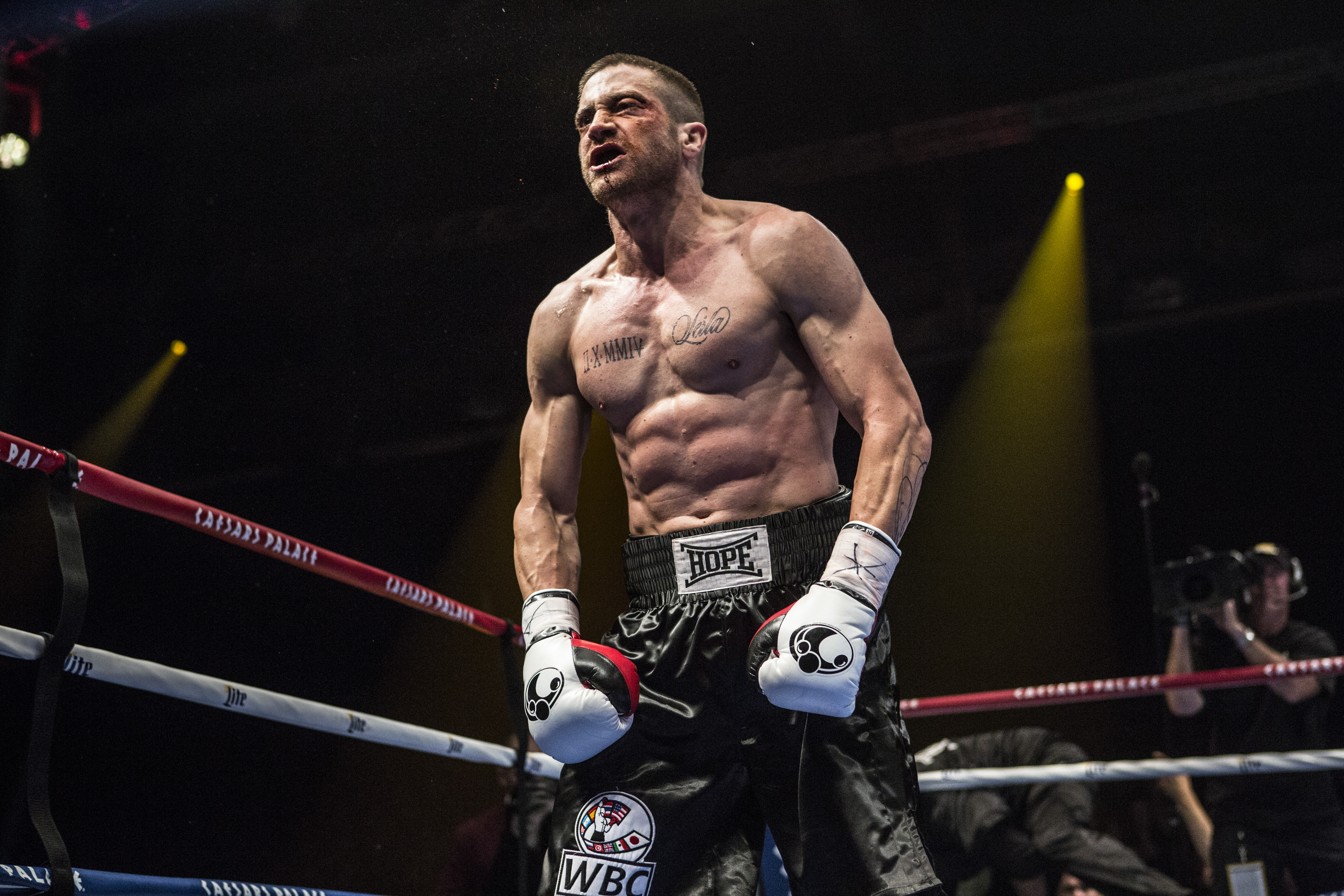
A film and lead performance indicative (at least to an extent) of the first sentence in this feature, perennial powerhouse Jake Gyllenhaal elevates Antoine Fuqua’s riches-to-rags-to-riches boxing tale beyond convention. The actor has never really had a bad patch to bounce back from — unlike, say, Matthew McConaughey — but his work in recent years has been McConaissance-esque in quality. In Southpaw he plays a devastated boxer, matching a chiselled physique with a nuanced emotional exterior. It’s a shame his name has dropped out of the Oscar race, because this showing genuinely is a knockout.

Southpaw - Jake Gyllenhaal

4. Matt Damon — The Martian

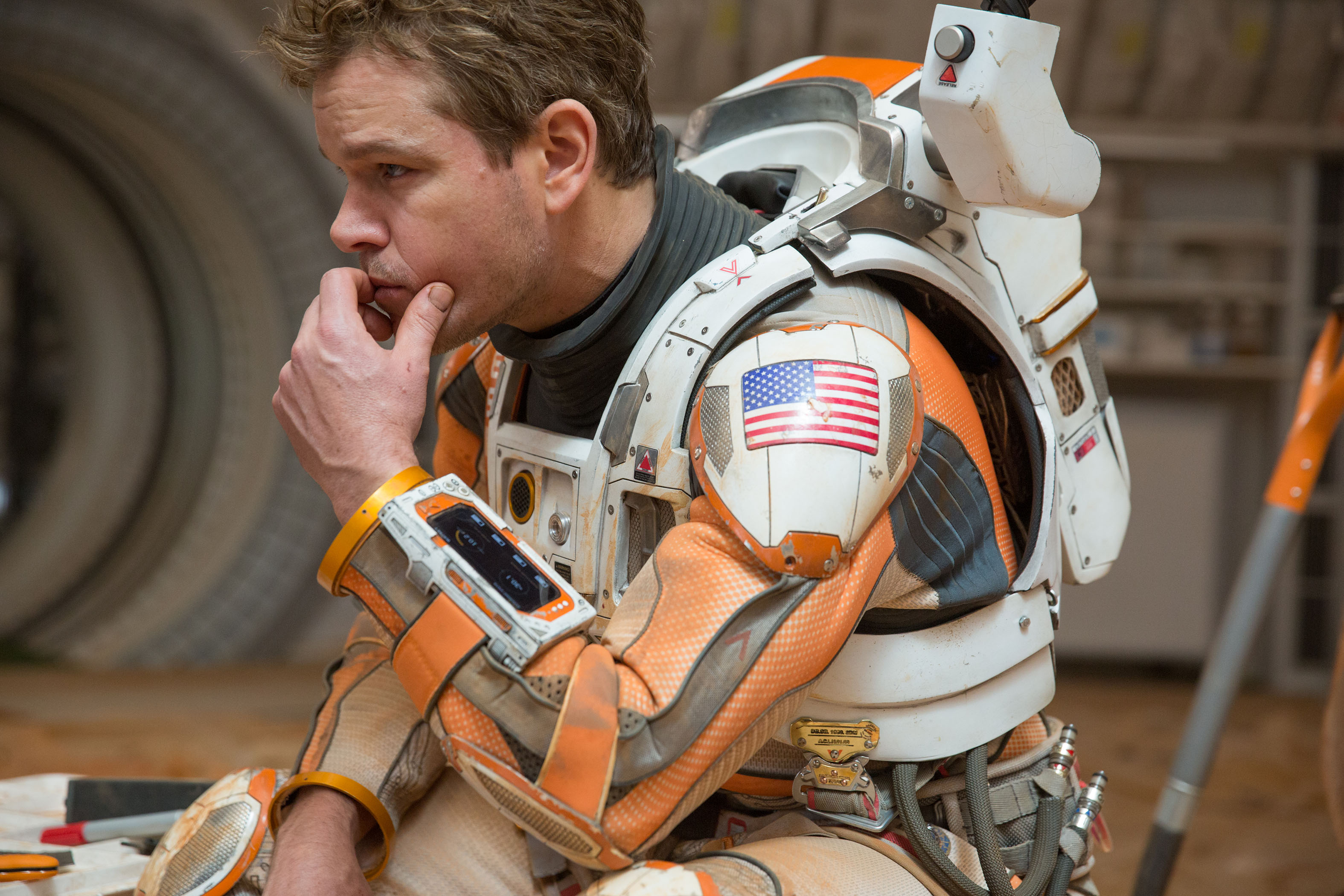
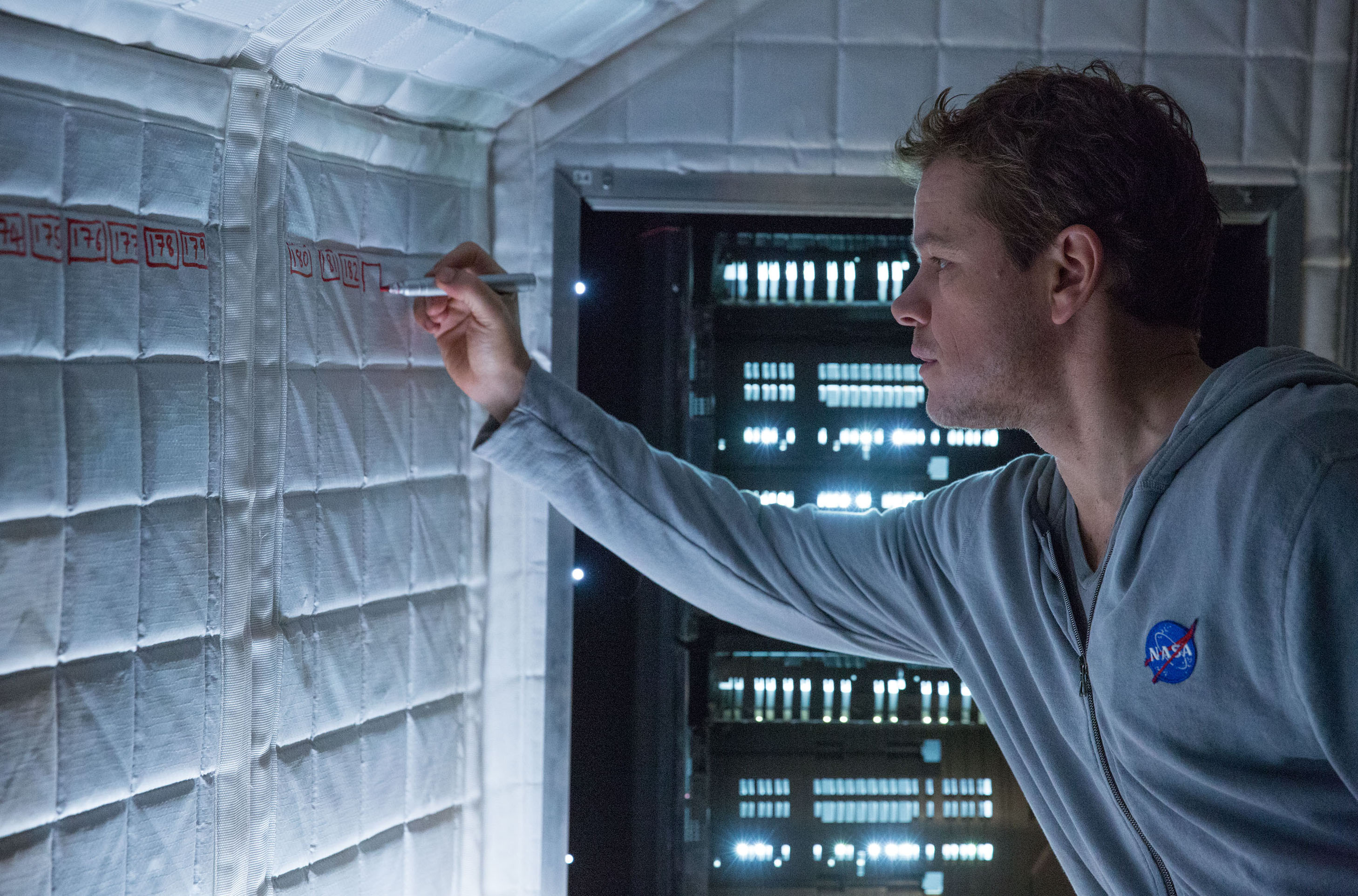
It is always a pleasure to sit back and watch smart people do smart things, and Mark Watney fulfils that criteria. The Mars-stranded botanist was originally conceived on the pages of Andy Weir’s novel, and while books by nature offer readers a blank canvas to visualise content as they so please, it is tough to imagine anyone other than Matt Damon as Watney. He purveys a resilience that endears, a wit that encourages laughter, and an occasional serious streak that demands wholesale sympathy. Good thing too, given Damon spends the majority of the two and a half hours on-screen by himself.

The Martian - Matt Damon

3. Michael Fassbender — Steve Jobs

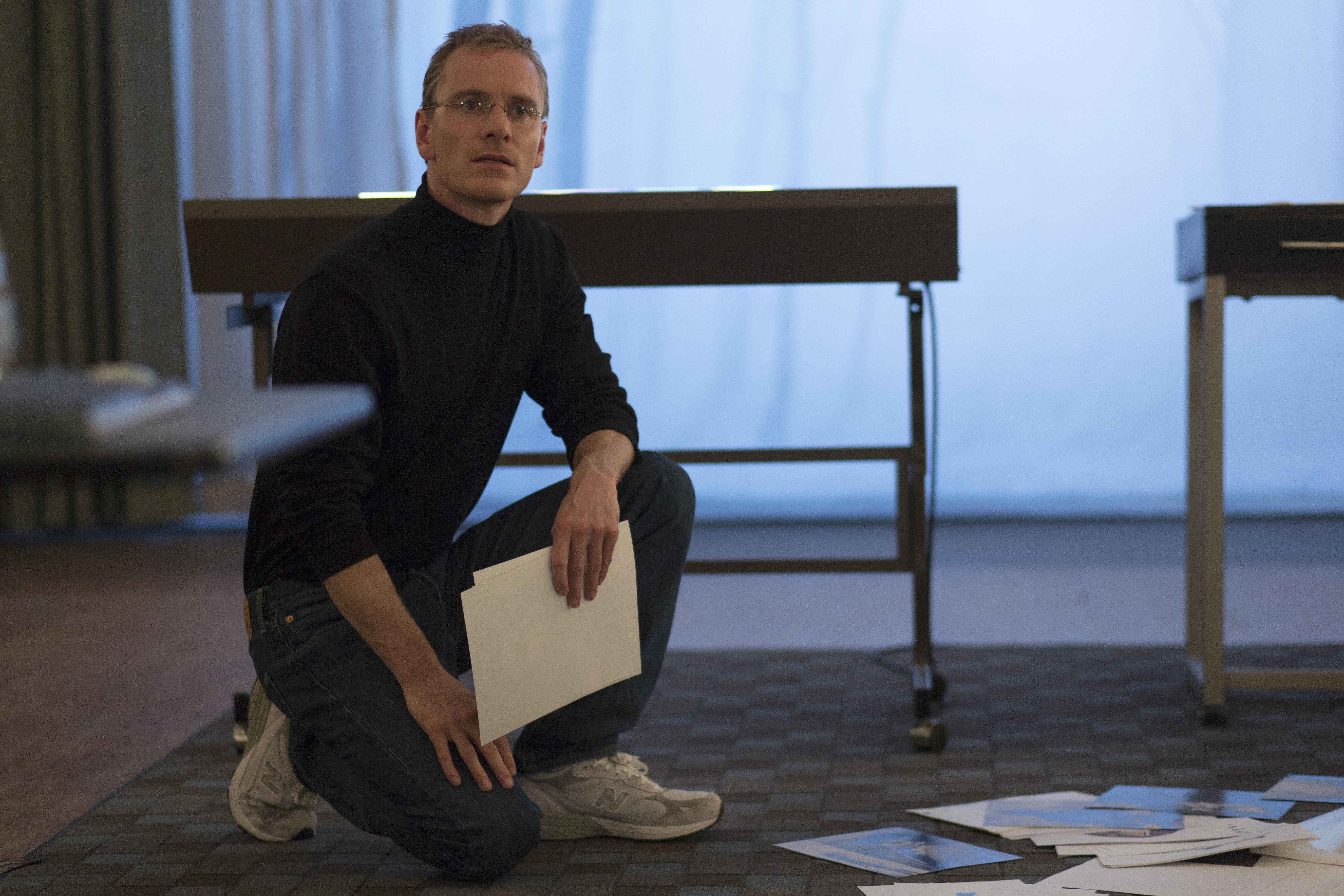
Giving a personal face to an Aaron Sorkin screenplay seems difficult enough, but turning the notoriously hard-headed Steve Jobs into someone we can somewhat relate to is something else entirely. Michael Fassbender does just that as a specific version of the Apple genius — the showman — taking us on a journey through three product launches and three personality evolutions. There is a magnetism to the way he interacts with those around him as well as an initial, purposeful iciness that naturally melts into generous acceptance. Between this and his headline role in Macbeth, Fassbender’s had a strong year.

Steve Jobs - Michael Fassbender

2. Eddie Redmayne – The Theory of Everything

Transformative performances are in vogue in the world of Eddie Redmayne and it’s clear to see why: he is very good at them. Redmayne is back among the awards chatter having opened 2016 as transgender pioneer Lili Elbe in The Danish Girl, but his early 2015 portrayal of Stephen Hawking in The Theory of Everything is the superior of the two. The actor is exposed for all to see as the physicist, with very little to fall back on. His co-star Felicity Jones brings beautiful subtlety to Jane Hawking, the inverse of Redmayne’s painstakingly physical delivery. He won the Best Actor Oscar early in the year, and justifiably so.

The Theory of Everything - Eddie Redmayne

1. Oscar Isaac — A Most Violent Year

While Redmayne and co. celebrated the industry recognition afforded to them via golden statuette, Oscar Isaac found himself devoid of even an invite to acting table. Criminally overlooked as struggling businessman Abel Morales, in A Most Violent Year Isaac — and I mean this with absolute sincerity — nears an Al-Pacino-in-The-Godfather level of performance. J.C. Chandor’s script is cool and careful, affording Isaac a platform to excel from. Abel’s aura is built upon composure and a need to maintain moral correctness, but shots are occasionally fired and with real menace. Isaac ensures we never dislike him though, which is saying something given the murky presence of vehicle hijackings and loan sharks. It’s not a showy performance, simply an utterly engrossing one indicative of a genuine movie star.

A Most Violent Year - Oscar Isaac

Special Mention: Steve Carell, Channing Tatum, Mark Ruffalo — Foxcatcher

Major props ought to go to the trio at the forefront of Bennett Miller’s Foxcatcher, all three as worthy of a top five spot as any. Ruffalo reverberates with awkward allure, playing someone who is keenly aware that his younger sibling could be as talented a wrestler as he. As said sibling, Tatum infuses the nominal jock archetype with a sense of unyielding desperation and highly sought after humanity. And Carell swaps bumbling comedy for haunting creep, dressed in a prosthetic getup that disguises his usual cheeriness and instead promotes true horror.

Foxcatcher - Carell & Ruffalo

Supporting Roles

5. Oscar Isaac — Ex Machina

It has been a terrific year for Isaac — he’s also great in an underserved Star Wars: The Force Awakens role — one that got underway in Alex Garland’s mind-prodding Ex Machina. Like Foxcatcher, this is another outing bolstered by three capable performances (and, indeed, a whole lot more). Isaac juggles a host of familiar attributes, from a macho physicality to a technological savvy to a weariness brought on by wealth, and it is fitting therefore that we can never quite pinpoint his mindset at any given moment. The untamed beard helps too.

Ex Machina - Oscar Isaac

4. Emory Cohen — Brooklyn

You’ll do well to find a more charming male protagonist this year than Tony Fiorello. He is the ideal boyfriend, nurturing but not overly invasive, and never a sappy thanks to Emory Cohen. Aided by Nick Hornby’s wonderful screenplay, Cohen brings a commendable amiability (particularly commendable when you consider who he acts opposite — the interminably delightful Saoirse Ronan) and a retro flair akin to that of James Dean: the wavy hairdo, the cheeky grin, the enigmatic charisma. It’s all there.

Brooklyn - Emory Cohen & Saoirse Ronan

3. J.K. Simmons — Whiplash

There is very little else that can be said about J.K. Simmons’ Oscar-winning turn as a maniacal music teacher in Whiplash, but I’ll say some more anyway. Having carved out a career playing bit part supporting roles, it feels right the most critically acclaimed turn of the actor’s career is his meatiest supporting stance to date. As Terence Fletcher, Simmons strikes fear into not only the mind of Miles Teller but of viewers also, unleashing a poised (and then not-so-poised) ferocity conceived in a pair of all-knowing eyes. No rushing or dragging here.

Whiplash - J.K. Simmons

2. Benicio del Toro — Sicario

Mystery is the key to Benicio del Toro’s negotiation-avoiding brute. In my review of Sicario, I lauded his performance as follows: “Del Toro saunters on-screen parading a mystique that suggests he ain’t to be messed with. He folds his jacket even though it is already creased, a move that mirrors his make-up: externally unruffled but internally blazing. The actor has that grizzled veteran demeanour, his hitman reminiscent of Charles Bronson’s Harmonica in Once Upon a Time in the West.” That is to say, he’s quite good.

Sicario - Benicio del Toro

1. Mark Rylance — Bridge of Spies

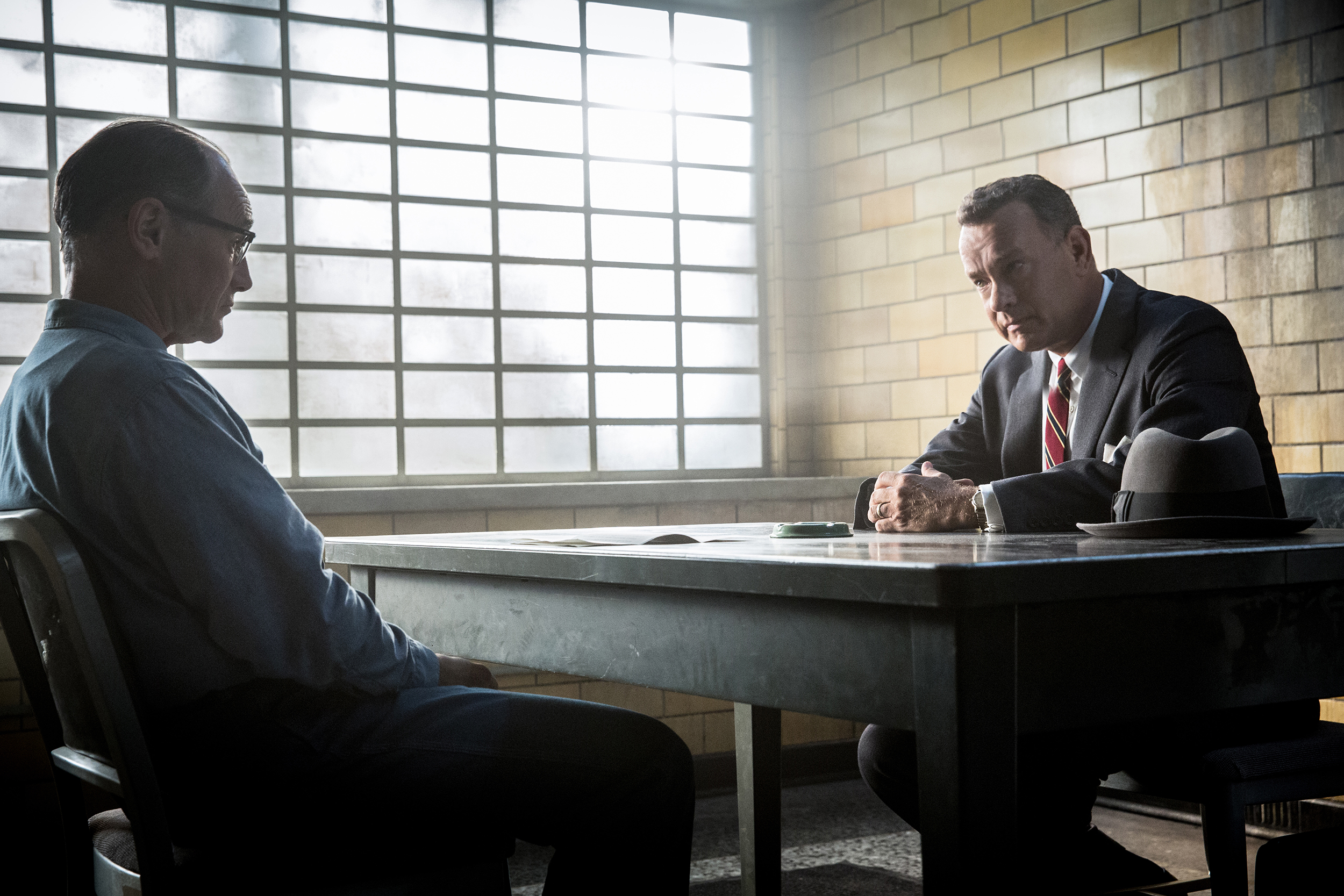
Like the aforementioned J.K. Simmons, Mark Rylance has never really be one to court the cinematic limelight. He has primarily plied his trade in theatre, but there is nothing theatrical about his portrayal of potential Soviet spy Rudolph Abel in Steven Spielberg’s Bridge of Spies. Precision is key; you can’t keep your eyes off Rylance because every inclination, every stutter, every action appears to have some sort of meaning. The chemistry he shares with Tom Hanks — another would-be worthy addition to any celebratory list — breeds authenticity across a companionship that might otherwise have felt cold. Full Marks.

Bridge of Spies - Mark Rylance

Images credit: Collider, Nerdist

Images copyright (©): A24Focus Features, Fox Searchlight Pictures, LionsgateSony Pictures Classics, TSG EntertainmentUniversal Pictures, Walt Disney Studios Motion PicturesThe Weinstein Company20th Century Fox

Top 10 Films of 2015

2015 then. How best to sum the year up? Jurassic World chomped its way through the global box office with enough bite to break the Marvel mould (defeating those pesky Avengers in the process). Jurassic World was also part of a popular franchise revitalisation scheme, one that included fellow big hitters Mad Max: Fury Road and Star Wars: The Force Awakens. The latter, of course, is currently challenging Avatar for the highest-grossing movie of all time crown.

Heroines took centre stage: the battle-hardened Furiosa; the admirably persistent Kate Macer; the multi-skilled Rey; the emotionally resilient Riley. Critics hailed everything from smart sci-fi to nifty nostalgia while maintaining a sense of analytical balance by dealing stinging verbal blows to the likes of Entourage (full disclosure: I still haven’t seen it). Adam Sandler evaded baying cinema audiences though, opting instead to take his claptrap to Netflix’s smaller screen.

But there was plenty of good stuff too. Lots. So much, in fact, that gems such as It Follows, A Most Violent Year, Carol, Spectre, Macbeth, Ant-Man, and Whiplash haven’t even made it onto my list of top films. Cinema, as is always the case, is ending the year in pretty good hands. Here are 10 reasons why.

10. Brooklyn

Sentimental love stories are a tough thing to get right. You can overdo the romance and end up with a gallon of unappetising sap, or you might underserve the tender connection and leave audiences cold. John Crowley avoids both traps and instead tells an immigrant tale that blossoms with the aid of a genuine, lovely screenplay. Saoirse Ronan unveils a career-best performance as an Irish lass caught up in a turnstile of emotion; she is helped through the barrier by Emory Cohen, oozing 1950s appeal, and a poignantly plagued Fiona Glascott.

Brooklyn - Saoirse Ronan

9. Ex Machina

Alex Garland, whose screenwriting portfolio includes Danny Boyle’s sci-fi masterstroke Sunshine, paves his own directorial path with another, smaller science fiction spectacle. The scale might have changed but, like Sunshine, Ex Machina thrives on simmering tension and ambiguous characterisation. Domhnall Gleeson plays an employee who’s afforded the opportunity to spend a week with his innovative boss, Oscar Isaac. The catch? Alicia Vikander’s uncannily human-like android. It is a glossily realised melting pot of intellect and deception.

Ex Machina - Isaac & Gleeson

8. Sicario

Emily Blunt takes the lead as a gutsy FBI agent in Denis Villeneuve’s latest English-language film. Those that preceded — Enemy and Prisoners — focused on weighty themes and this is no different: Juárez, Mexico is the volatile setting and drug cartels are the violent subject. Roger Deakins’ cinematography transports us to a place we’d rather not be, juxtaposing coarse imagery with oddly beautiful landscapes. There’s also one of the scenes of the year: a traffic jam imbued with unadulterated anxiety. The ensuing beads of sweat could fill a river basin.

Sicario - Emily Blunt

7. Inside Out

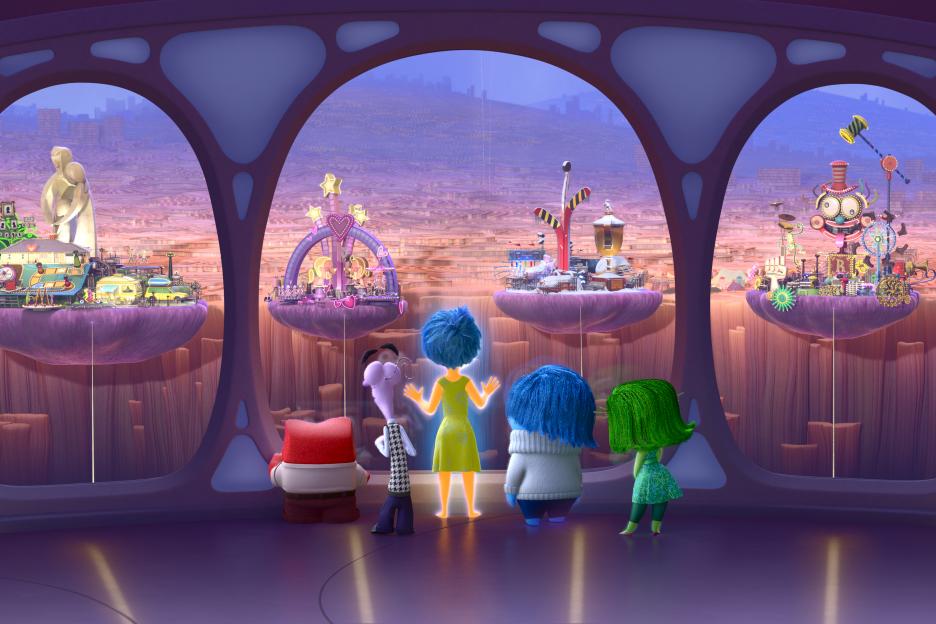
Pete Docter heads up an instant Pixar classic, another one of those ‘for all the family’ rarities. Inside Out has that vital energy and colourful exuberance youngsters cherish, but its beauty lies in its multi-collaborative screenplay that sends adults on a moving analytical journey. It examines social growth, mental strength (or lack thereof) and even the importance of parenthood. Admirably, the piece never shirks away from tough subject matters which means the rewards are plentiful.

Inside Out - Emotions

6. Girlhood

From one human drama to another, Girlhood follows the exploits of a teenager flirting on the fringes of adult life. A sister at heart to Richard Linklater’s Boyhood, Céline Sciamma’s touching tale tackles everything from commercial idealism, to economic division, to the richness of human interaction. Newcomer Karidja Touré is exceptional as the adolescent at the centre of proceedings, matching innocence to dissent with a natural flair beyond her years of experience.

Girlhood - Cast

5. Star Wars: The Force Awakens

The Force Awakens was either doomed to fail or destined to thrive. Either way, J.J. Abrams had an enormous task on his hands: without relying too heavily on fan service, the former Lost aficionado had to reclaim the magic of the original trilogy while also paving the way for future intergalactic adventures. We should hardly have worried given Abrams’ reboot track record (see Star Trek). His film is packed full of affecting nostalgia and is arguably the funniest instalment to date. Perhaps most importantly, the Class of Episode VII are as fresh and exciting here as their iconic ancestors were back then.

Star Wars: The Force Awakens - Kylo Ren

4. Foxcatcher

Laughs aren’t quite as forthcoming in Foxcatcher, Bennett Miller’s tragic sports-drama based on true events. It follows the Olympic-driven efforts of amateur wresting siblings Mark and Dave Schultz, played by Channing Tatum and Mark Ruffalo respectively, and their increasingly noxious relationship with trainer John du Pont. Steve Carell has the showiest role as du Pont, both terrifying and disturbing, however all three actors are equally effective. It is not an easy film to sit through, but it is a tremendously well-constructed piece of macabre cinema.

Foxcatcher - Carell and Tatum

3. Bridge of Spies

Steven Spielberg and Tom Hanks team up for a fourth feature outing, their latest effort an absorbing masterclass in classic filmmaking. Set at the height of the Cold War — Janusz Kamiński’s cinematography is crisp throughout, especially when we reach Germany — it sees Hanks in his typical everyman getup as a principled lawyer out to defend a potential Soviet spy. Mark Rylance’s grounded mannerisms humanise a would-be enemy (there are no real enemies on display, only opposing pawns) while Thomas Newman’s exquisite score mixes patriotic brass with a touching piano melody.

Bridge of Spies - Tom Hanks & Mark Rylance

2. The Martian

Being stranded on Mars for close to a thousand Sols eventually proved to be quite the grating experience for Mark Watney (Matt Damon), but spending a couple of hours at the cinema with the botanist was a complete joy. Ridley Scott brings more than just visual spectacle to screenwriter Drew Goddard’s fantastically witty take on Red Planet isolation. Damon is very funny throughout, and his moments of emotional weakness are wonderfully played too. The Martian must also boast the most impressive cast of 2015.

The Martian - Matt Damon

1. Mad Max: Fury Road

George Miller borrows from his own barnstorming back catalogue in order to rewrite the rules of action. Working within a genre that seemed destined to bow before digital effects for the foreseeable future, the director shot most of Fury Road using practical stunts and real life locales. Tom Hardy excels as Max, but the true lead is Charlize Theron’s Furiosa, a rampant survivor hell-bent on outmuscling tyranny and redressing social equality (yes, really). If any film managed to tap into the year’s cultural zeitgeist, it was this — and with absolute style.

Mad Max: Fury Road - Hardy and Theron

Images credit: Collider

Images copyright (©): A24Fox Searchlight Pictures, Universal Studios, Lionsgate, Walt Disney Studios Motion Pictures, Pyramide Distribution, Sony Pictures Classics, 20th Century Fox, Warner Bros. Pictures

Southpaw (2015)

★★★

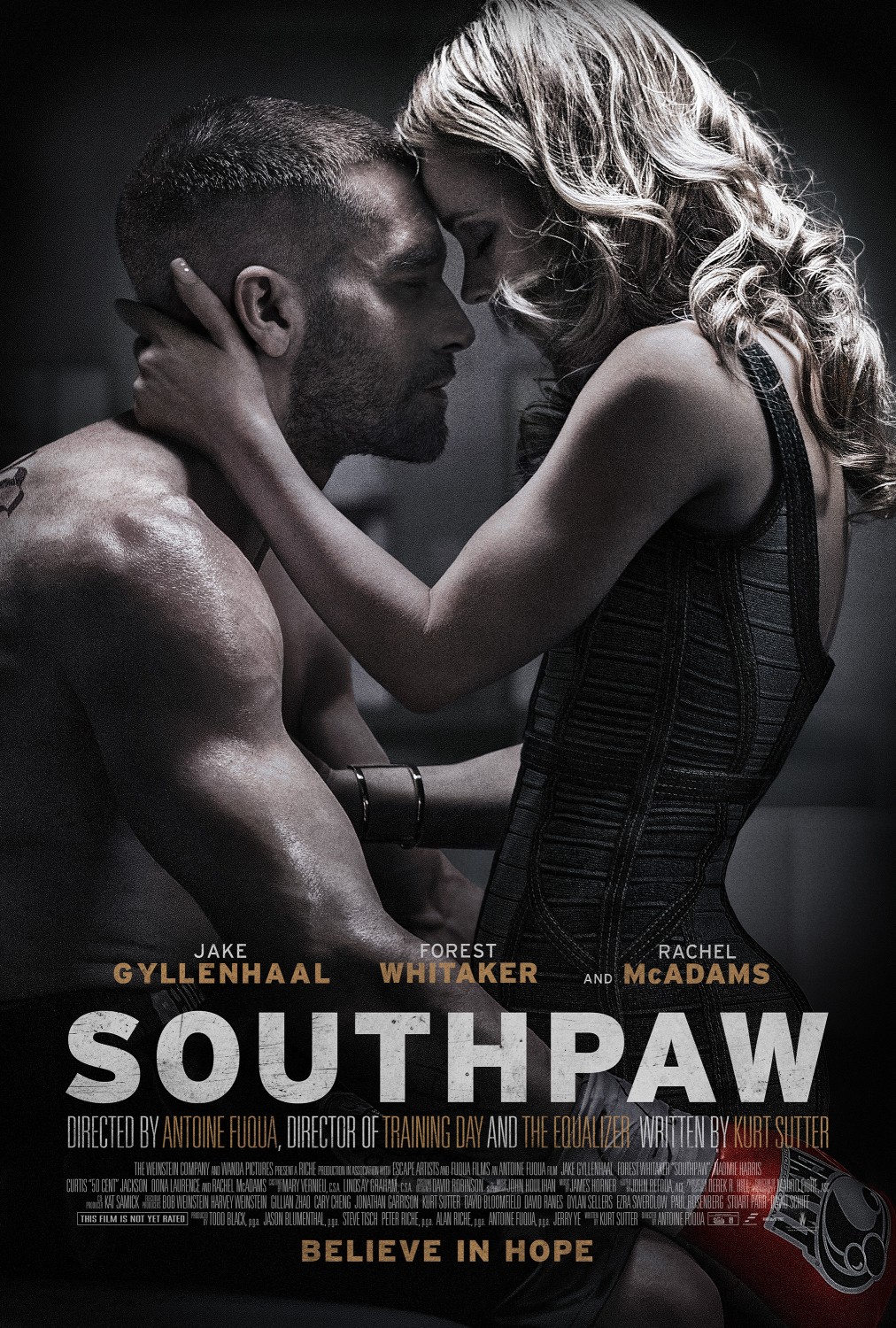
Southpaw PosterDirector: Antoine Fuqua

Release Date: July 24th, 2015 (UK & US)

Genre: Action; Drama; Sport

Starring: Jake Gyllenhaal, Rachel McAdams, Forest Whitaker

The fact that Southpaw struggles to hurdle the proverbial style over substance dilemma is perhaps not particularly surprising given its director Antoine Fuqua recently doused the silver screen with The Equalizer and Olympus Has Fallen. Having said that, Fuqua was also the man behind Training Day back in 2001, and had he borrowed more of that movie’s mettle, the filmmaker might have been onto a winner with this otherwise fairly conventional sports drama.

“Billy Hope” is a classic boxing name, the sort given to someone destined to surmount typical obstacles. True to form, Billy Hope (Jake Gyllenhaal) is an underdog: orphaned at a young age, odds stacked against him from the get-go, we meet Hope right before he is about to box for the World Light Heavyweight Title in Madison Square Garden. He wins. And that’s fine; boxing movies tend to be underdog movies for a reason — in real life, the sport is all about rising above adversity and showing heart, so it is right cinema should reflect that.

But when dazzling shots of New York City find significant screen time, something feels off. Commercialism is in the air and it rears its rich head more often than it ought to. Sure, this idealist aura fits when Hope is champion and resultantly wrapped up in his material world — he and his wife Maureen (Rachel McAdams), a fellow orphan, live in a plush home with their adolescent daughter — but as soon as the fighter loses everything, materiality should no longer be his goal. For a while, it isn’t.

After Hope’s victory, the film is dead-set on convincing us that boxers never truly win. From subtle hints at memory loss, to his wife’s misgivings about him competing again, to the actions of another title contender, the darker side of boxing is emphasised. Of course, tragedy is bound to strike and when it does it’s really quite heartbreakingly played by the people involved. Those who have seen the trailer will know what happens — I’ll avoid the particulars, though it is easy to work out. The abrupt nature of the tragedy suggests it is merely a narrative device designed to propel Hope’s story forward, and although there is truth to that line of thought, it does also introduce compelling themes such as fatherhood with greater heft.

The legal resolution to the tragedy is poorly realised; the consequences seem lazily construed (harsh punishments are dealt to innocent parties, whereas the guilty gang appear to get away scot-free). Left wallowing in despair, Hope turns again to boxing rather than his equally distraught daughter, and then to drink and violence when the fighting does not pan out. His once loyal promoter (50 Cent) drops him without any incline of regret because, after all, “it’s just business”. Here, Sons of Anarchy creator Kurt Sutter’s screenplay highlights the ruthless side of the sport, the corporate face that wholly goes against boxing’s brotherly backbone.

Gyllenhaal channels Anthony Quinn in Requiem for a Heavyweight, muttering and growling through helpings of dialogue. We watch him navigate home life with busted ribs and a busted face, and the actor sells the agony with so much realism you wonder whether he literally took a beating for his craft. The typical boxer stereotypes are enforced: Hope can’t really spell, nor is he a great public speaker outside the world of boxing, but at least we get a chance to see these anxieties play out. In truth he isn’t an especially well written character, erratic, for example, in moments of should-be clarity — an introductory conversation between he and maturing gym owner Tick Willis (Forest Whitaker) combusts out of nowhere.

I’m not entirely sure how Whitaker meant to portray Tick; he flirts between calm and crazed a little too enthusiastically. Oona Laurence ably pulls off Hope’s book smart daughter. She has lovely poise and avoids the potentially suffocating Grating Child Actor trap. This is the Gyllenhaal show though. He manages to terrify and reflect instability, yet still garner our complete sympathy. Indeed it is a transformative performance, but the muscular physicality is almost irrelevant. His heavy face, his anguished voice, his bowed eyes — these are the traits that actually engage us.

But as unoriginal training montages begin to arrive, coaxed on by Eminem, the overly produced aura makes a comeback. I think the film gets too caught up in reaching an idealistic end point: it needs to better separate the grit and the glam (it does for a while and works as a result), because the glam is poison and we do not want our reformed anti-hero seeking out poison. Million Dollar Baby is an example of a film that brilliantly subverts the recognisable model. Fuqua, it seems, can’t quite help chasing another false dream.

We do see an apt balance of grit and glam inside the ring. Fights are HBO presentations, and broadcasting mainstays Jim Lampley and Roy Jones, Jr. provide commentary. Wide shots positively feed the authentic televisual nature of the matches (as opposed to lingering on the boxers’ faces, common in Rocky and Raging Bull, those films likely limited by their technical capabilities). The fight choreography even evokes reality: head and body clinches are plentiful, and a blood-sweat concoction violently sprays at the behest of punches. One particularly intuitive camera movement vaults backwards over the top rope after a brutal uppercut.

Apart from that, there is nothing new going on here. Fuqua directs on familiar ground, navigating efficiently through the usual peaks and troughs before landing where all boxing movies land. His lead actor elevates the material, but even he needs more support from those around him (main villain Miguel Escobar (Miguel Gomez) is woefully wafer-thin). Southpaw was probably never going to be a true contender, but thanks to Jake Gyllenhaal, Billy Hope is at least somebody.

Southpaw - Jake Gyllenhaal

Images credit: IMP Awards, Collider

Images copyright (©): The Weinstein Company

Ex Machina (2015)

★★★★

Ex Machina PosterDirector: Alex Garland

Release Date: January 21st, 2015 (UK); April 24th, 2015 (US)

Genre: Drama; Mystery; Science fiction

Starring: Domhnall Gleeson, Oscar Isaac, Alicia Vikander

One moment programmer Caleb (Domhnall Gleeson) is sitting at his desk, face illuminated by the glaring light of his work computer. The next he is strapped inside a helicopter, flying over an ice age and landing in Jurassic Park. The technological feat awaiting him would likely put dino DNA revitalisers to shame. If not, his target locale is certainly about to outmatch Isla Nublar on the ominous atmosphere front. See, Caleb has won the opportunity of a lifetime: the chance to spend a week working alongside his employer Nathan (Oscar Isaac) at the latter’s remote outpost.

Nathan is a sharp-minded billionaire, which is plain to see upon reaching his scientific base: polished surfaces, gleaming windows, furniture positioned perfectly. Mirrors are plentiful, perhaps incorporated to feed the CEO’s macho demeanour (physical exertion is a favourite), and conjure up artificial reflections of those looking into them — more on that shortly. As Nathan, Isaac evokes detachment yet somehow also total involvement; he is knowledgeable, not only scientifically, but anthropologically too. He pokes fun at Caleb while asking all of the right (leading) questions to support his manifesto — for one, he convinces the out-of-sync employee to sign an autocratic non-disclosure form.

At once a beer-guzzling waster who speaks in Ghostbusters gags when drunk and a piercing intellect who is hard to pin down, the character benefits from Isaacs’ mysterious approach. Caleb has been invited over to test Nathan’s newest creation: an android called Ava (Alicia Vikander). A near instant iciness develops between both guys, purposefully invoked by Nathan and anxiously accepted by Caleb, and it only gets worse as the experiment progresses. Test sessions between Caleb and Ava are signified by creepy, black title cards bred from the hard-edged Alien school of font. These interactions begin innocently enough, though the tables subtly turn when Ava asks her examiner about his love life (“Is your status single?”). Caleb giggles accordingly.

Vikander is brilliant — she moves with an odd mechanical smoothness, and glides with inhuman grace. Her tone is at once impersonal and enrapturing. Metaphorically speaking, her existence embodies humankind’s attraction towards technological achievement and how said attraction has been, and will continue to be, massively detrimental (atomic bombs are mentioned). Writer-director Alexander Garland uses Nathan as a centrepiece for humankind’s petulance: at one point Nathan informs us he made Ava simply because he could. It is also worth pointing out the excellent work of Gleeson, who juggles both the need to discover and the fear of causing a fuss with pristine awkwardness.

Caleb doesn’t know how to process his attraction, dismissing it as a false consequence of the preconditions set by Nathan. “This is your insecurity talking, this is not your intellect,” replies the CEO with a dose of glee. Whereas earlier test sessions between Caleb and Ava would show the former on the left and the latter on the right, cinematographer Rob Hardy flips the two in later sessions. All of a sudden, he is part-AI and she is part-human. The artificial textures are so genuine looking they incur an uncanny valley vibe — the skin, the limbs, and the eyes all seem real, but we know they aren’t. We see all of this through Caleb’s gaze and Caleb, unsurprisingly, is bewildered and amazed, his sanity in depletion.
Garland delivers an indie outing that looks more mature than the norm and one that seems to carry more purpose too. It shares the same tense underbelly as Kelly Reichardt’s Eco-thriller Night Moves, only Garland’s film doesn’t lose steam halfway through, tension superbly maintained at the expense of clear-cut characterisation. We never truly understand anybody’s motive — how much does Nathan actually know about Ava? How much does Ava actually know about the programme? The entire film is like a sinister, sublime chess match formulated entirely by Nathan, and Caleb is the piece being played.

Dewy, misty surroundings denote total seclusion. A haunting score heightens bouts of inevitable eeriness (inevitable, but terrifically construed), particularly during a spying session. Even sweeter musical inflections, like an Explosions in the Sky sounding addition, are laden with menace. Every so often blood red warning lights repaint the scientific centre as a doomed spaceship — Event Horizon springs to mind, or perhaps Danny Boyle’s Sunshine, another Garland-penned film. It looks and feels like proper science fiction: you don’t know what is around the corner, but you do know whatever it is will hold secrets primed to test your mind and probably freak you out.

Considering all I’ve written, you might see Ex Machina as an old school genre movie: dotted with expositional speeches that explore futuristic themes; plans smartly laid out and then executed; tension constantly simmering; characters attempting to outsmart each other. Even though it falters slightly at the very, very last hurdle — though one wonders where else the story could have conceivably gone — smart sci-fi is a treat, and this will test your brain in the most engaging manner.

Ex Machina - Isaac & Gleeson

Images credit: IMP Awards, Collider

Images copyright: A24Universal Studios