Guardians of the Galaxy (2014)

★★★★★

Guardians of the Galaxy PosterDirector: James Gunn

Release Date: July 31st (UK); August 1st (US)

Genre: Action; Adventure; Science-fiction

Starring: Chris Pratt, Zoe Saldana, Dave Bautista, Bradley Cooper, Vin Diesel

As far as pure cinema goes, Guardians of the Galaxy has all the boxes covered. Sure, we’ve been running on the fumes of superhero momentum for a few years now and with a behemoth such as Marvel Studios behind the film, entering expecting entertainment is an entirely justifiable frame of mind. But James Gunn’s picture never rests on any laurels, it is not satisfied with simply entertaining. Guardians of the Galaxy sets out to interact with the paying customer, to re-establish the genre whilst also refining it. There are laughs, plenty of ’em. Societal threads designed to make us think. And real characters, most importantly. This isn’t just a great addition to the Marvel ranks, it is also a great piece of cinema.

Having lived twenty-six years of his life aboard a scavenger spaceship, Peter Quill (Chris Pratt) somewhat innocuously finds in his possession a universe altering orb. The artefact is highly sought after, by none more so than Thanos (Josh Brolin). In an attempt to scupper the success of a threatening deal made between Thanos and Kree radical Ronan the Accuser (Lee Pace), Quill joins forces with an alien, a warrior, a tree humanoid and a raccoon. Chaos? Ensue.

Balance is pivotal, just ask the bloke in prison with only one leg. Gags, thrills and seriousness are all elements that see plenty of daylight under the astute guidance of James Gunn, a decision that wholly benefits the director’s film. It is tough too, cementing each individual strand without compromising the whole, a concoction Iron Man 3 failed to measure correctly (and look what happened there). Guardians of the Galaxy never stumbles into said pitfall and instead thrives on variation. If the essence of tip-top filmmaking is versatility, we’re looking at a lofty outing. As an audience overly saturated with superhero escapades, we need more. A divergence from the, albeit rather fun, company line. We need space adventures and fresh motives, and both are on the menu here.

As Peter Quill and co’s gallivanting adventures scamper between wondrously constructed civilisations, it becomes increasingly difficult to decipher what might happen next. Mystery and intrigue swivel in and flurry around proceedings, at which point our minds are buzzing with a thirst for more. 10 films into Marvel’s Cinematic Universe, this burst of authentic suspense is truly welcome, particularly at a time when the formula is beginning to wane. And it’s not just the raucous air that commands a sense of thought; Gunn and co-writer Nicole Perlman also include a frequently rearing class allegory, pitting different species side-by-side in disharmony and challenging social boundaries.

And if you’re just here for a laugh, you could do a whole lot worse. The film is hilarious, and it knows so. There’s a prevailing camaraderie between audience and filmmaker; collectively, we know this is all a bit absurd — a tree with a conscience, a raccoon with a rocket launcher — so why not revel in the madness? Brilliant one-liners (“Pelvic sorcery”) make way for equally funny banterous group deliberations. Despite oozing a retro vibe, the film still bears more than a semblance of accessibility. Newcomers will leave filled to the brim on “bro” lingo, whereas the more mature amongst us can lap up Footloose references — of all people, Kevin Bacon becomes one the best running gags on screen this side of 2014. Or, like me, you can inelegantly giggle at everything. Guardians of the Galaxy has a heart, one that beats for all-comers.

At the epicentre of its heart is a ramshackle gaggle of misfits. Forget cookie-cutter characters, these five are dense to the nth degree. Chris Pratt plays Peter Quill — though he prefers Star-Lord — and is the glue that holds the guardians together. Pratt is on a mission to stardom himself, and his performance here is another indication of the leading man’s talent. He injects Quill with some soul and, rather than becoming the conventional male hero, embarks down a slightly less glamorous yet equally loveable path. No doubt buoyed on by his Parks and Recreation experience, Pratt also has comic timing down to a T. Zoe Saldana is Gamora, the kick ass alien who is sort of Thanos’ daughter but sort of not. Saldana has already proven her worth on the blockbuster stage and her mystique is integral as it affords the group an ambiguous streak.

Perhaps the most impactful performance emerges from wrestler turned actor Dave Bautista. No doubt, his skills inside a ring prove handy when it comes to fulfilling a number of exciting fight sequences, but it is the big man’s sincerity that really shines through. Drax takes everything literally — a trait that often tickles the funny bone — but he is never presented as stupid. He’s had a tough time in life and he is a tough guy, but Drax is also an endearing presence and Bautista deserves huge credit for ensuring that this is case. Groot is the Hodor at large, partnered alongside the spitfire raccoon, Rocket. Bradley Cooper’s voice work is both persuasive and energetic. A wit-off between Tony Stark and Rocket must be in the pipeline. The aforementioned quintet mesh together like a rugged patchwork quilt: rough and probably a bit dirty, but entirely warming.

Unlike The Avengers, Guardians of the Galaxy is not an all guns blazing affair. There are a lot guns and they do embark on a hefty amount blazing, but that comes with the territory. We get the sense that the engine is only revved half-way, that the future is dangling the promise of a whole lot more. And that is thrilling. We’re only in the introductory phase of this particular relationship and, while the sparklers are sizzling now, fireworks undoubtedly lie ahead. The comparatively small-scale feel, then, is really charming and quite emotive. Subsequently a deeper connection with the characters ignites. The film’s mischievously dated soundtrack has a hand in generating this personable aura. Its compilation is a masterstroke, making for a number of unorthodoxly funny mishmash sequences — Cherry Bomb is particularly rollicking.

Going forward, one thing is a certainty: if this is Marvel’s new prerogative, then rest assured that next time the comic book logo appears on screen we’ll be in good hands. “If there’s one thing I hate it’s a man without integrity,” rings out early on. I’d like to think that Guardians of the Galaxy is gender-neutral and I’m convinced it is bursting with integrity. It’s also Marvel’s best film to date.
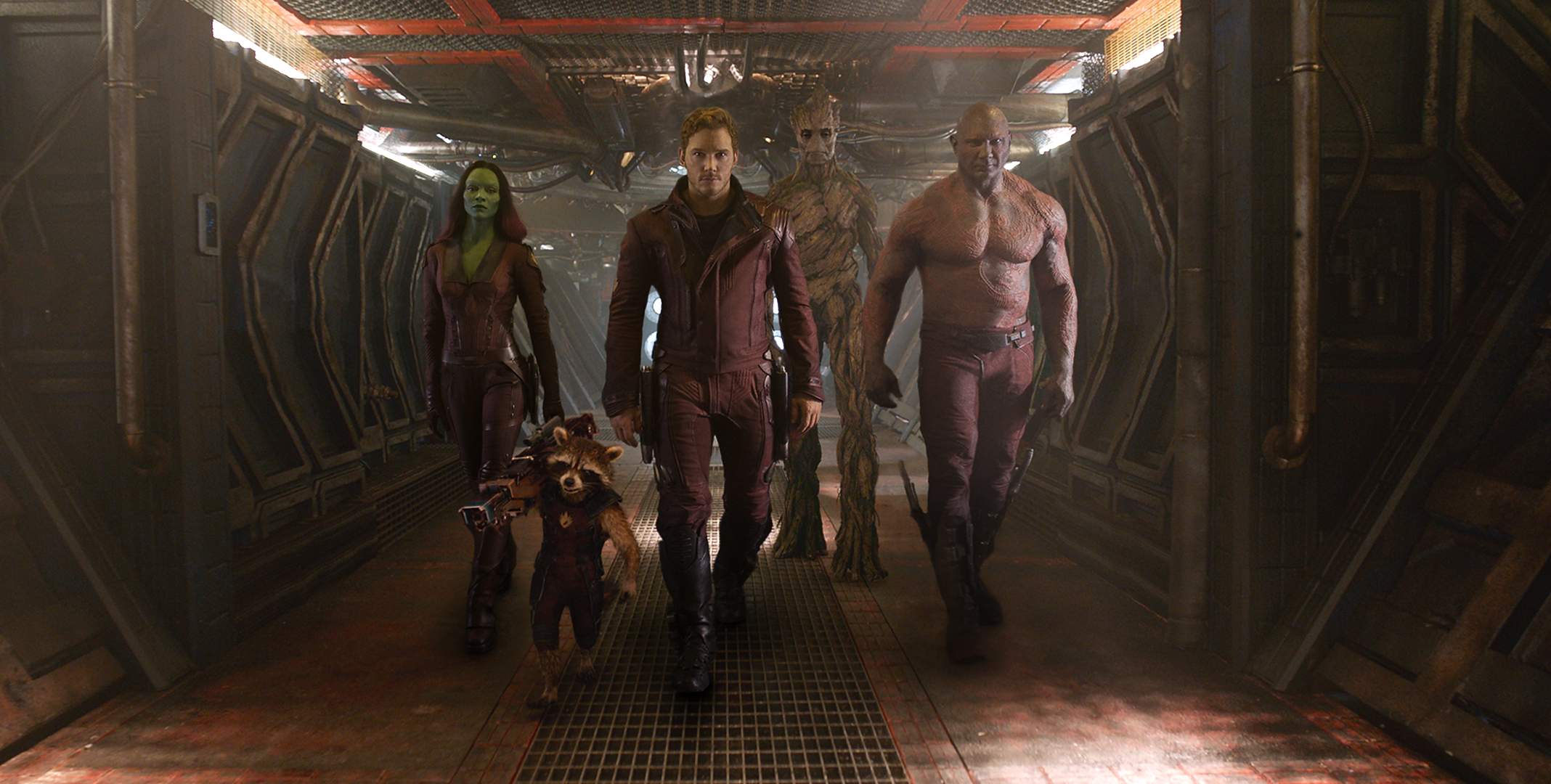
Guardians of the Galaxy - Cast

Images credit: IMP Awards, Collider

Images copyright (©): Walt Disney Studios Motion Pictures

Runner Runner (2013)

★★

Runner Runner PosterDirector: Brad Furman

Release Date: September 27th, 2013 (UK); October 4th, 2013 (US)

Genre: Crime; Drama; Thriller

Starring: Justin Timberlake, Ben Affleck, Gemma Arterton

At some point near the beginning of Runner Runner, Justin Timberlake’s snappy student Richie Furst says, “Make no mistake, if you’re betting something, you’re gambling”. In this solitary sentence the character sums up the film within which he aimlessly meanders. It’s such a throwaway line, one that is so obvious it becomes irrelevant. Much like the whole of Brad Furman’s utterly conventional outing. But more than that, the words resonate with truth. Runner Runner isn’t betting on anything other than the knowledge that its audience is well-versed in poker lingo. There is no gambling going on here, only playing it safe. And safety is really boring.

Having blown his big break in Wall Street, Richie Furst (Justin Timberlake) is now ploughing his way through college. Unable to afford the master’s jump, Richie gambles all of his savings in a game of online poker and comes up short. Though, it turns out he’s been conned by Ivan Block (Ben Affleck), a rich business tycoon whom Richie endeavours to tell off in Costa Rica.

For a film centred on gambling — a concept pillared by unpredictability — Runner Runner is endlessly predictable. It relies on cheap normalities more often than not, and subsequently fails to sizzle in any way. Proceedings kick-off with yet another montage comprised of news reports, an introductory method that is becoming increasingly common in contemporary cinema. It’s too easy. Writing partners Brian Koppelman and David Levien contribute a screenplay bereft of originality and stained by familiarity; we watch the typical story of a guy with a gift (this time it’s intellect) who decides to throw everything away by dabbling in unethical stuff. Where does this bustling need to be edgy come from? A troubled parent of course (this time it’s the father), a dad who lived beyond his means and not with his son’s best interests at heart.

We struggle to engage with the film then, primarily due to the trampled road down which it blindly ventures, and behind many better pieces that have gone before. Timberlake himself has starred in a more focused slick-fest, The Social Network, a flick that Runner Runner seemingly aspires to be. That film had Aaron Sorkin’s witty script and David Fincher’s scintillating direction, whereas this would claw at the chance to boast half of the aforementioned duo’s inventiveness. Unless we’re quoting lines to demonstrate an incessantly plodding nature, the dialogue is severely unmemorable. It is a shame too, for a more enterprising approach might have made this a sleek addition to The Social Network or even Ocean’s Eleven brand. Yet, it’s not even on 21’s table.

And it is not as if the filmmakers aren’t trying to add a stand-out quality, they just frequently miss the mark. Richie wanders into a nightclub fairly early on where there is an obvious attempt to infuse events with style. Camera glued to the travelling student, an array of luminous colours give way to a myriad of energetic tunes. What should be glossy instead feels forced and unnatural. The moment is too music video-esque. In fact the whole presentation is laced with this sense of unimportance — chopping a few scenes wouldn’t make any difference. Nor would the addition of Kanye West miming lyrics to his new song.

When we’re not being bogged down by uneventful narrative, we’re still challenged to fend off relentless onslaughts of casino lingo. The entire opening poker scene is a verbal tennis match, Timberlake constantly serving to our body with language that is either too difficult to grasp or too boring to care about. Furman and company revel in the speech. As do their characters, who collectively spend large periods of time explaining the plot and, in doing so, don’t really condone gambling. Just the illegal side of it. Betting is an inherently negatively regarded activity, which presents a problem in so much as there is a resultant air of deceit that surrounds all of the characters from the start.

Ben Affleck is the one who phones it in most often. And who can blame him? Post-Argo, and probably still basking in that rich, dense frame of mind during filming, it is no wonder that he gives off the impression of someone memorising and then robotically regurgitating lines. He plays Ivan Block. Block calls his boat ‘The House’ because “the house always wins”. He’s a millionaire. Even the imperiously charismatic Justin Timberlake’s attempts to overcome the dreary script are unfounded. His character is a bit rubbish too — Richie is so desperate to gain a master’s degree that he gambles away all of his tuition money and then leaves college forever. When the filmmakers remember she is on the payroll, Gemma Arterton appears. Like the others she’s much better than the stinker of a role afforded to her, but Arterton does make an effort and is quite amiable.

Runner Runner is an intuition vacuum. By the time any shallow complexities begin we’ve been too dazed by convention and a superfluous insistence on casino-tongue to figure anything out. It’s not necessarily a badly made film, or even a bad film at all. It’s just really dull.

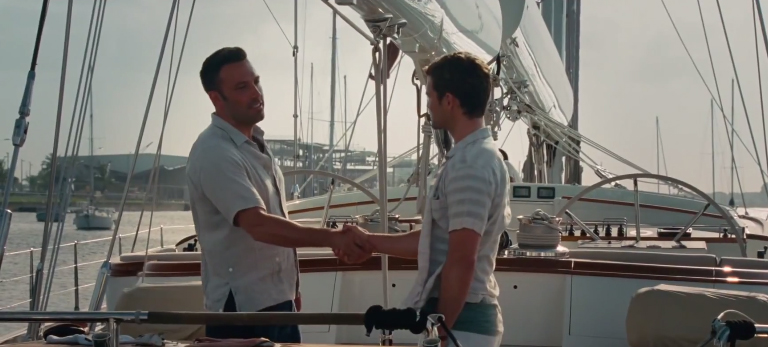
Runner Runner - Ben and Justin

Images credit: IMP Awards, Collider

Images copyright (©): 20th Century Fox

Out of the Furnace (2014)

Out of the Furnace PosterDirector: Scott Cooper

Release Date: December 6th, 2013 (US); January 29th, 2014 (UK)

Genre: Crime; Drama; Thriller

Starring: Christian Bale, Casey Affleck, Woody Harrelson

Scott Cooper’s film tells the story of two brothers left short-handed by the frankness of life, but more specifically it’s a look into the psyche of one sibling, Christian Bale’s Russell, emotionally shot and physically trapped. Out of the Furnace itself received a rough ride upon release. The cast, wasted, supersede the inefficiently constructed narrative, seemed to be the most common argument. It’s too slow, too poorly paced. Quite the opposite. The film is marvellously paced and the narrative is steeped in authentic poignancy. Sure the screenplay would benefit from a dose of balance, but Out of the Furnace is not a missed opportunity. It’s a really, really good piece of cinema.

A heart-on-sleeve type of guy, Russell Baze (Christian Bale) works three jobs. Aside from earning a meagre living at the nearby mill — the same one that has rendered his father incapacitated — Russell cares for his ailing dad whilst also attempting to keep his younger brother’s mind straight. Rodney is a solider whose deployments to Iraq are as scattered as the head on his shoulders. The brothers just about get by, but their lives are quickly shattered when a horrific accident suddenly opens demon-infested floodgates.

Realism seeps into every frame, every projected wooden crevice. We’re slap-bang in the centre of a hereditary coal and steel town, North Braddock, Pennsylvania and the camera rams this home. A huge factory is often shown looming in the background, the greyish smoke pillowing skyward a constant reminder of toxicity and waste. It hosts the eponymous furnace and endeavours to promote the air of struggle of its nearby citizens, but also their honest willingness to work. Already we’re drawn to Russell who embodies this mentality, a grafter by trade. Masanobu Takayanagi’s cinematography is musky — you’d be forgiven for any eye-rubbing to remove dust — and perfectly captures the mood of the town; filled with hard labourers and harder folk. It screams ‘get me out of here’.

Russell is a hearty soul, a trait that beams as he interacts with those close to him. Lena is his girlfriend at the beginning and their playfulness is infectious. Uncle Gerald, or ‘Red’, is another whom we watch engage positively with Russell. But it’s the latter’s relationship with his wayward brother Rodney that’s most genuine. They share an at times awkward yet always nurturing bond, one that is believable partly due to how Bale and Casey Affleck play it, but we’re also convinced by the harshness of reality and their subsequent eternal earnestness as a duo. Not much is going according to plan but these two remain decent guys with admirable qualities who are not impervious to the odd mistake. (Some mistakes very serious — Scott Cooper doesn’t shirk away from complexity).

Existing subserviently in manner but not meaning to this sibling relationships is Russell’s own personal battle with day-to-day existence. He’s mentally more mature than his brother; at one point it’s suggested that Rodney “might be safer over in Iraq” than wandering the chalky streets of North Braddock. The screenplay simmers patiently, as does Cooper’s precise direction, allowing us to connect with Russell and his unluckiness. But even as pillar after pillar collapses in the manual worker’s life, we’re afforded the chance to acknowledge the sincerity of each problem because they’re all completely applicable within the prevailing context.

In Russell, Cooper revives the teetering tragedy of Crazy Heart’s Otis Blake. In some ways the two mirror each other: in their jobs, slaving away without much financial reward; in their protectiveness, one for a son he never had and one for a brother he fears losing; in their mentality, both close to defeat yet deeply defiant and inspired by externalities. Out of the Furnace is the director’s second character study of two and is equally as effective as the first. The camera likes to linger on glances and facial expressions — not Russell’s exclusively — and so we’re able to feed off of each characters’ strained thoughts and the cast’s wholesome portrayals.

Christian Bale does for Casey Affleck here what Mark Wahlberg done for Bale in The Fighter. He underplays the performance, clearing room for Affleck’s hysterics. These range from anxiously proud to uncomfortably harrowing, but are consistently sterling. Bale’s is certainly the toughest role because restraint is absolutely key. He nails it. However, as Rodney, Affleck is stand out performer. Which is some feat considering the truly excellent efforts relayed by the remaining cast members. Woody Harrelson appears as Harlan DeGroat, an invasive and psychotic drug dealer whom Rodney owns money to. Harrelson’s recruitment is a great choice, his character a real baddie. A grizzled, rugged no good son of a bitch. Zoe Saldana, Forest Whitaker and Willem Dafoe complete the star-studded selection and the trio each donate valid performances.

If there is a fault to be picked and presented, it’s the unfortunate imbalance in narrative. The runtime is fine at almost two hours, but over half of that is enlisted as set up leaving only around 50 minutes for retaliation. The problem is not catastrophic — it likely would be in lesser hands — but it does dent an otherwise foolproof outing, incurring unevenness as opposed to equity. In an attempt to disguise the issue, we’re subject to interplayed cuts between scenes that actually do end up harmonising well together.

Out of the Furnace is another winning film from Scott Cooper. It’s worth pointing out the effective soundtrack that shifts between a Western twang and a mellow ambience, and one that is capped off by Pearl Jam’s Release. For that’s what the piece is all about, release. A very sombre picture with sporadic healing tendencies — though not enough — it is the recognisable mundaneness that really hits home.

Rating: 4 (White)

Out of the Furnace - Bale

Images credit: IMP Awards, Collider

Images copyright (©): Relativity Media

Independence Day (1996)

★★★

Independence Day PosterDirector: Roland Emmerich

Release Date: July 3rd, 1996 (US); August 9th, 1996 (UK)

Genre: Action; Adventure; Science-fiction

Starring: Will Smith, Jeff Goldblum, Bill Pullman

Two years before his monstrous monstrosity Godzilla, Roland Emmerich hit the streets of Washington DC to tackle an alien invasion. Time — and a great deal more effort — would go on to prove extraterrestrial superiority over the giant lizard, though that’s not a particularly astounding declaration. Just how effective is Independence Day? If popcorn-munching and Coke Zero-slurping is your kind of thing then the global disaster flick works a treat. Don’t expect any intellectual poise for there’s hardly an ounce to be had. But that’s not a problem — you wouldn’t show up to Comic-Con looking for a Jane Eyre panel. Emmerich zaps many of the right notes here and, despite the modern datedness of a visual palette once heralded as ground breaking, Independence Day cajoles along boisterously.

The unexpected arrival of alien spaceships only a few days premature of July 4th sends the United States into disarray. Major cities are under immediate threat causing the peoples within them to scatter. With less than a spoonful of hope to consume, President Thomas J. Whitmore (Bill Pullman) finds himself seeking aid from somewhat unconventional sources; specifically, ambitious pilot Steven Hiller (Will Smith) and nutty computer expert David Levinson (Jeff Goldblum).

Technology finds its way into the heart of on-screen antics more often than not. Alien or otherwise, this is sort of a love letter to technological innovation. The grandiose ships planted neatly above cityscapes not only hover with pristine accuracy, they also completely wipe out the land below with bellowing power. It’s technological warfare and the otherworldly beings have the upper hand, even when it comes to pertinent human made artefacts. (“They’re using our satellites against us.”)

But this appreciation of and for innovation speaks to a higher purpose relayed across the exceedingly long two and a half hours. Though the implementation is fairly blasé in terms of a ponderous deficit in depth, the film does propose the age-old alien versus human musing that has captured the imagination of pop culture since Neil Armstrong and of cinema since Stanley Kubrick, more or less. Emmerich and co-writer Dean Devlin’s script struggles to delve anywhere past the glossy surface — in truth, it can be really glossy — but the vigilant thinkers amongst us are still able to briefly consider some interesting possibilities as events roll across the screen.

Initially, we’re fed a distinct juxtaposition: disparate humans manifest, from the amusing to the serious to the disbelieving, whereas the stoic extraterrestrials are collectively brooding and sophisticated. It’s not until further down the heavily destroyed road that similarities strike; aliens, though technologically adept, can be just as frail as humanity. The suggestion of familiarity is intriguing but it doesn’t receive enough focus to fully unravel.

That’s because Independence Day rockets along with energy and sappy joy. Let’s be honest: the President’s Independence Day speech is amiably absurd, even more so than preceding the alien invasion. (“Perhaps it’s fate that today is the Fourth of July, and you will once again be fighting for our freedom.”) This mightn’t boast the scholarly prowess of a 2001 or even the tingling tension of an Alien, but it does come armed with fun and humour. Maybe it’s simply the childhood beer-goggles still clouding my judgement 15 years on, however it seems like the 90s was a time for chaos and frantic comedy on the silver screen. I’m thinking Space Jam. Jurassic Park. Home Alone. These films each share the same semblance of bumbling pandemonium as Independence Day, a trait that is rather infectious.

Admittedly, it is true that the quartet of aforementioned films come equipped with the stock aloof goof. We’ve essentially got two here, though Jeff Goldblum’s David Levinson is a tad more measured than his father Julius. (“‘All you need is love’ — John Lennon, smart man… shot in the back.”) The two bounce off each other with amusing distrust yet above the familial cabin fever, they’re a healthy duo and probably the best characters. Will Smith is as charismatic as ever, it’s the lack of well-roundedness that lets him down. His character Steven Hiller, along with most others, suffers from genericism syndrome. At least the guys fare better than the girls, the few of whom don’t have an awful lot to do.

Granted, this isn’t a spectacular examination of the human psyche or anything, it’s pure entertainment with a spectacular visual array. Unfortunately almost 20 years has passed and this once award winning ocular jigsaw has become penetrable. There are a number of clunky moments — the tunnel fireball stands out — but it’d be unfair to criticise a film for ageing.

One area that ought to attract some denunciation though is the prevailing lack of threat, an element that is sorely needed in order to usher in the full effect of disaster. There’s hardly any depth to the story, nor is there any strand of worry interwoven throughout proceedings which is odd given we watch the decimation of huge cities. Personal anxiety should arise, but never really does. Exposing the audience to so much carnage early on sanitises the remainder of the film — we know the worst has come and gone and the characters themselves aren’t really worth investing in, thus there is no obvious agent of emotion to clutch dearly.

Nevertheless, that is not Independence Day’s primary prerogative. Emmerich directs a film that should command greater emotional gravitas given the velocity of proceedings, but when push comes to shove this does what it sets out to do with exuberance and laughter. In fairness, compared to Godzilla, this is Citizen Kane.

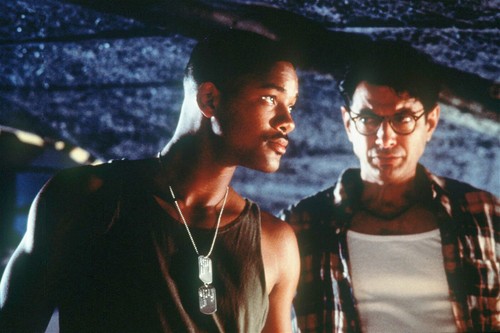
Independence Day - Smith and Goldblum

Images credit: IMP Awards, Collider

Images copyright (©): 20th Century Fox

Top 10 Films of 2014 (January-July)

Apart from serving as a stark and somewhat worrying reminder about university work that I’ve not yet completed but absolutely should have, August is also the last month of summer blockbuster season. I’ve no idea why that’s relevant. Here are my top 10 films of the calendar year thus far. UK release dates. It’s about a month late.

We all love lists though, so I hope you fine folks’ll forgive me.

10. X-Men: Days of Future Past

Bryan Singer guides the X-Men franchise back to form with a rip-roaring circus act made up of mind bending time travel, slow motion wall-running and Wolverine being Wolverine. Days of Future Past manages its cast supremely well – even the underused Evan Peters is magnetic. Though, not Magneto. He could be. That joke wasn’t even planned.

DoFP - McAvoy

9. Calvary

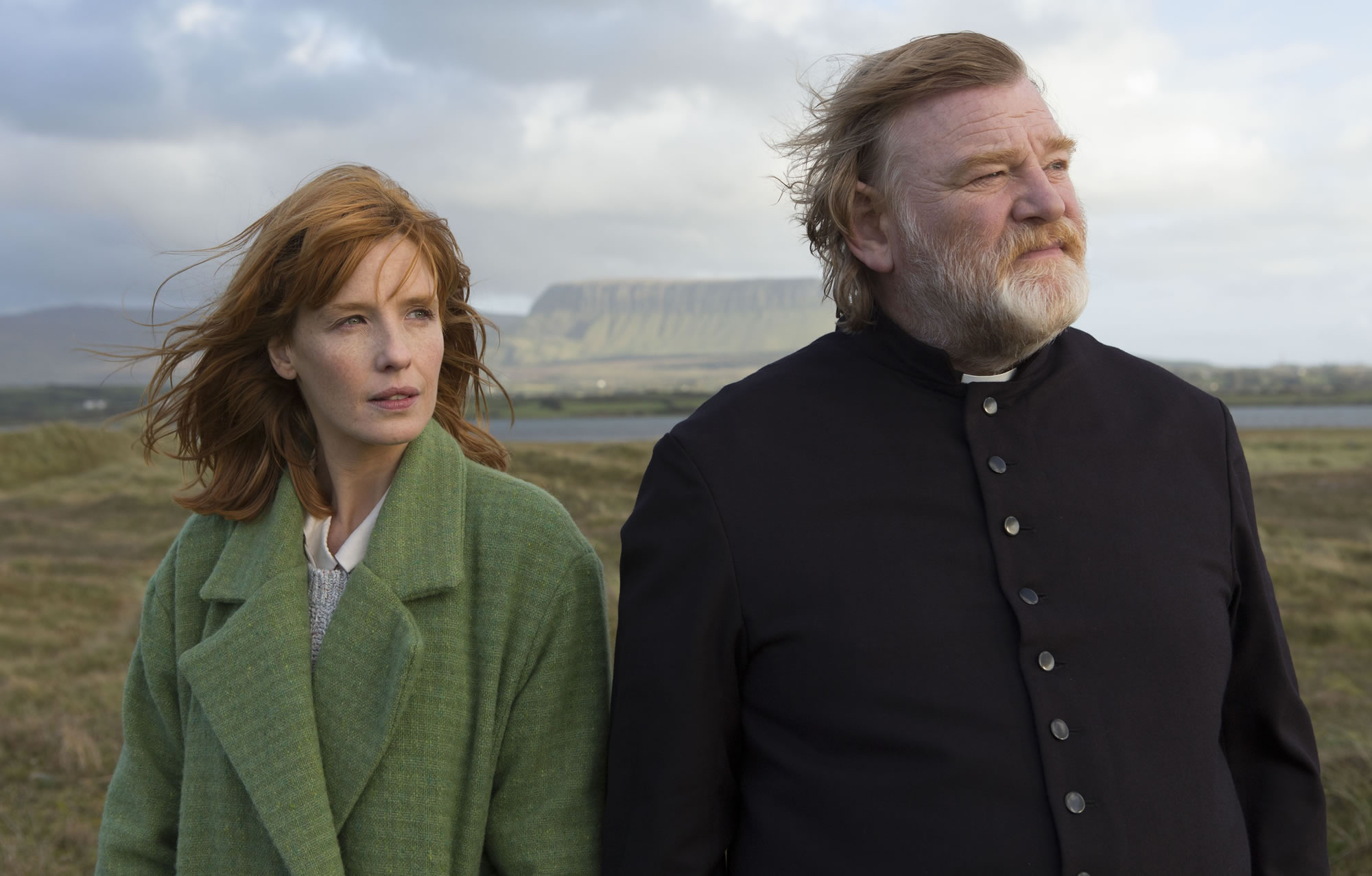
Brendan Gleeson both runs and steals the show as Father James Lavelle in a film that plays its cards from the get-go, before promoting a townsfolk guessing game as darkly entertaining and intriguing as any before. The screenplay evolves as characters unravel and, through Father James, we become an integral part of it all.

Calvary - Gleeson and Reilly

8. The Lego Movie

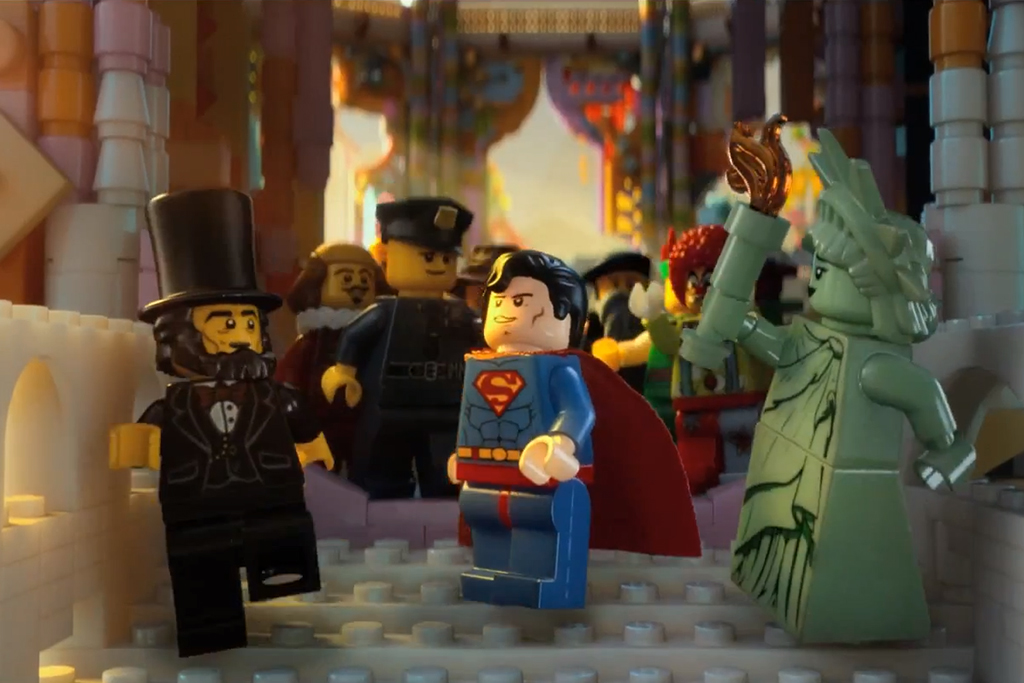
Everything is awesome! And hilarious. And energetic. And utterly batty. A flick that proudly flaunts something for everyone, The Lego Movie is non-stop from start until finish; the incessant stream of laughter that spills from our mouths makes it difficult to regain control of breathing. The film ain’t perfect but when things are this gleefully mental, it doesn’t need to be.

The Lego Movie - Icons

7. Locke

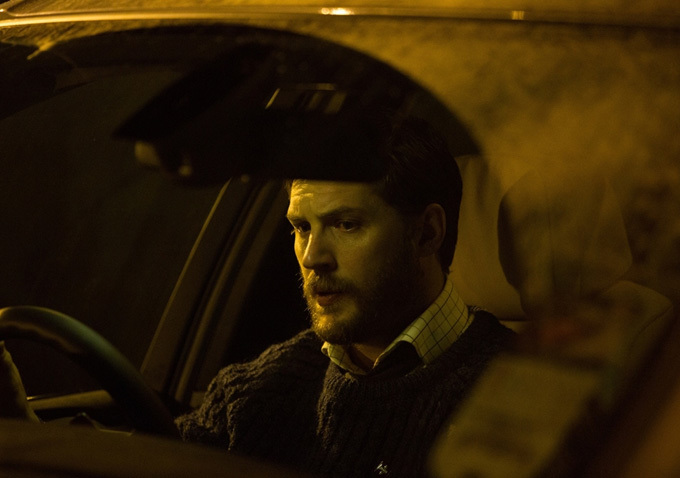
For 85 minutes we sit in a car with Tom Hardy and for 85 minutes Tom Hardy magnificently transforms into an ordinary guy bearing a portfolio of problems, each one weightier than the previous. Locke is a moment in time driven by authentic normality that’s incredibly hard to come by on film.

Locke - Hardy in Car

6. Edge of Tomorrow

Doug Liman’s sci-fi extravaganza is even more than that: it’s startlingly funny, unconditionally engaging and the only film I’ve seen twice at the cinema this year. Tom Cruise flips perception on its head, but Emily Blunt is the one who kicks most ass. Edge of Tomorrow is summer popcorn cinema done intelligently. The correct way.

Edge of Tomorrow - Blunt

5. Captain America: The Winter Soldier

Hailed as more than simply one of Marvel’s superhero jaunts, The Winter Soldier captures a variety of interests. There’s both a political tinge and an espionage strand to go along with the familiar genre narrative, and these additions work. Chris Evans unveils his best performance as the Cap’n in a film that is considered by many to be the best Marvel output to date. Honestly.

Captain America The Winter Soldier - Captain

4. Dawn of the Planet of the Apes

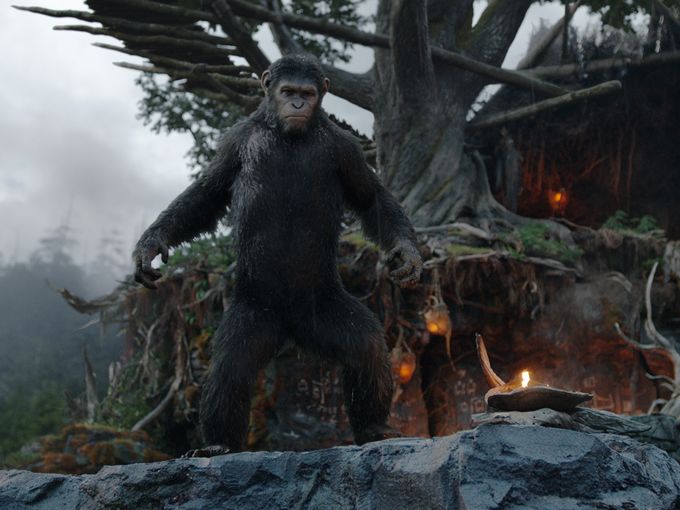
Dawn grabs the impressive progress made in Rise and swings to new, greater heights. The tone is more wrought and the outlook is increasingly bleak but, from acting to visuality, the execution is wholly sublime. To simplify Matt Reeves’ flick as the best looking film in a generation would be to do it a disservice. It is, but Dawn also boasts a fulfilling and rewarding foundation.

Dawn of the Planet of the Apes - Caesar and Mate

3. Inside Llewyn Davis

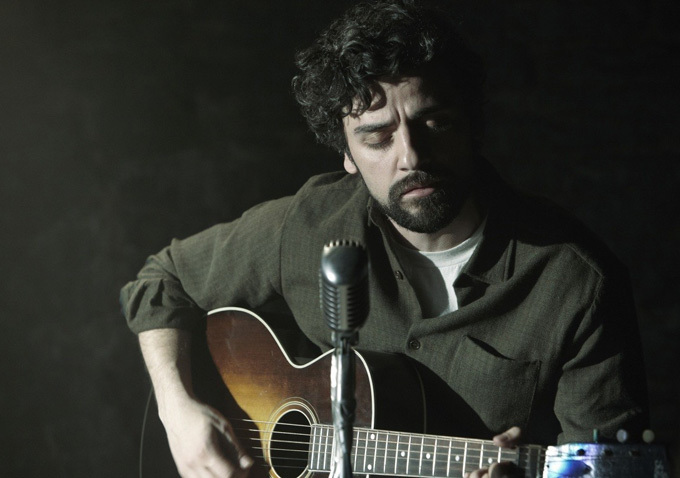
From smoky bars to icy streets, there’s no escaping the genuine purity of the Coen brothers’ folk piece. Its screenplay is morbidly delightful, and Oscar Isaac is a walking manifestation of just that. Llewyn is a bit of an ass yet we root for him. Peculiarly, and perhaps it’s just me, despite his downtrodden unluckiness we want to be him. Then again, it might simply be the allure of this latest Coen tale.

Inside Llewyn Davis - Oscar Isaac Guitar

2. 12 Years a Slave

Formally recognised as 2013’s best film, 12 Years a Slave hit UK cinemas in January of this year. It’s inarguably the toughest piece on this particular list, and is certainly one of the most gruelling watches in recent memory. Not only is Steve McQueen’s retelling of the harrowing slave trade important, but it’s also incredibly well delivered. People should see this because it depicts a vile chapter that ought to be bookmarked as a warning to humanity.

12 Years a Slave - Ejiofor

1. Blue Ruin

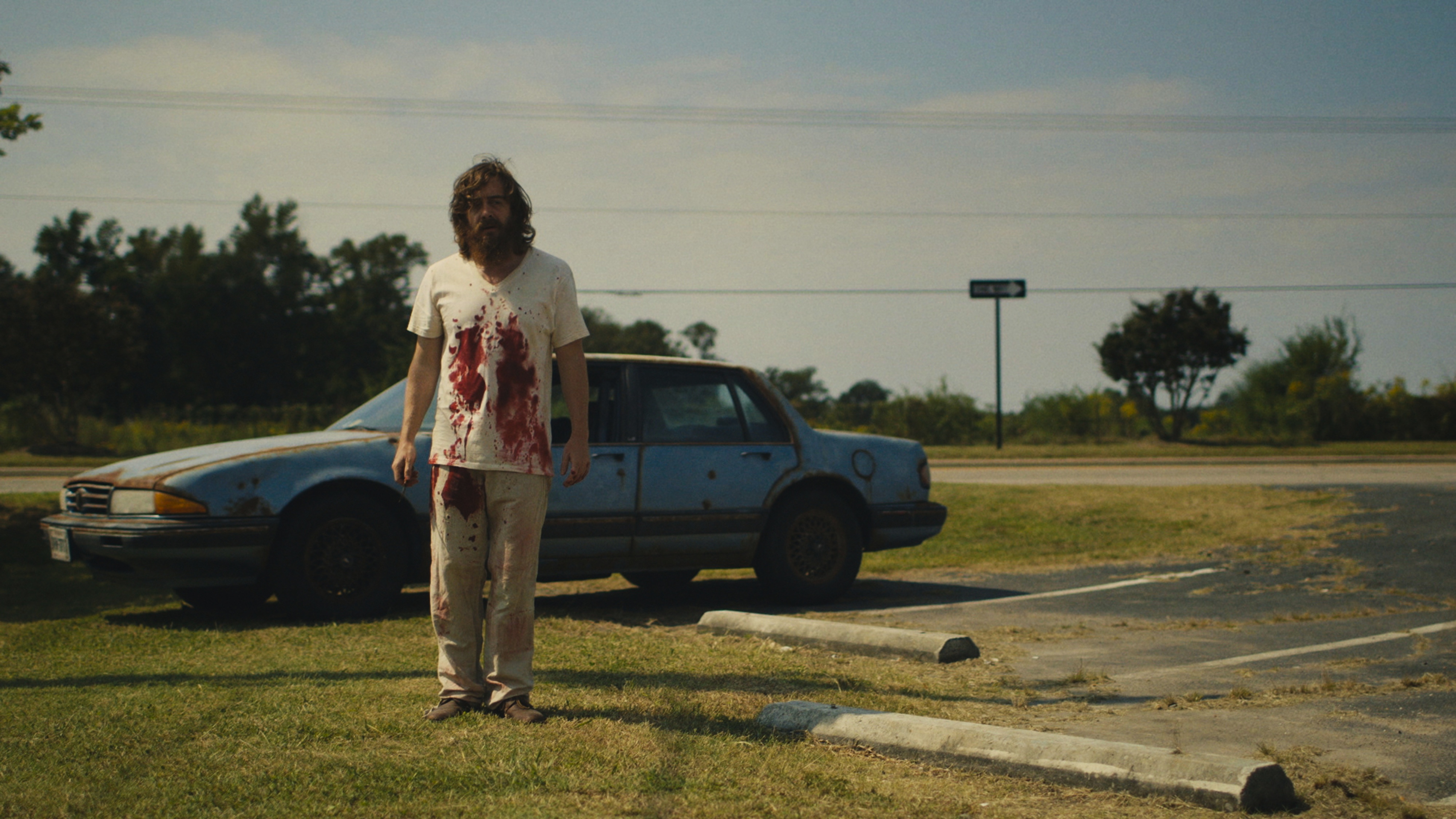
Though it’s not as heavy as 12 Years a Slave, or as furnished as Inside Llewyn Davis, or as visually striking as Dawn of the Planet of the Apes, Blue Ruin comes nail-bitingly close each time. This is simple storytelling relayed with a restrained confidence and wholesome purpose, and there’s even a tremendous lead performance from Macon Blair to cap it all off. It’s just brilliant.

Blue Ruin - Blair Distance

I’m off to read about the geopolitics of Hollywood.

Images credit: Collider

Images copyright (©): 20th Century Fox, Entertainment One, Warner Bros, A24, Walt Disney Studios, CBS Films

Dawn of the Planet of the Apes (2014)

★★★★★

Dawn of the Planet of the Apes PosterDirector: Matt Reeves

Release Date: July 11th, 2014 (US); July 17th, 2014 (UK)

Genre: Action; Drama; Science-fiction

Starring: Andy Serkis, Jason Clarke, Gary Oldman, Keri Russell

It’s always darkest before the dawn, or so the saying goes. Well, if Matt Reeves’ film is the culmination of a dawning ape species, then said saying is spot on. Dawn of the Planet of the Apes — we’ll stick to Dawn from now on — is frequently unsettling. Coalescing magnificently with arguably the best-looking visual palette since Middle Earth (every raindrop on fur is accounted for) is a story that sizzles with poise and acute direction. When the lesser of the film’s two halves is still approaching five stars, you know there is a winner playing out on screen.

Rise was a deft and engaging prelude that focused keenly on human-animal relations and biological moralities, but Dawn is more than that. Those traits are still prevalent of course, however Reeves invokes an emotional core by affording his actors the chance to tell a story. And whether it is the ping of Michael Giacchino’s score or the rugged outlook purveyed by Michael Seresin’s cinematography, it’s clear we are back in familiar territory. Apes fans rejoice. Apes newbies prepare. All eyes on the next branch, this one is swinging straight back to 1968.

A decade has passed since the fall of humankind due to viral infection. In San Francisco, a group of seemingly immune people have merged in an attempt to reignite the flame of civilisation, but this uprising is severely threatened when a few of the survivors inadvertently set foot in a developed ape colony. Caesar (Andy Serkis) is colony’s conscience-driven leader who hopes for peace, something that the two separate cultures may never be able to attain.

Fraught with tension, Dawn relentlessly teases a monumental clash. The contrast between two societies — apes and humans — is startling yet not unfamiliar. For better or worse, we watch as a total role reversal unfolds: people live hidden away with basic supplies, whereas apes roam landscapes carrying out practices akin to those originally implemented by human beings. They hunt. They safeguard. They educate. They even wear protective face masks during birth. Armed with subtitled grunts filling in for words, the opening quarter of an hour details this thriving lifestyle as it lulls us into a rhythm of admiration. The following gunshot that dully interrupts with immediacy not only acts as a wedge between life sources, it also represents their inability to coexist.

It takes human intervention to negatively hamper the structure of being that has been mustered by these hominoids. Dawn, then, is a cautionary parable about the disease of humanity; once we infect, we destroy. Reeves tactfully employs this overarching theme — the various characters on both sides of the Golden Gate Bridge openly discuss the merits and demerits of war, necessary primarily due to our own invasive attitude. (“Fear makes others follow.”) As the analysis plays out on screen we’re challenged to weigh up combat as a fundamental prerequisite. Is it? Reeves is firmly in the camp that denounces war and its resultant mess, and it’s hard to argue when his presentation is so compellingly and affectingly relayed. No issues arise when the script occasionally hints at predictability because of the hearty motifs and strands that weave throughout.

In fact, Dawn is all the more interesting because it is about the apes. They are the beginning, middle and end. Unlike Rise — which rightly honed in on human beings and their attempt to control animals — this second instalment sheds more light and dark on ape life. Given this, we’re allocated far more time to see the intricacies of the primate’s in-house relations and potential fallouts. And so, Andy Serkis, the spotlight is yours. The actor famed for his consistently dazzling motion capture acrobatics once again vaults into the skin of Caesar, and subsequently groans out a career defining performance. Each sinew matters because Serkis is inclined to make each sinew matter. Though he plays Caesar with air of perpetual dominance (“Ape not kill ape”) Serkis’ humility shines through. To many he’s simply a voice with no face, that guy who done the thing as Gollum. I certainly wouldn’t begrudge any formal recognition headed his way. What he does is acting, plain and simple. Utterly brilliant, too, and this role is his reward. It’s also ours.

Serkis’ powerful performance is made all the more tantalising by way of Dawn’s visuality. The film looks incredible. Motion capture settles into its surroundings as well as ever and the attention to detail routinely impresses. The apes might as well be authentic, drafted in from Hollywood’s premier acting zoo. San Francisco manifests gloomily, mirroring the prevailing mood of both the narrative and the characters involved. Reeves also harkens back to the tremor-like scariness of two previous outings, Cloverfield and Let Me In, by letting proceedings breathe a foreboding breath or two — the film’s curtain jerker is a genuinely ominous hunting scene. Mature heads also prevail when it comes to violence, which isn’t common, therefore smatterings of red spring with greater gravitas.

Toby Kebbell is Koba, Caesar’s second-in-command. The Brit’s mannerisms are so convincing that you’d be forgiven for thinking Koba is another Serkis creation. On the human front, Gary Oldman’s Dreyfus is the most captivating character. He’s a staunch defender of stretching ethical limits in order to prevail and, despite being fed a little less screen time than other major players, Oldman effectively channels his persona’s mindset. Jason Clarke lands the James Franco role as the human whom Caesar develops a bond with. The Aussie’s efforts are admirable and, more often than not, sufficiently potent.

Dawn, then, is one of 2014’s best films thus far. This reboot of the Apes franchise may yet prove to be a mightily formidable cinematic set once complete, but for now we can at least bide our time equipped with the knowledge that, as a standalone piece, part two has already achieved a status of grandiosity.

Bravo.

Dawn of the Planet of the Apes - Caesar

Images credit: IMP Awards, Collider

Images copyright (c): 20th Century Fox

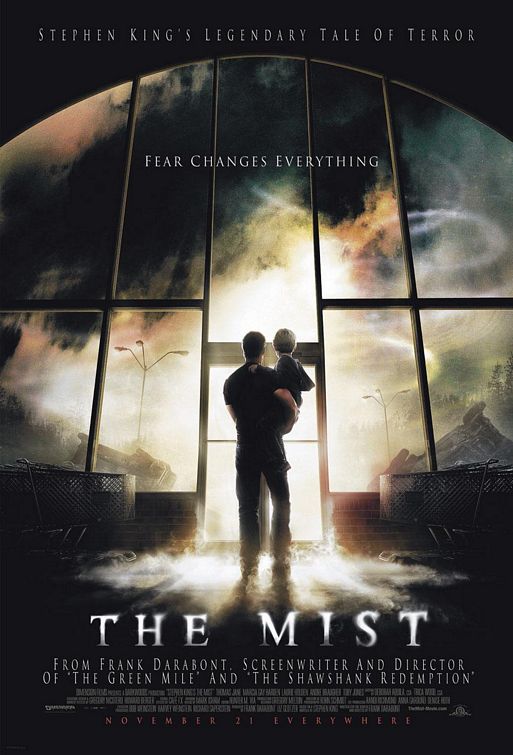
The Mist (2007)

★★★★

The Mist PosterDirector: Frank Darabont

Release Date: November 21st, 2007 (US); July 4th, 2008 (UK)

Genre: Horror; Science-fiction; Thriller

Starring: Thomas Jane, Laurie Holden, Marcia Gay Harden, Toby Jones

The Mist trundles along quite tediously throughout its opening 10 minutes. The acting is overplayed and stodgy, relationships are too obvious and the dialogue is half way towards egregious. Then we head into town, to the supermarket, where Toby Jones appears and everything subsequently kicks off. Mr. Jones probably isn’t the reason for the immediate turn around in quality, though I’d be willing to bet he is part of it. Rather, it’s Frank Darabont’s screenplay that ushers forth this change. Those first few scenes were likely crummy on purpose, as a means to lure us into a false sense of security. Because otherwise there’s no security here. Things get worse before getting worse still. The Mist fails to attain horror perfection but what it does do is generate a very authentic sense of social familiarity surrounded by science-fiction monstrosities. And that is impressive.

After a freak storm runs rampant in a small town, various residents decide to visit the local supermarket and stock up on supplies. Among them are David Drayton (Thomas Jane) and his son Billy (Nathan Gamble), however their grocery trip soon devolves into chaos as danger-infested mist sweeps across the area. The group now trapped and anxious, it soon becomes clear that the mist isn’t the only simmering menace.

Before the crisis has grown legs, we dip in and out of numerous brief conversations that take place around the supermarket. It’s akin to a smattering of personality tastings, writer and director Frank Darabont teasing us with the potential for clashes that may or may not arise. Shortly thereafter, a warning klaxon moans out with a distressing echo and a bloody-faced man runs maniacally into the store. (“Something in the mist!”) This sequence is an excellent preparatory slice that establishes the tone going forward: brooding and culturally influenced. See, though this is an outstanding horror candidate, it’s not necessarily scary because of the fog or the monsters that roam inside. The Mist is frightening due to its stark portrayal of humanity come undone. Just how far will humankind plunge in its most testing moment?

The populace picture that follows isn’t exactly pristine; what threatens to simply be a scare-fest swiftly matures into a community drama driven by the unravelling of social status feuds. The supermarket houses a wide range of contrasting citizens, some characters amped up to 11 but all recognisable nonetheless. Debates slowly simmer before raging on with a high intensity and it is the product of these disagreements that horrifies us. Darabont’s screenplay adeptly includes religion, politics and class — they’re all in here. Whilst the religious element frequently takes a front seat, the director skilfully navigates any possible obstacles of audience alienation by placing utmost focus on the people. Though religion is the vehicle for hate, it’s not the agent. Humanity is, and this is an attack on folk being bad within the context of desperation. Collective counterculture in its most horrendous form.

What we have then is a patient and precise narrative, one that knows when to reveal and when to refrain. Fairly early on, we worry that the monster in the mist has been unveiled too soon, a worry that quickly proves to be unjustified. The aliens aren’t necessarily the issue. In some ways the mist is a metaphor for the cloudiness of humanity; enter the swelling smog and things can only get worse, or avoid it — in other words, promote honesty amongst your peers — and life will be alright. Toby Jones’ Ollie says it best: “As a species we’re fundamentally insane. Put more than two of us in a room, we pick sides and start dreaming up reasons to kill one another. Why do you think we invented politics and religion?”

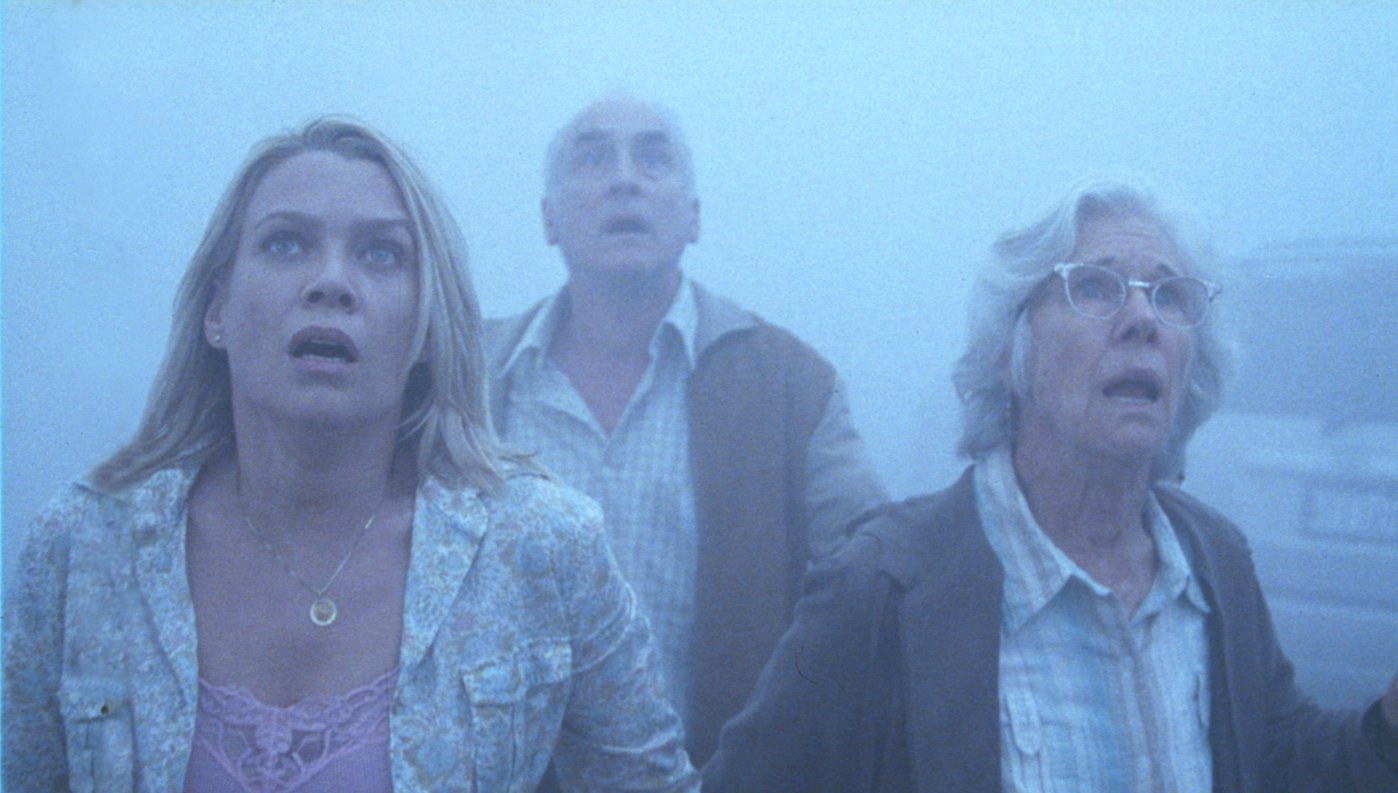
Jones is really good. His character is the most normal, a typical assistant manager who’s a tad overweight and generous with his time. He strikes up an alliance with Thomas Jane’s painter David and a number of other hopeful victims. Jane is a solid lead on the journey, so much so that his dependability factor is eventually usurped by a genuinely powerful emotional outburst. Laurie Holden plays primary school teacher Amanda, her relationship with David one that hints at romance without ever acting upon anything. It is worth pointing out the lack of romance throughout the film: aside from a speedily adjourned kiss there’s none to be had, perhaps another indication of the overarching negative vibe. The most effective performance emanates from Marcia Gay Harden as local religious nut Mrs. Carmody. Harden throws herself full pelt into the role, as someone who degenerates from harmlessly deranged to eerily psychotic to absurdly vile. Although there are a large number of peripheral characters, the potency of a few outweighs the flimsiness of many.

On a technical level, The Mist is efficiently purveyed. Rohn Schmidt’s cinematography shows traces of his work on The Walking Dead (ironically, he’s only one of many here who would eventually swap mist for zombies) and reflects the terror of events succinctly. It’s sufficiently gory without being too upfront, and the alien creatures look rather impressive. The camera makes an effort too, its aggressive movements creating a very chaotic atmosphere. On the other hand music hardly conjures a bar, Darabont instead finding solace in silence and substantial dialogue.

Having said that, the implementation of Dead Can Dance’s “The Host of Seraphim” to hauntingly serenade the film’s final scene is an inspired decision. Much has been made about The Mist’s conclusion. In brief, the ending works. It’s real life, if real life involved aliens and hopelessness. Admirably — and somewhat horrendously — there is no shirking away. But the less said about it the better.

The Mist currently stands as Frank Darabont’s last directorial effort and it’s a worthy swan song. This should come as no surprise given the filmmaker’s track record — The Shawshank Redemption and The Green Mile, to name but a few. The Mist is a methodological piece, one that unfolds with great purpose and honesty. It might encase humanity in an exceedingly gloomy shell, but in the dire circumstances presented who’s to say that this forecast is unfounded?

The Mist - Laurie Holden

Images credit: IMP Awards, Horrorphile

Images copyright (©): Metro-Goldwyn-Mayer, Dimension Films

The Dirties (2013)

★★

The Dirties PosterDirector: Matt Johnson

Release Date: October 4th, 2013 (US limited)

Genre: Drama

Starring: Matt Johnson, Owen Williams

His intentions are clear. Director Matt Johnson wants to create a film that tackles one of society’s most abhorrent problems, school shootings, in a way that is both original and impactful. He presents his piece as a documentary within a documentary; he and co-star Owen Williams’ first names mirror those of their respective characters; Johnson even looks to include elements of comedy, perhaps hoping that these moments will divert our attention away from more pressing matters just long enough for the film to cushion itself with added shock. None of it works. The Dirties severely lacks coherence, but that’s not the primary nuisance. Johnson and company probably don’t set out to be insensitive. Unfortunately, their film teeters unceremoniously along that edge.

A couple of high school mates decide to make a documentary about The Dirties, a group of bullies who terrorise their school. Matt (Matt Johnson) and Owen (Owen Williams) bear the brunt of The Dirties’ abusive behaviour and, when their film is ridiculed in class, one of them resultantly gains a dangerous thirst for revenge. The other, though, becomes increasingly wary of and alienated by his friend’s behaviour.

There’s only one endgame here, and we know of it after five minutes. In truth, we’re fully aware before the film even starts. It doesn’t matter where Matt and Owen are — in class, at a secluded shooting range, around a bonfire — the only notion that consistently wears on our mind is gun violence. More specifically, gun violence in school. An at times imperiously weighty subject, school shootings have become one of humankind’s most despicable and perplexing habits. It’s a clichéd proclamation but, in an age when trolls linger all over the internet and online connectivity dominates our lives, school is supposed to be safest place for a child. There’s absolutely no getting away from the horrible concept, particularly when it’s regularly regurgitated on screen. The Dirties fails for that reason. The film takes something bluntly tragic and tries to be overly meta. Subsequently, plot holes appear quicker than a bee to honey, devouring any potential progress. There’s too much going on — are we supposed to take the film as just that, an overtly fictional piece based on true events, or is it attempting to be real life, paraded in a false documentary format?

Seemingly, Johnson endeavours to veil the piece as the latter. Shouldn’t it be a tad more serious then? Of course, its central topic is one riddled with sombre importance, but this is something The Dirties struggles to maintain. This absence of earnestness is down to how the film is presented, often flavoured by comedy and exotic normality. The cameraman — who we’re essentially meant to discard as a credible human being — follows Matt and Owen around persistently and becomes an agent of humour. At one point Matt passes over the popcorn in a scene that seeks to induce amusement but instead only serves to remind us of the film’s inconceivability and, therefore, crassness. When Johnson recalls the gravity of his material, he reverts to a gratuitous display of foreshadowing involving a Columbine book. We see this book more than once, its third appearance unsettling for all the wrong reasons.

Kevin Smith, whose production company was involved in the release, referred to this as “the most important movie you will see all year”. Smith owns and runs a comic book store in his spare time and his connection to The Dirties is apt given the film’s numerous movie buff references. I get a kick out of correctly identifying film trivia as much as the next nerd, but that sort of thing shouldn’t be on the menu here. By this point nobody really seems to care though: the filmmakers start adjusting rules to suit their own needs rather than those of the subject at hand. “Out of respect for the victims and their families, the footage has not been altered in any way,” reads a statement at the beginning. Numerous musical overlays suggest otherwise.

Having looked at it from a real life documentary perspective, let’s now consider The Dirties as a fictional account. Which it is, obviously. The screenplay is littered with inconsistencies, none more prevalent than our two main characters. Even though one of them eventually snaps, we never get into the nitty-gritty of his transformation. In reality, both boys relay fairly consistent characteristics throughout: quite cheery and upbeat despite the bullying. The biggest nonsense of all though, is the aforementioned cameraman’s role. (Or cameramen — it’s possible there are two males). Aside from getting away with always filming during classes, the operator(s) does absolutely nothing to prevent the inevitable atrocities. Devoid of explanation, this is completely unforgivable and lazy on the part of both Johnson and his co-writer Matthew Miller.

Besides, as simply a film, The Dirties is actually quite boring. For the most part the lives of our leading protagonists aren’t all that eventful. Interactions with girls turn out to be mellow rather than awkward, and they both get along amiably with the teachers at their school. Humorous injections reverberate out of rhythm too. There’s no air of disquieting callousness — the subject matter itself is intrinsically worrisome, but the way it’s communicated isn’t.

The Dirties tries too hard to be different when all its topic of debate warrants is precision. In the end, our feelings on school gun violence are exactly the same as they were when the runtime set off: shootings are horrifying and deeply unsettling. Our feelings on overly ambitious pseudo-documentaries shaped flimsily around said hard-hitting matter? In sharp decline.

Though there are better, more thought-provoking films out there, it is worth commending Matt Johnson for his willingness to engage in such a polarising and difficult issue, particularly given this is his first jab at directing.

The Dirties - Owen and Matt

Images credit: IMP Awards, JoBlo

Images copyright (©): Phase 4 Films

Blogiversary Bash: Top 5 Leonardo DiCaprio Films

For those who might’ve missed it, I wrote an article for Cara’s joyous Blogiversary Bash: It’s my top five Leonardo DiCaprio films! He’s only one year short of the big four-oh, yet the Californian-born star already has a mightily impressive portfolio under his belt. His consistency in front of the camera is unwavering, which is quite a feat when you take into consideration the variety of roles DiCaprio has played; everything from a vile plantation owner, to an ill-fated artist, to aviation genius Howard Hughes.

Have a read if you’re interested, and be sure to check out the other excellent contributions too.

caragale's avatarSilver Screen Serenade

party corgi

Aaaaand we’re back with more Blogiversary Bash epicness! Today’s too-cool-for-school guest blogger? None other than Adam from Consumed by Film! Have you guys been to Adam’s site? If not, go there! Adam reviews films like a pro, and he’s got lots of great stuff to look through, so definitely check things out. Any ol’ who, Adam is here to talk about his favorite roles from a very talented actor.

View original post 883 more words