Top 10 Performances of 2015 — Actor

A rubbish film can bear great performances, but a great film can’t really bear rubbish performances. The actor, in many ways, is the bread and butter of motion picture creation. It is his or her job to take the prescribed raw materials (a screenplay, a set, a prop) and recalibrate those errant parts through personal experience and analytical understanding into a final, visceral product that audiences can — hopefully — relate to or engage with.

2015 was another tiptop year on the acting front, across the board. Mainstream movies, under the radar indie flicks, big budget creations, genre pieces — you name it and there was at least one performance of note. Now that said year has ended and we are hammering down the motorway towards awards season, I think it is worth reflecting on some of those excellent portrayals.

These are my top ten male performances of 2015 (five leading and five supporting). If you so desire, you can check out my celebration of the work done by a few fantastic females here.

Leading Roles

5. Jake Gyllenhaal — Southpaw

A film and lead performance indicative (at least to an extent) of the first sentence in this feature, perennial powerhouse Jake Gyllenhaal elevates Antoine Fuqua’s riches-to-rags-to-riches boxing tale beyond convention. The actor has never really had a bad patch to bounce back from — unlike, say, Matthew McConaughey — but his work in recent years has been McConaissance-esque in quality. In Southpaw he plays a devastated boxer, matching a chiselled physique with a nuanced emotional exterior. It’s a shame his name has dropped out of the Oscar race, because this showing genuinely is a knockout.
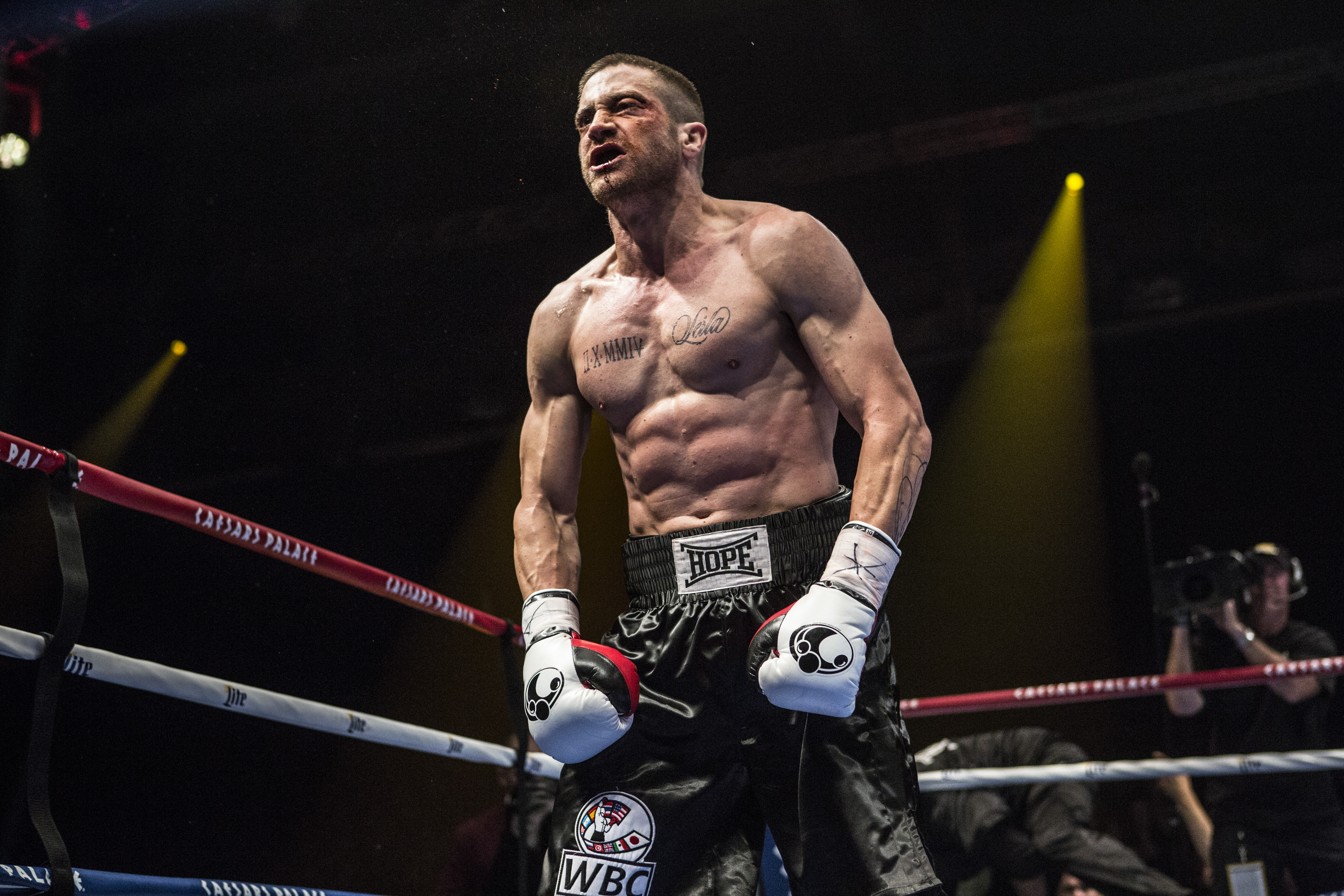
Southpaw - Jake Gyllenhaal

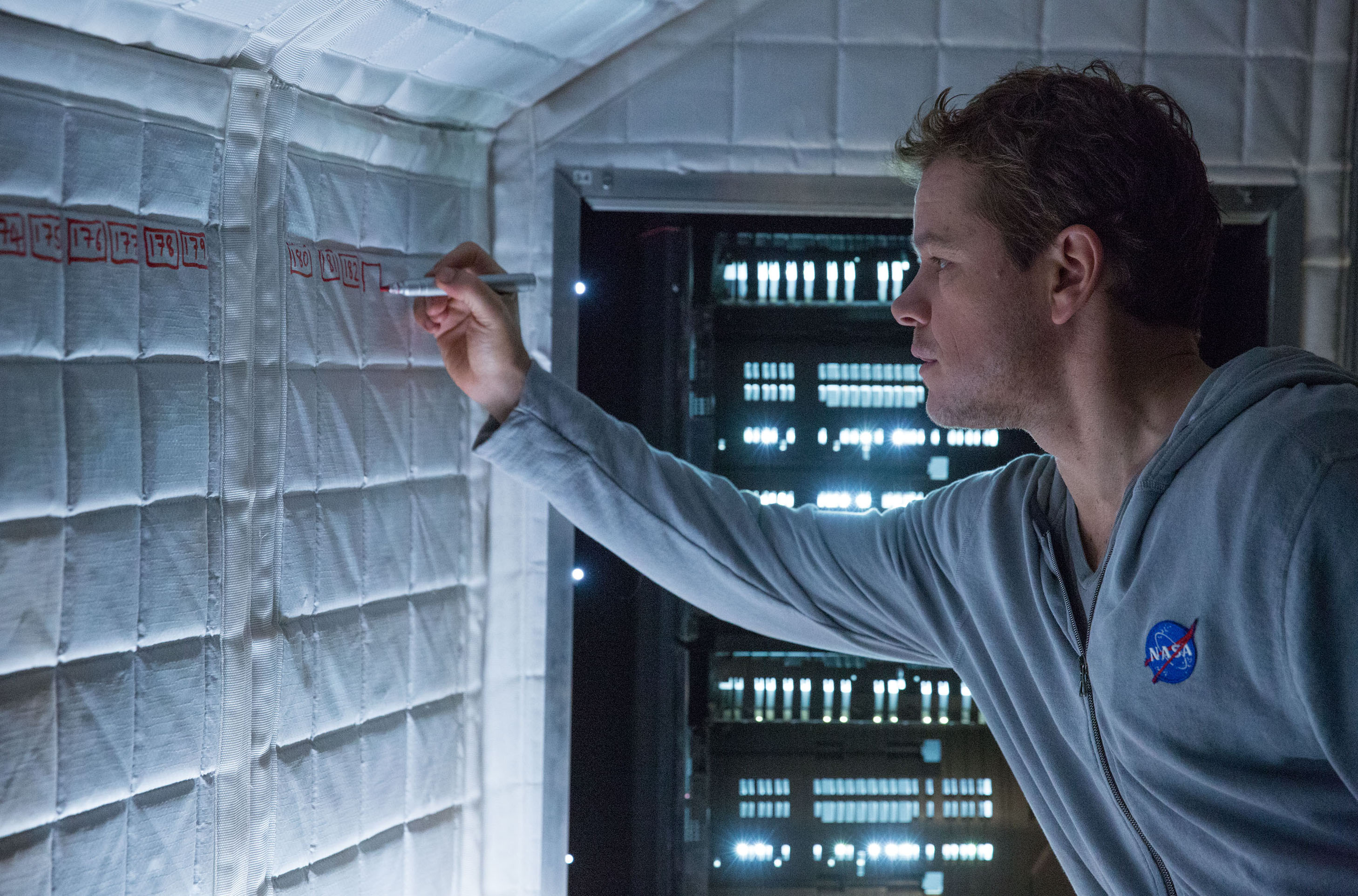
4. Matt Damon — The Martian

It is always a pleasure to sit back and watch smart people do smart things, and Mark Watney fulfils that criteria. The Mars-stranded botanist was originally conceived on the pages of Andy Weir’s novel, and while books by nature offer readers a blank canvas to visualise content as they so please, it is tough to imagine anyone other than Matt Damon as Watney. He purveys a resilience that endears, a wit that encourages laughter, and an occasional serious streak that demands wholesale sympathy. Good thing too, given Damon spends the majority of the two and a half hours on-screen by himself.
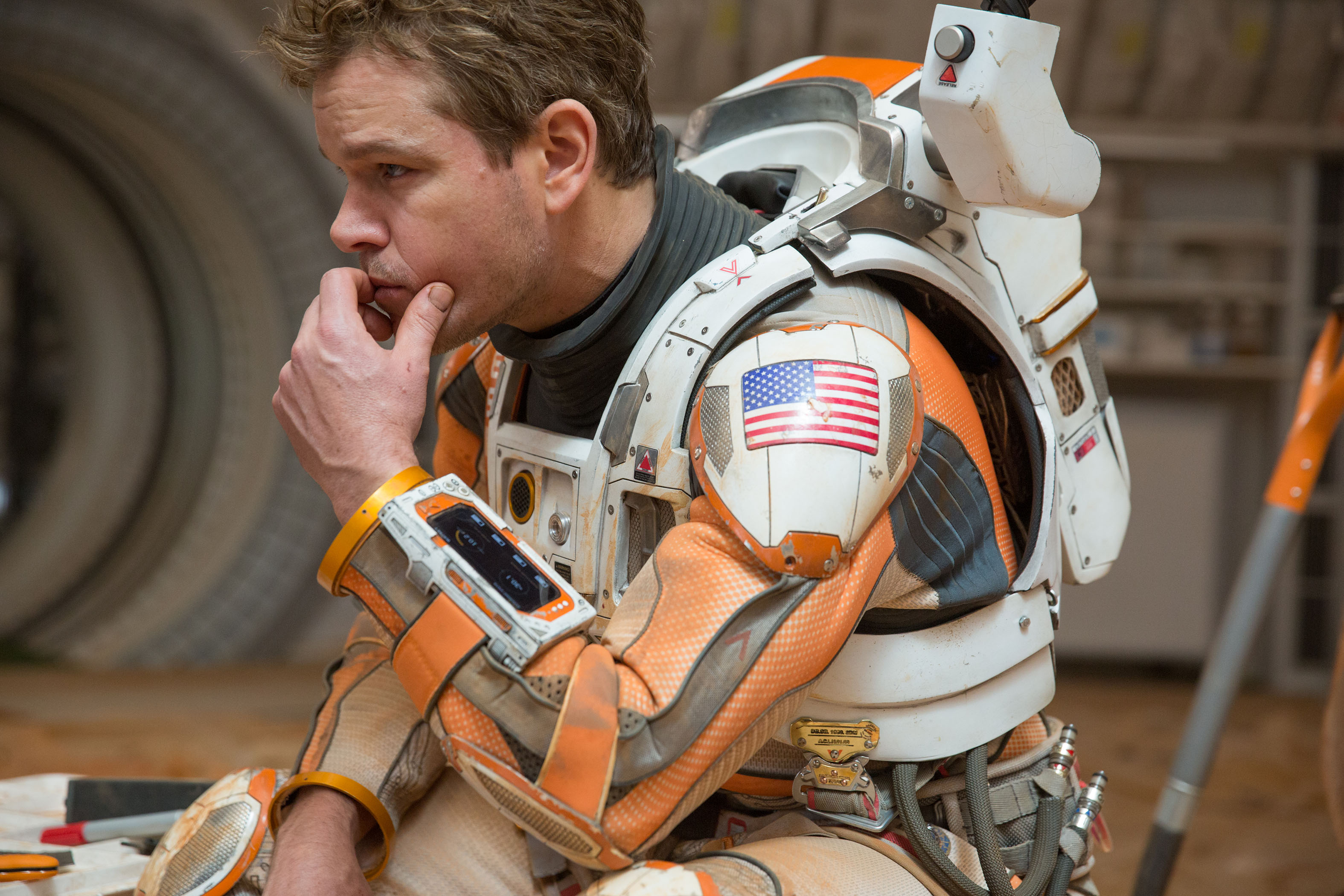
The Martian - Matt Damon

3. Michael Fassbender — Steve Jobs

Giving a personal face to an Aaron Sorkin screenplay seems difficult enough, but turning the notoriously hard-headed Steve Jobs into someone we can somewhat relate to is something else entirely. Michael Fassbender does just that as a specific version of the Apple genius — the showman — taking us on a journey through three product launches and three personality evolutions. There is a magnetism to the way he interacts with those around him as well as an initial, purposeful iciness that naturally melts into generous acceptance. Between this and his headline role in Macbeth, Fassbender’s had a strong year.
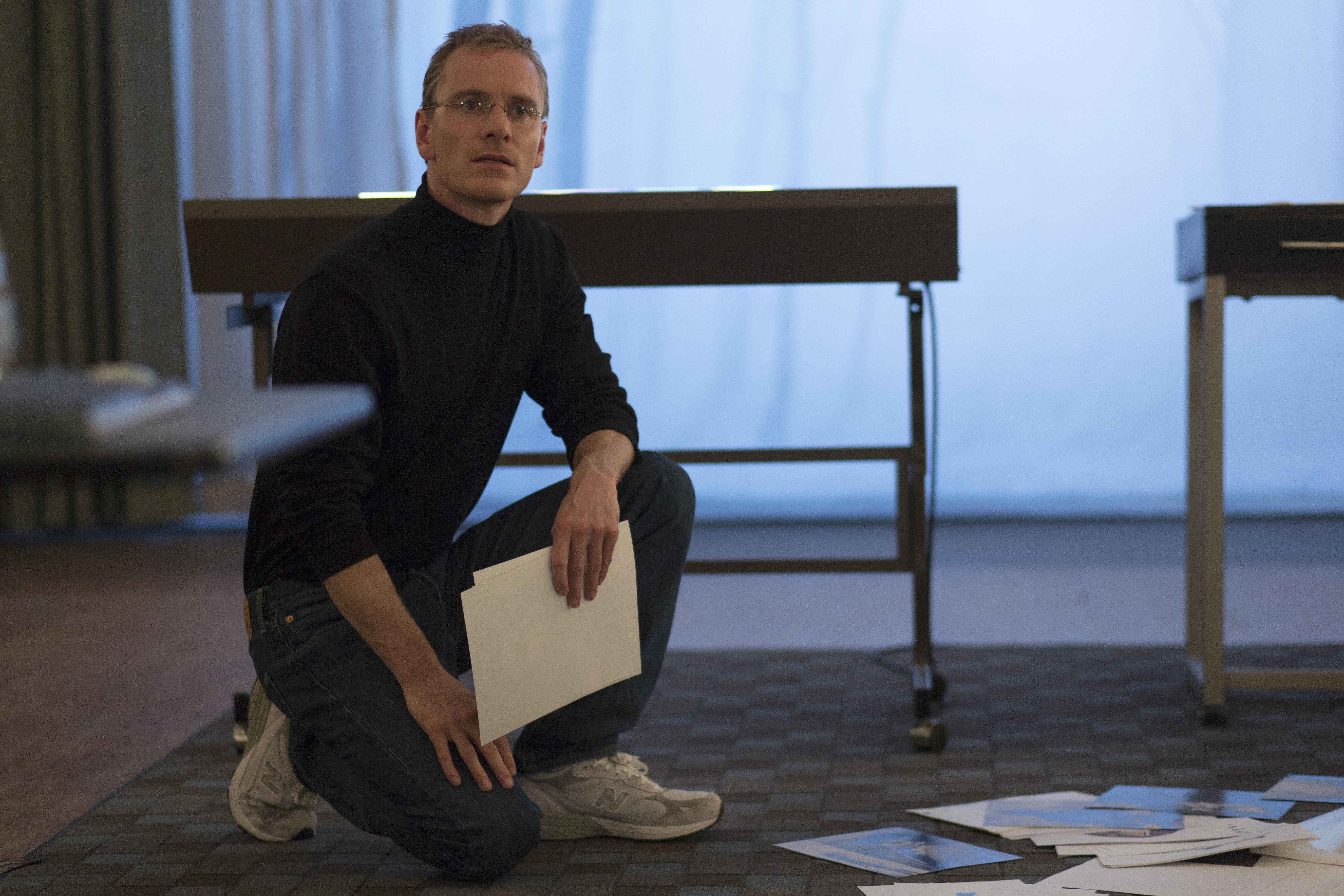
Steve Jobs - Michael Fassbender

2. Eddie Redmayne – The Theory of Everything

Transformative performances are in vogue in the world of Eddie Redmayne and it’s clear to see why: he is very good at them. Redmayne is back among the awards chatter having opened 2016 as transgender pioneer Lili Elbe in The Danish Girl, but his early 2015 portrayal of Stephen Hawking in The Theory of Everything is the superior of the two. The actor is exposed for all to see as the physicist, with very little to fall back on. His co-star Felicity Jones brings beautiful subtlety to Jane Hawking, the inverse of Redmayne’s painstakingly physical delivery. He won the Best Actor Oscar early in the year, and justifiably so.
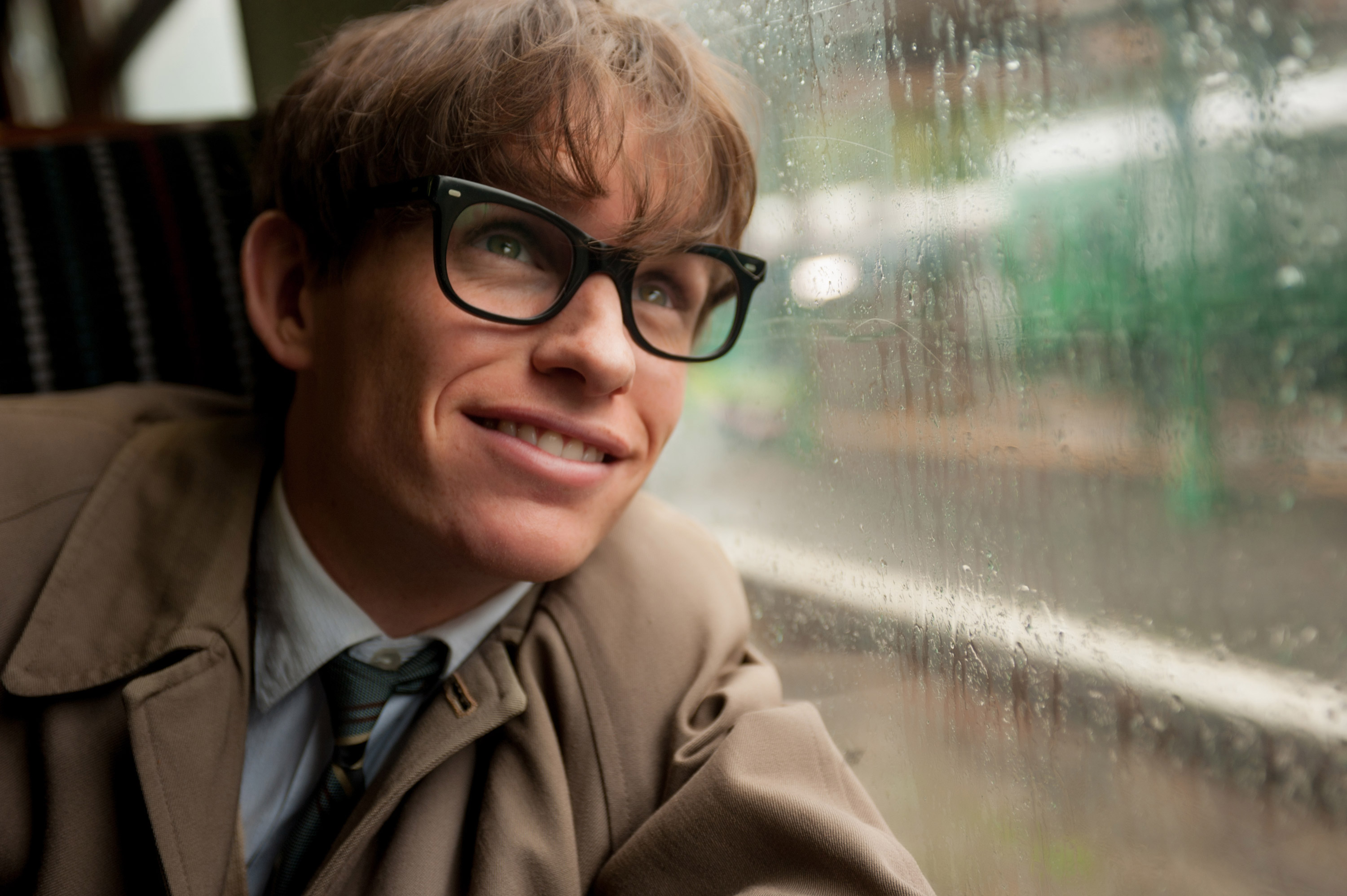
The Theory of Everything - Eddie Redmayne

1. Oscar Isaac — A Most Violent Year

While Redmayne and co. celebrated the industry recognition afforded to them via golden statuette, Oscar Isaac found himself devoid of even an invite to acting table. Criminally overlooked as struggling businessman Abel Morales, in A Most Violent Year Isaac — and I mean this with absolute sincerity — nears an Al-Pacino-in-The-Godfather level of performance. J.C. Chandor’s script is cool and careful, affording Isaac a platform to excel from. Abel’s aura is built upon composure and a need to maintain moral correctness, but shots are occasionally fired and with real menace. Isaac ensures we never dislike him though, which is saying something given the murky presence of vehicle hijackings and loan sharks. It’s not a showy performance, simply an utterly engrossing one indicative of a genuine movie star.

A Most Violent Year - Oscar Isaac

Special Mention: Steve Carell, Channing Tatum, Mark Ruffalo — Foxcatcher

Major props ought to go to the trio at the forefront of Bennett Miller’s Foxcatcher, all three as worthy of a top five spot as any. Ruffalo reverberates with awkward allure, playing someone who is keenly aware that his younger sibling could be as talented a wrestler as he. As said sibling, Tatum infuses the nominal jock archetype with a sense of unyielding desperation and highly sought after humanity. And Carell swaps bumbling comedy for haunting creep, dressed in a prosthetic getup that disguises his usual cheeriness and instead promotes true horror.

Foxcatcher - Carell & Ruffalo

Supporting Roles

5. Oscar Isaac — Ex Machina

It has been a terrific year for Isaac — he’s also great in an underserved Star Wars: The Force Awakens role — one that got underway in Alex Garland’s mind-prodding Ex Machina. Like Foxcatcher, this is another outing bolstered by three capable performances (and, indeed, a whole lot more). Isaac juggles a host of familiar attributes, from a macho physicality to a technological savvy to a weariness brought on by wealth, and it is fitting therefore that we can never quite pinpoint his mindset at any given moment. The untamed beard helps too.

Ex Machina - Oscar Isaac

4. Emory Cohen — Brooklyn

You’ll do well to find a more charming male protagonist this year than Tony Fiorello. He is the ideal boyfriend, nurturing but not overly invasive, and never a sappy thanks to Emory Cohen. Aided by Nick Hornby’s wonderful screenplay, Cohen brings a commendable amiability (particularly commendable when you consider who he acts opposite — the interminably delightful Saoirse Ronan) and a retro flair akin to that of James Dean: the wavy hairdo, the cheeky grin, the enigmatic charisma. It’s all there.
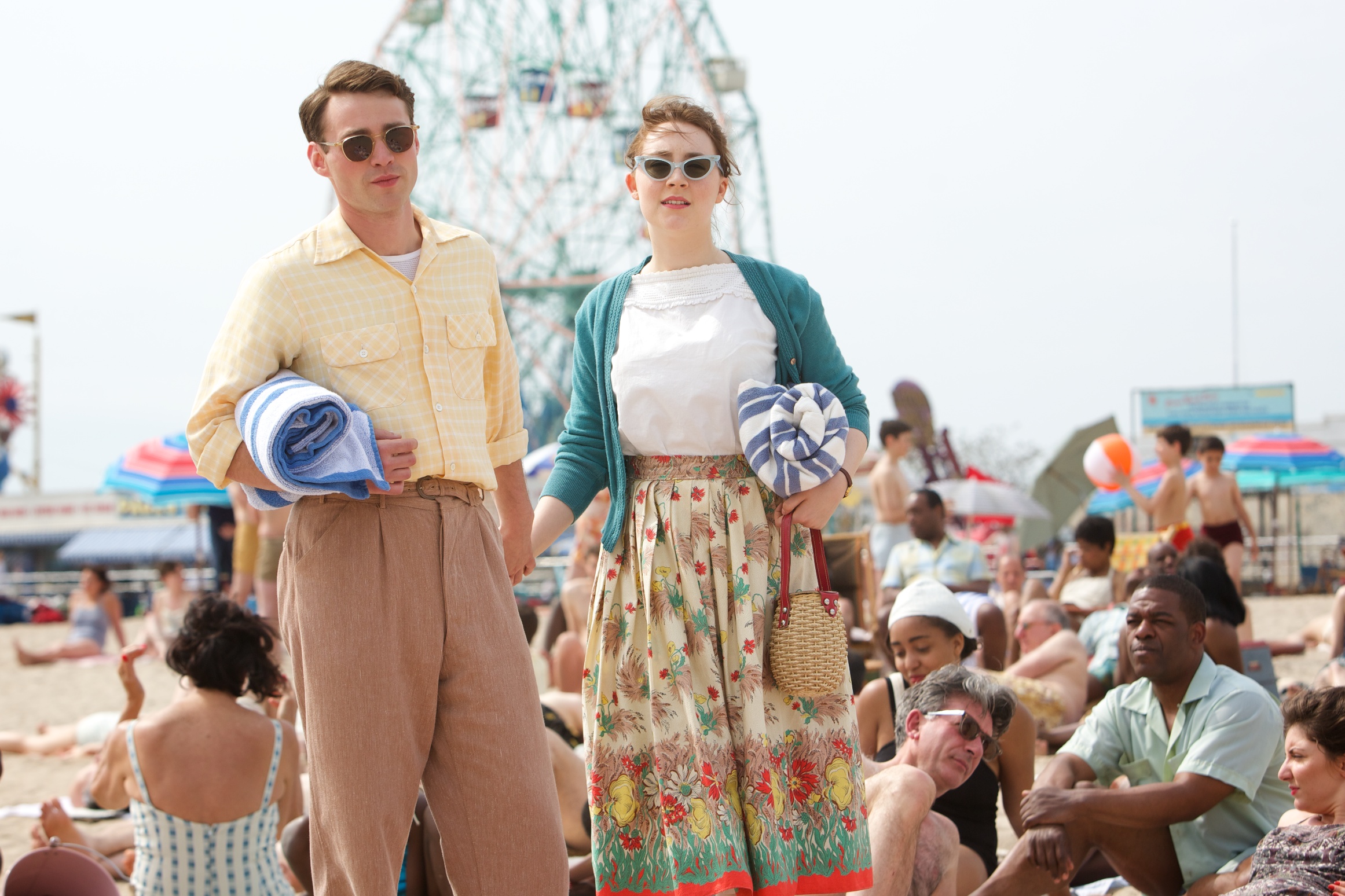
Brooklyn - Emory Cohen & Saoirse Ronan

3. J.K. Simmons — Whiplash

There is very little else that can be said about J.K. Simmons’ Oscar-winning turn as a maniacal music teacher in Whiplash, but I’ll say some more anyway. Having carved out a career playing bit part supporting roles, it feels right the most critically acclaimed turn of the actor’s career is his meatiest supporting stance to date. As Terence Fletcher, Simmons strikes fear into not only the mind of Miles Teller but of viewers also, unleashing a poised (and then not-so-poised) ferocity conceived in a pair of all-knowing eyes. No rushing or dragging here.

Whiplash - J.K. Simmons

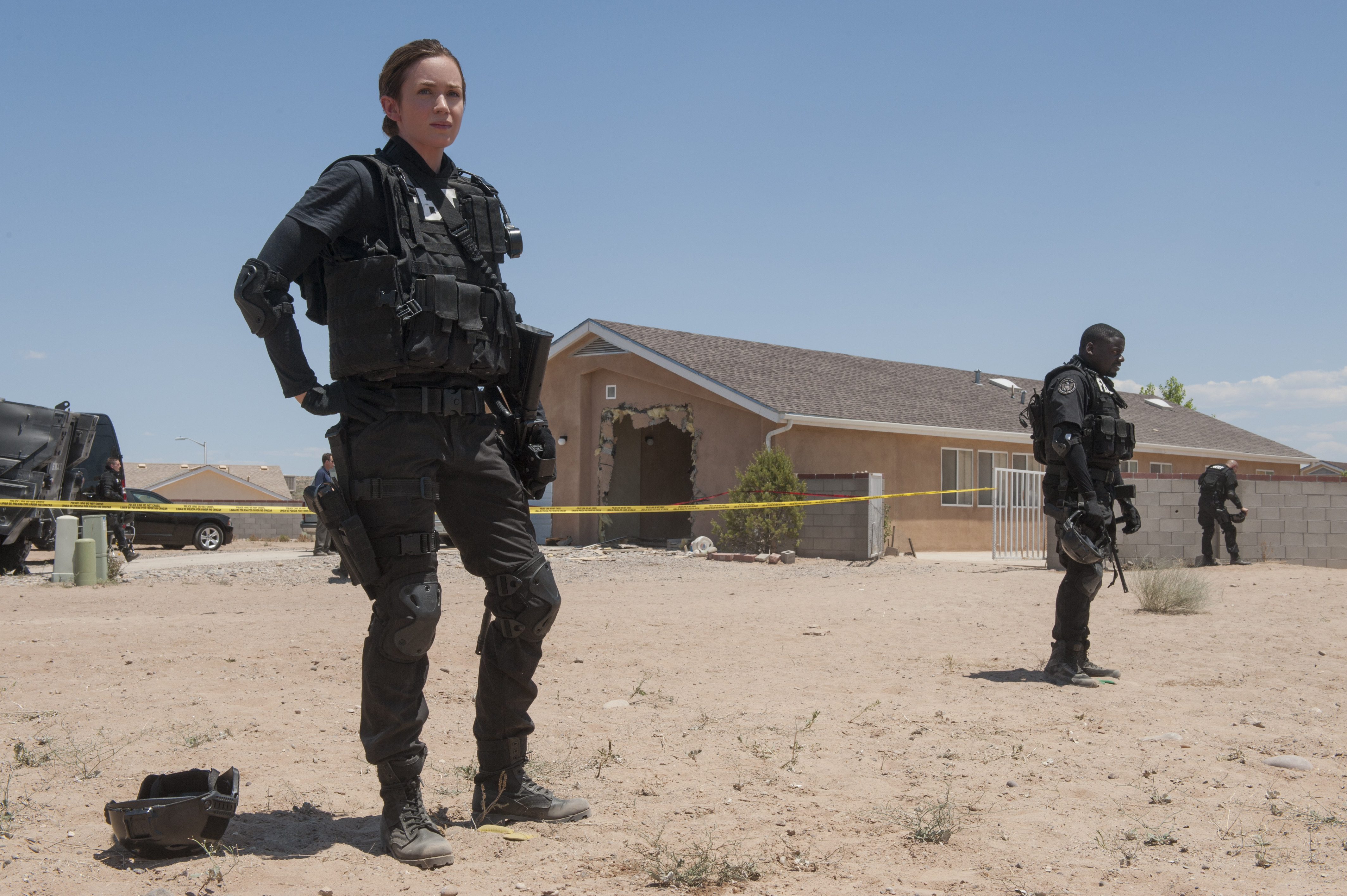
2. Benicio del Toro — Sicario

Mystery is the key to Benicio del Toro’s negotiation-avoiding brute. In my review of Sicario, I lauded his performance as follows: “Del Toro saunters on-screen parading a mystique that suggests he ain’t to be messed with. He folds his jacket even though it is already creased, a move that mirrors his make-up: externally unruffled but internally blazing. The actor has that grizzled veteran demeanour, his hitman reminiscent of Charles Bronson’s Harmonica in Once Upon a Time in the West.” That is to say, he’s quite good.

Sicario - Benicio del Toro

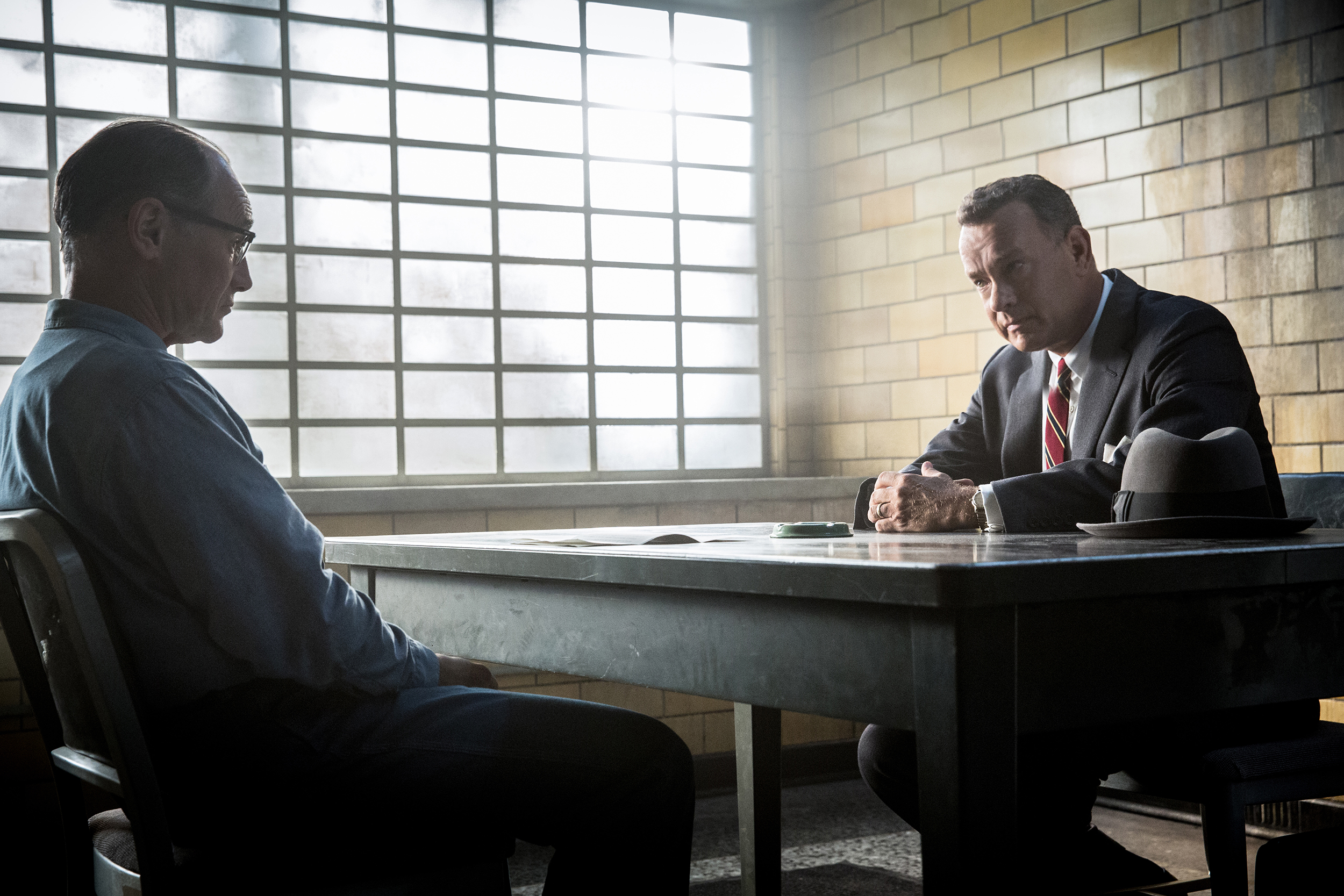
1. Mark Rylance — Bridge of Spies

Like the aforementioned J.K. Simmons, Mark Rylance has never really be one to court the cinematic limelight. He has primarily plied his trade in theatre, but there is nothing theatrical about his portrayal of potential Soviet spy Rudolph Abel in Steven Spielberg’s Bridge of Spies. Precision is key; you can’t keep your eyes off Rylance because every inclination, every stutter, every action appears to have some sort of meaning. The chemistry he shares with Tom Hanks — another would-be worthy addition to any celebratory list — breeds authenticity across a companionship that might otherwise have felt cold. Full Marks.

Bridge of Spies - Mark Rylance

Images credit: Collider, Nerdist

Images copyright (©): A24Focus Features, Fox Searchlight Pictures, LionsgateSony Pictures Classics, TSG EntertainmentUniversal Pictures, Walt Disney Studios Motion PicturesThe Weinstein Company20th Century Fox

Top 10 Films of 2015

2015 then. How best to sum the year up? Jurassic World chomped its way through the global box office with enough bite to break the Marvel mould (defeating those pesky Avengers in the process). Jurassic World was also part of a popular franchise revitalisation scheme, one that included fellow big hitters Mad Max: Fury Road and Star Wars: The Force Awakens. The latter, of course, is currently challenging Avatar for the highest-grossing movie of all time crown.

Heroines took centre stage: the battle-hardened Furiosa; the admirably persistent Kate Macer; the multi-skilled Rey; the emotionally resilient Riley. Critics hailed everything from smart sci-fi to nifty nostalgia while maintaining a sense of analytical balance by dealing stinging verbal blows to the likes of Entourage (full disclosure: I still haven’t seen it). Adam Sandler evaded baying cinema audiences though, opting instead to take his claptrap to Netflix’s smaller screen.

But there was plenty of good stuff too. Lots. So much, in fact, that gems such as It Follows, A Most Violent Year, Carol, Spectre, Macbeth, Ant-Man, and Whiplash haven’t even made it onto my list of top films. Cinema, as is always the case, is ending the year in pretty good hands. Here are 10 reasons why.

10. Brooklyn

Sentimental love stories are a tough thing to get right. You can overdo the romance and end up with a gallon of unappetising sap, or you might underserve the tender connection and leave audiences cold. John Crowley avoids both traps and instead tells an immigrant tale that blossoms with the aid of a genuine, lovely screenplay. Saoirse Ronan unveils a career-best performance as an Irish lass caught up in a turnstile of emotion; she is helped through the barrier by Emory Cohen, oozing 1950s appeal, and a poignantly plagued Fiona Glascott.

Brooklyn - Saoirse Ronan

9. Ex Machina

Alex Garland, whose screenwriting portfolio includes Danny Boyle’s sci-fi masterstroke Sunshine, paves his own directorial path with another, smaller science fiction spectacle. The scale might have changed but, like Sunshine, Ex Machina thrives on simmering tension and ambiguous characterisation. Domhnall Gleeson plays an employee who’s afforded the opportunity to spend a week with his innovative boss, Oscar Isaac. The catch? Alicia Vikander’s uncannily human-like android. It is a glossily realised melting pot of intellect and deception.

Ex Machina - Isaac & Gleeson

8. Sicario

Emily Blunt takes the lead as a gutsy FBI agent in Denis Villeneuve’s latest English-language film. Those that preceded — Enemy and Prisoners — focused on weighty themes and this is no different: Juárez, Mexico is the volatile setting and drug cartels are the violent subject. Roger Deakins’ cinematography transports us to a place we’d rather not be, juxtaposing coarse imagery with oddly beautiful landscapes. There’s also one of the scenes of the year: a traffic jam imbued with unadulterated anxiety. The ensuing beads of sweat could fill a river basin.

Sicario - Emily Blunt

7. Inside Out

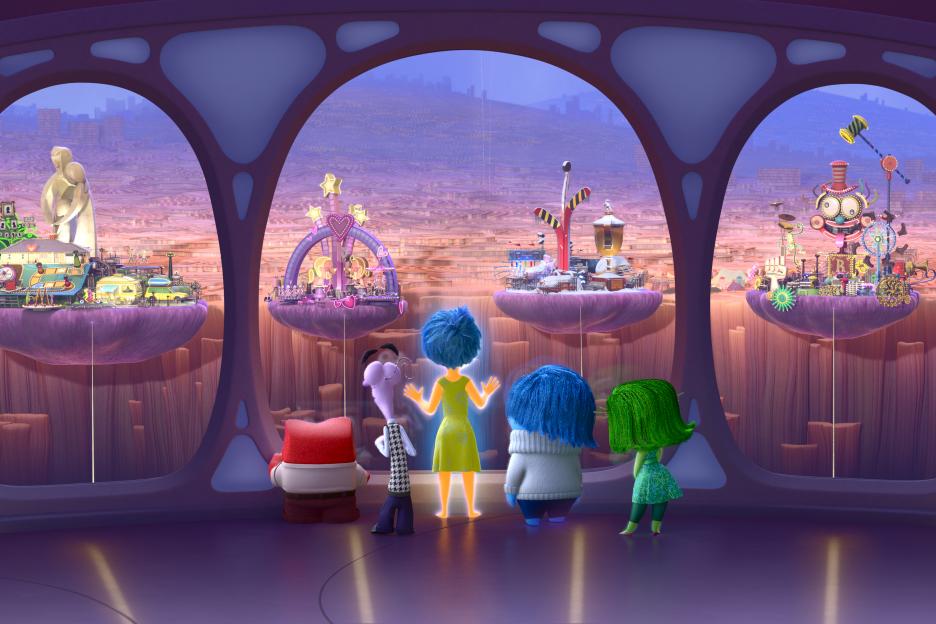
Pete Docter heads up an instant Pixar classic, another one of those ‘for all the family’ rarities. Inside Out has that vital energy and colourful exuberance youngsters cherish, but its beauty lies in its multi-collaborative screenplay that sends adults on a moving analytical journey. It examines social growth, mental strength (or lack thereof) and even the importance of parenthood. Admirably, the piece never shirks away from tough subject matters which means the rewards are plentiful.

Inside Out - Emotions

6. Girlhood

From one human drama to another, Girlhood follows the exploits of a teenager flirting on the fringes of adult life. A sister at heart to Richard Linklater’s Boyhood, Céline Sciamma’s touching tale tackles everything from commercial idealism, to economic division, to the richness of human interaction. Newcomer Karidja Touré is exceptional as the adolescent at the centre of proceedings, matching innocence to dissent with a natural flair beyond her years of experience.

Girlhood - Cast

5. Star Wars: The Force Awakens

The Force Awakens was either doomed to fail or destined to thrive. Either way, J.J. Abrams had an enormous task on his hands: without relying too heavily on fan service, the former Lost aficionado had to reclaim the magic of the original trilogy while also paving the way for future intergalactic adventures. We should hardly have worried given Abrams’ reboot track record (see Star Trek). His film is packed full of affecting nostalgia and is arguably the funniest instalment to date. Perhaps most importantly, the Class of Episode VII are as fresh and exciting here as their iconic ancestors were back then.

Star Wars: The Force Awakens - Kylo Ren

4. Foxcatcher

Laughs aren’t quite as forthcoming in Foxcatcher, Bennett Miller’s tragic sports-drama based on true events. It follows the Olympic-driven efforts of amateur wresting siblings Mark and Dave Schultz, played by Channing Tatum and Mark Ruffalo respectively, and their increasingly noxious relationship with trainer John du Pont. Steve Carell has the showiest role as du Pont, both terrifying and disturbing, however all three actors are equally effective. It is not an easy film to sit through, but it is a tremendously well-constructed piece of macabre cinema.

Foxcatcher - Carell and Tatum

3. Bridge of Spies

Steven Spielberg and Tom Hanks team up for a fourth feature outing, their latest effort an absorbing masterclass in classic filmmaking. Set at the height of the Cold War — Janusz Kamiński’s cinematography is crisp throughout, especially when we reach Germany — it sees Hanks in his typical everyman getup as a principled lawyer out to defend a potential Soviet spy. Mark Rylance’s grounded mannerisms humanise a would-be enemy (there are no real enemies on display, only opposing pawns) while Thomas Newman’s exquisite score mixes patriotic brass with a touching piano melody.

Bridge of Spies - Tom Hanks & Mark Rylance

2. The Martian

Being stranded on Mars for close to a thousand Sols eventually proved to be quite the grating experience for Mark Watney (Matt Damon), but spending a couple of hours at the cinema with the botanist was a complete joy. Ridley Scott brings more than just visual spectacle to screenwriter Drew Goddard’s fantastically witty take on Red Planet isolation. Damon is very funny throughout, and his moments of emotional weakness are wonderfully played too. The Martian must also boast the most impressive cast of 2015.

The Martian - Matt Damon

1. Mad Max: Fury Road

George Miller borrows from his own barnstorming back catalogue in order to rewrite the rules of action. Working within a genre that seemed destined to bow before digital effects for the foreseeable future, the director shot most of Fury Road using practical stunts and real life locales. Tom Hardy excels as Max, but the true lead is Charlize Theron’s Furiosa, a rampant survivor hell-bent on outmuscling tyranny and redressing social equality (yes, really). If any film managed to tap into the year’s cultural zeitgeist, it was this — and with absolute style.

Mad Max: Fury Road - Hardy and Theron

Images credit: Collider

Images copyright (©): A24Fox Searchlight Pictures, Universal Studios, Lionsgate, Walt Disney Studios Motion Pictures, Pyramide Distribution, Sony Pictures Classics, 20th Century Fox, Warner Bros. Pictures

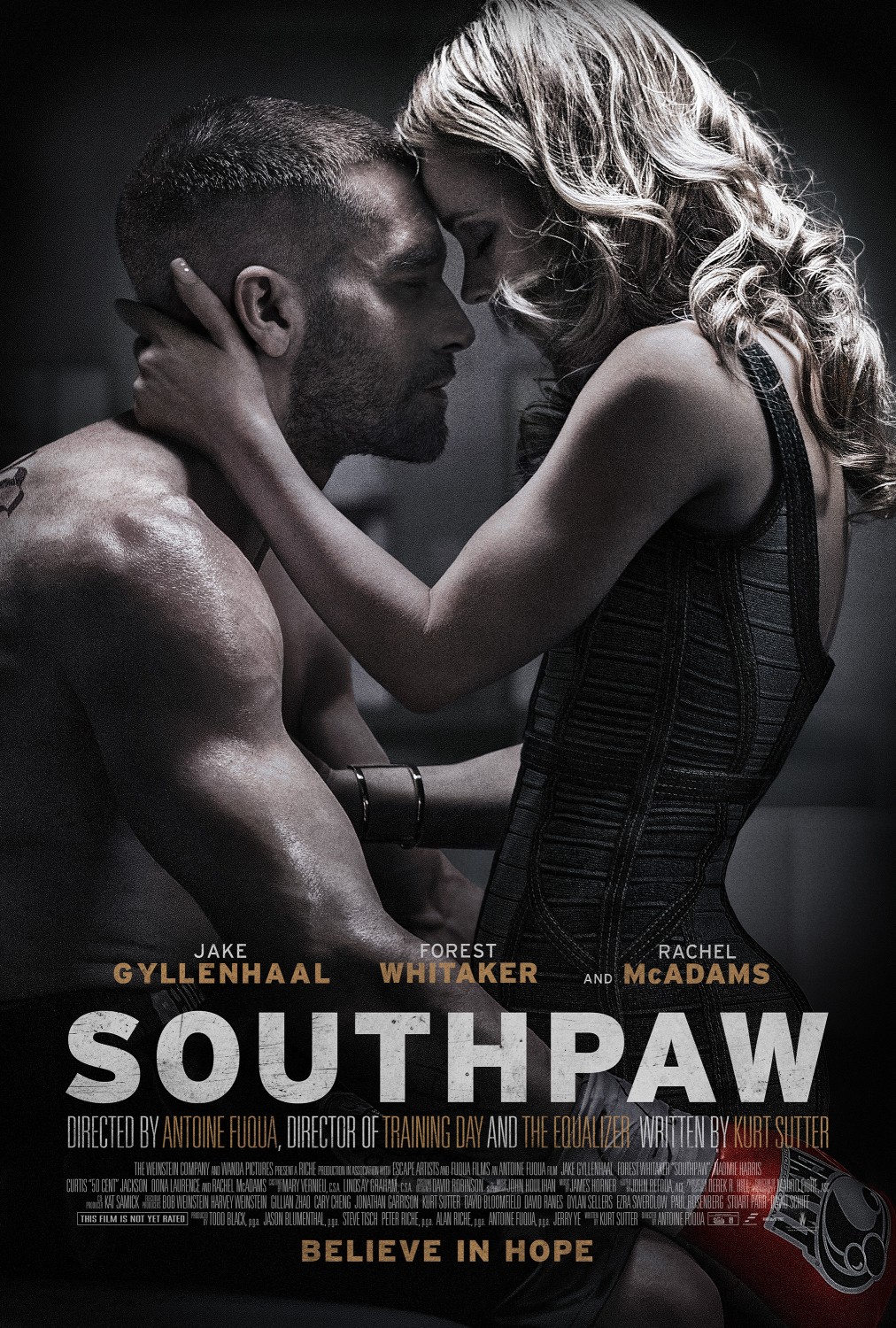
Southpaw (2015)

★★★

Southpaw PosterDirector: Antoine Fuqua

Release Date: July 24th, 2015 (UK & US)

Genre: Action; Drama; Sport

Starring: Jake Gyllenhaal, Rachel McAdams, Forest Whitaker

The fact that Southpaw struggles to hurdle the proverbial style over substance dilemma is perhaps not particularly surprising given its director Antoine Fuqua recently doused the silver screen with The Equalizer and Olympus Has Fallen. Having said that, Fuqua was also the man behind Training Day back in 2001, and had he borrowed more of that movie’s mettle, the filmmaker might have been onto a winner with this otherwise fairly conventional sports drama.

“Billy Hope” is a classic boxing name, the sort given to someone destined to surmount typical obstacles. True to form, Billy Hope (Jake Gyllenhaal) is an underdog: orphaned at a young age, odds stacked against him from the get-go, we meet Hope right before he is about to box for the World Light Heavyweight Title in Madison Square Garden. He wins. And that’s fine; boxing movies tend to be underdog movies for a reason — in real life, the sport is all about rising above adversity and showing heart, so it is right cinema should reflect that.

But when dazzling shots of New York City find significant screen time, something feels off. Commercialism is in the air and it rears its rich head more often than it ought to. Sure, this idealist aura fits when Hope is champion and resultantly wrapped up in his material world — he and his wife Maureen (Rachel McAdams), a fellow orphan, live in a plush home with their adolescent daughter — but as soon as the fighter loses everything, materiality should no longer be his goal. For a while, it isn’t.

After Hope’s victory, the film is dead-set on convincing us that boxers never truly win. From subtle hints at memory loss, to his wife’s misgivings about him competing again, to the actions of another title contender, the darker side of boxing is emphasised. Of course, tragedy is bound to strike and when it does it’s really quite heartbreakingly played by the people involved. Those who have seen the trailer will know what happens — I’ll avoid the particulars, though it is easy to work out. The abrupt nature of the tragedy suggests it is merely a narrative device designed to propel Hope’s story forward, and although there is truth to that line of thought, it does also introduce compelling themes such as fatherhood with greater heft.

The legal resolution to the tragedy is poorly realised; the consequences seem lazily construed (harsh punishments are dealt to innocent parties, whereas the guilty gang appear to get away scot-free). Left wallowing in despair, Hope turns again to boxing rather than his equally distraught daughter, and then to drink and violence when the fighting does not pan out. His once loyal promoter (50 Cent) drops him without any incline of regret because, after all, “it’s just business”. Here, Sons of Anarchy creator Kurt Sutter’s screenplay highlights the ruthless side of the sport, the corporate face that wholly goes against boxing’s brotherly backbone.

Gyllenhaal channels Anthony Quinn in Requiem for a Heavyweight, muttering and growling through helpings of dialogue. We watch him navigate home life with busted ribs and a busted face, and the actor sells the agony with so much realism you wonder whether he literally took a beating for his craft. The typical boxer stereotypes are enforced: Hope can’t really spell, nor is he a great public speaker outside the world of boxing, but at least we get a chance to see these anxieties play out. In truth he isn’t an especially well written character, erratic, for example, in moments of should-be clarity — an introductory conversation between he and maturing gym owner Tick Willis (Forest Whitaker) combusts out of nowhere.

I’m not entirely sure how Whitaker meant to portray Tick; he flirts between calm and crazed a little too enthusiastically. Oona Laurence ably pulls off Hope’s book smart daughter. She has lovely poise and avoids the potentially suffocating Grating Child Actor trap. This is the Gyllenhaal show though. He manages to terrify and reflect instability, yet still garner our complete sympathy. Indeed it is a transformative performance, but the muscular physicality is almost irrelevant. His heavy face, his anguished voice, his bowed eyes — these are the traits that actually engage us.

But as unoriginal training montages begin to arrive, coaxed on by Eminem, the overly produced aura makes a comeback. I think the film gets too caught up in reaching an idealistic end point: it needs to better separate the grit and the glam (it does for a while and works as a result), because the glam is poison and we do not want our reformed anti-hero seeking out poison. Million Dollar Baby is an example of a film that brilliantly subverts the recognisable model. Fuqua, it seems, can’t quite help chasing another false dream.

We do see an apt balance of grit and glam inside the ring. Fights are HBO presentations, and broadcasting mainstays Jim Lampley and Roy Jones, Jr. provide commentary. Wide shots positively feed the authentic televisual nature of the matches (as opposed to lingering on the boxers’ faces, common in Rocky and Raging Bull, those films likely limited by their technical capabilities). The fight choreography even evokes reality: head and body clinches are plentiful, and a blood-sweat concoction violently sprays at the behest of punches. One particularly intuitive camera movement vaults backwards over the top rope after a brutal uppercut.

Apart from that, there is nothing new going on here. Fuqua directs on familiar ground, navigating efficiently through the usual peaks and troughs before landing where all boxing movies land. His lead actor elevates the material, but even he needs more support from those around him (main villain Miguel Escobar (Miguel Gomez) is woefully wafer-thin). Southpaw was probably never going to be a true contender, but thanks to Jake Gyllenhaal, Billy Hope is at least somebody.

Southpaw - Jake Gyllenhaal

Images credit: IMP Awards, Collider

Images copyright (©): The Weinstein Company

Ex Machina (2015)

★★★★

Ex Machina PosterDirector: Alex Garland

Release Date: January 21st, 2015 (UK); April 24th, 2015 (US)

Genre: Drama; Mystery; Science fiction

Starring: Domhnall Gleeson, Oscar Isaac, Alicia Vikander

One moment programmer Caleb (Domhnall Gleeson) is sitting at his desk, face illuminated by the glaring light of his work computer. The next he is strapped inside a helicopter, flying over an ice age and landing in Jurassic Park. The technological feat awaiting him would likely put dino DNA revitalisers to shame. If not, his target locale is certainly about to outmatch Isla Nublar on the ominous atmosphere front. See, Caleb has won the opportunity of a lifetime: the chance to spend a week working alongside his employer Nathan (Oscar Isaac) at the latter’s remote outpost.

Nathan is a sharp-minded billionaire, which is plain to see upon reaching his scientific base: polished surfaces, gleaming windows, furniture positioned perfectly. Mirrors are plentiful, perhaps incorporated to feed the CEO’s macho demeanour (physical exertion is a favourite), and conjure up artificial reflections of those looking into them — more on that shortly. As Nathan, Isaac evokes detachment yet somehow also total involvement; he is knowledgeable, not only scientifically, but anthropologically too. He pokes fun at Caleb while asking all of the right (leading) questions to support his manifesto — for one, he convinces the out-of-sync employee to sign an autocratic non-disclosure form.

At once a beer-guzzling waster who speaks in Ghostbusters gags when drunk and a piercing intellect who is hard to pin down, the character benefits from Isaacs’ mysterious approach. Caleb has been invited over to test Nathan’s newest creation: an android called Ava (Alicia Vikander). A near instant iciness develops between both guys, purposefully invoked by Nathan and anxiously accepted by Caleb, and it only gets worse as the experiment progresses. Test sessions between Caleb and Ava are signified by creepy, black title cards bred from the hard-edged Alien school of font. These interactions begin innocently enough, though the tables subtly turn when Ava asks her examiner about his love life (“Is your status single?”). Caleb giggles accordingly.

Vikander is brilliant — she moves with an odd mechanical smoothness, and glides with inhuman grace. Her tone is at once impersonal and enrapturing. Metaphorically speaking, her existence embodies humankind’s attraction towards technological achievement and how said attraction has been, and will continue to be, massively detrimental (atomic bombs are mentioned). Writer-director Alexander Garland uses Nathan as a centrepiece for humankind’s petulance: at one point Nathan informs us he made Ava simply because he could. It is also worth pointing out the excellent work of Gleeson, who juggles both the need to discover and the fear of causing a fuss with pristine awkwardness.

Caleb doesn’t know how to process his attraction, dismissing it as a false consequence of the preconditions set by Nathan. “This is your insecurity talking, this is not your intellect,” replies the CEO with a dose of glee. Whereas earlier test sessions between Caleb and Ava would show the former on the left and the latter on the right, cinematographer Rob Hardy flips the two in later sessions. All of a sudden, he is part-AI and she is part-human. The artificial textures are so genuine looking they incur an uncanny valley vibe — the skin, the limbs, and the eyes all seem real, but we know they aren’t. We see all of this through Caleb’s gaze and Caleb, unsurprisingly, is bewildered and amazed, his sanity in depletion.

Garland delivers an indie outing that looks more mature than the norm and one that seems to carry more purpose too. It shares the same tense underbelly as Kelly Reichardt’s Eco-thriller Night Moves, only Garland’s film doesn’t lose steam halfway through, tension superbly maintained at the expense of clear-cut characterisation. We never truly understand anybody’s motive — how much does Nathan actually know about Ava? How much does Ava actually know about the programme? The entire film is like a sinister, sublime chess match formulated entirely by Nathan, and Caleb is the piece being played.

Dewy, misty surroundings denote total seclusion. A haunting score heightens bouts of inevitable eeriness (inevitable, but terrifically construed), particularly during a spying session. Even sweeter musical inflections, like an Explosions in the Sky sounding addition, are laden with menace. Every so often blood red warning lights repaint the scientific centre as a doomed spaceship — Event Horizon springs to mind, or perhaps Danny Boyle’s Sunshine, another Garland-penned film. It looks and feels like proper science fiction: you don’t know what is around the corner, but you do know whatever it is will hold secrets primed to test your mind and probably freak you out.

Considering all I’ve written, you might see Ex Machina as an old school genre movie: dotted with expositional speeches that explore futuristic themes; plans smartly laid out and then executed; tension constantly simmering; characters attempting to outsmart each other. Even though it falters slightly at the very, very last hurdle — though one wonders where else the story could have conceivably gone — smart sci-fi is a treat, and this will test your brain in the most engaging manner.

Ex Machina - Isaac & Gleeson

Images credit: IMP Awards, Collider

Images copyright: A24Universal Studios

Star Wars: The Force Awakens (2015)

★★★★★

Star Wars The Force Awakens PosterDirector: J.J. Abrams

Release Date: December 17th, 2015 (UK); December 18th, 2015 (US)

Genre: Action; Adventure; Fantasy

Starring: Daisy Ridley, John Boyega, Oscar Isaac, Harrison Ford, Carrie Fisher, Mark Hamill, Adam Driver

If the mark of a great movie lies in its ability to permanently tattoo a grin across the face of its viewer, Star Wars: The Force Awakens might just be one of the best movies ever made. I couldn’t help but smile profusely throughout J.J. Abrams’ stunning series revitaliser, so much so that by the time the credits began to roll (following arguably the best closing shot the saga has produced to date) my jaw felt like it had been tagged by a fiery lightsaber.

We’re drafted straight into the chaos of war, and we see said chaos unfold from the perspective of both sides. Led by the evil Kylo Ren (Adam Driver), stormtroopers invade a small village looking for information on the whereabouts of Luke Skywalker (Mark Hamill), and the one-sided battle that ensues relays a tangible energy missing from those ill-fated prequels. The scene shifts thereafter to Rey (Daisy Ridley), a scavenger rappelling down an airy, desolate craft hoping to find extraneous junk she can later trade for food. Much like Skywalker in A New Hope, we meet Rey draped in white dusty robes — they’ve turned greyish — on a scorching desert planet (Jakku).

Conversely, Ren’s First Order starship is chrome-like and glossy. When we promptly cut back to the vessel it evokes a sense of austereness, of strictly implemented structure, as if fear has been drilled into the crew by Ren and like-minded baddie General Hux (Domhnall Gleeson). By fervently switching between light and dark the film sets out its moral compass and highlights some truly wonderful sound design: the swoosh of lightsabers, the echoes of a vast ship. Ren is a terrific villain, full of dangerous complexity. Whereas Darth Vader would check his true emotion at the sliding door and favour an apathetic exterior, Adam Driver grants Ren an unpredictability that only serves to compound his menace.

Finn (John Boyega) is the link bad and good, having escaped the former only to find himself caught up in latter. We have moved away from the post-Cold War machine landscape into a more sinister, dehumanised age — stormtroopers are no longer artificial clones, but actual human beings, and Finn doesn’t want any part of the cruel conformity. He meets Rey on Jakku towards the beginning, at which point Abrams opts to stick with the pair, relying on their camaraderie and bustling chemistry. She is isolated yet wily and proficient; he functions through a humorous backbone likely installed as a defence mechanism against his shady past.

Ridley sparkles with vibrancy and Boyega is instantly likeable; together, they click into gear like a pristine Millennium Falcon. At times, you feel like you’re watching a buddy road trip venture, only here the sputtering cars have been replaced by sky-scoping jets. At one point both Rey and Finn repeat, “I can do this. I can do this,” perhaps speaking on behalf of their director who absolutely has ‘done it’. An information-touting droid named BB-8 trundles alongside the pair, spluttering hilarities. Oscar Isaac gushes charisma as Poe Dameron, premier fighter pilot for the self-descriptive Resistance, but he doesn’t feature nearly enough (nor does Gwendoline Christie’s First Order baddie Captain Phasma, who’ll likely see more screen time in the extended edition Blu-ray).

The Force Awakens wouldn’t be a proper franchise sequel without some crowd-pleasing throwback nods and while these moments are smirk-inducing for those in the know, they also bear just enough subtlety to avoid alienating those taking part for the first time. The snappy one-liners are genuinely funny and this shouldn’t be undervalued; indeed, the fact that many of the gags are rich in Star Wars mythology affords them greater validation. Marvel films, by comparison, employ a similar comedy format and although the jokes are often funny, they don’t quite have the same vitality.

A Kraken-esque battle scene inside a ship unfolds like something out of Doctor Who, only louder and bolder and much, much more expensive. Abrams’ film invokes the same melodramatic filling championed by the original trilogy: characters say mad things with a serious tone and pull it off. This is particularly true of Domhnall Gleeson, who offloads some terrific thespian yabber — 1977 wants its patter back — the best of which manifests during a maniacal speech straight out of Saruman’s playbook. But the outing is a playful fantasy at heart, a grandiose adventure, and everyone knows that. When some sentences creak, and some do, it’s just part of the charm.

That certainly doesn’t mean screenwriters Lawrence Kasdan and J.J. Abrams (they redrafted an earlier Michael Arndt script) avoid hefty solemnity. There are instances of genuinely shocking gravitas, moments bolstered by Dan Mindel’s sweeping cinematography. The landscapes that unfold before our eyes feel authentic, primarily because they often are. Fight scenes boast substance too and the action is easy to comprehend, therefore the stakes are raised. John Williams’ score, as if it really needs saying, is as wondrous as ever.

Speaking of revamped classics, a few familiar faces join in on the fun. Harrison Ford’s grouchiness totally fits his older Han Solo, the rogue still fond of heart-warming cynicism. Carrie Fisher doesn’t have an awful lot to do as Leia, now a General, but her presence fuels the film’s emotional weight. Crucially, and this is true of the various other returnees, the duo serve the story: seeing our heroes back together in such a familiar environment is meaningful. It also ages the world in the best way possible — we know it is the same place as before, but we don’t know what fresh mysteries lie beyond the next star.

The beauty of The Force Awakens is that it addresses the nostalgic needs of the many while simultaneously ushering in a contemporary set of filmic variables ripe for fresh storytelling. It’s not just about waiting impatiently for the old guard to reappear; the new faces are a delight. I say four stars for a truly fantastic motion picture romp, and one more to J.J. Abrams for his frankly ballsy decision to take on the hopes of a cine-nation and successfully rekindle that highly sought after magic. We really appreciate it.

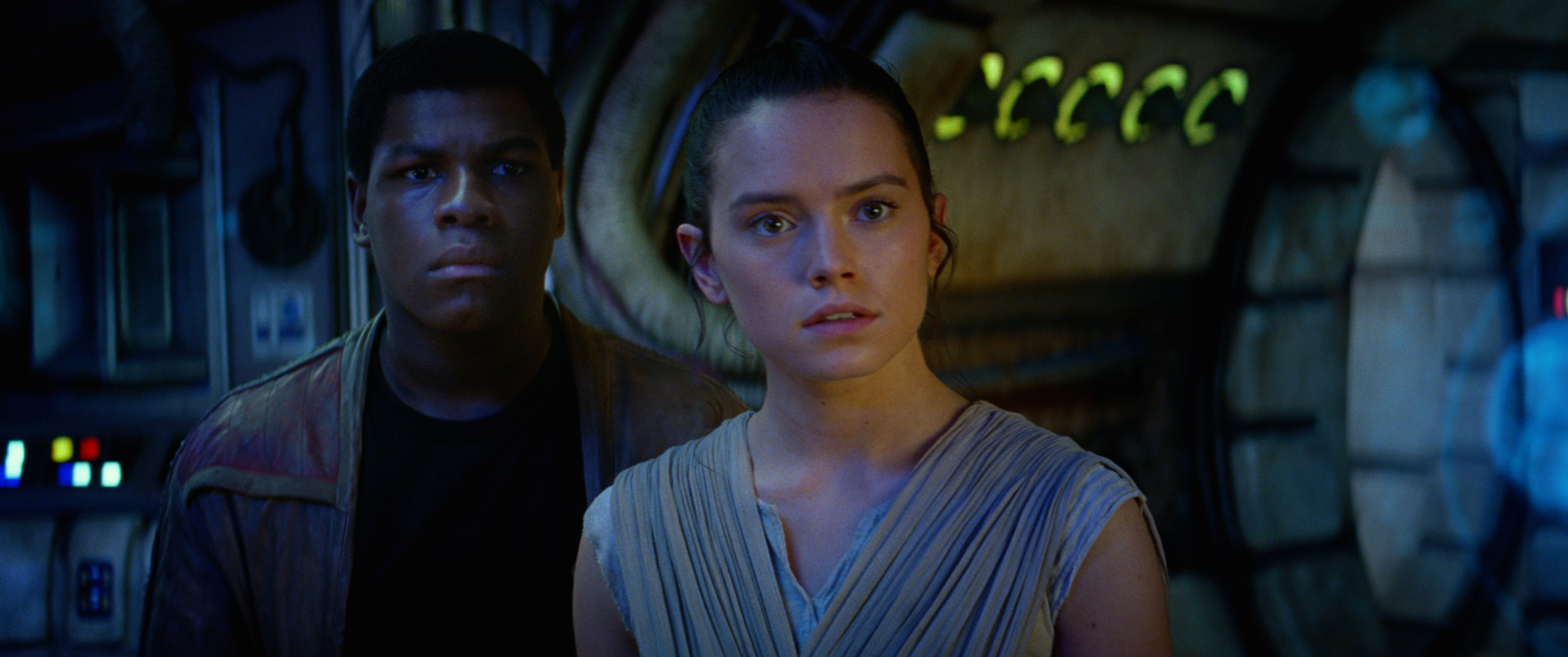
Star Wars The Force Awakens - Boyega & Ridley

Images credit: IMP Awards, Collider

Images copyright (©): Walt Disney Studios Motion Pictures

The Breakfast Club (1985)

★★★★★

The Breakfast Club PosterDirector: John Hughes

Release Date: February 15th, 1985 (US); June 7th, 1985 (UK)

Genre: Comedy; Drama

Starring: Emilio Estevez, Michael Anthony Hall, Molly Ringwald, Judd Nelson, Ally Sheedy

Society, redrawn as high school in The Breakfast Club, understands its five student detainees in the simplest, most convenient terms: Brain, Princess, Criminal, Athlete, Basket Case. To this lot, Saturday detention is the worst possible way they could spend their premier day of week. But it becomes the best possible endeavour soon enough — during this time, they figure out life. The Breakfast Club sees writer-director John Hughes at his very best, thriving atop apparently mundane ground and creating a parable of conscience and conscientiousness that utterly soars.

Watching the group uphold perceived convention is hilarious: Bender (the criminal, played by Judd Nelson) and Brian (the brain, Michael Anthony Hall) simultaneously begin to remove their jackets before catching eyes, at which point the latter gives in to the former’s steely glare and halts immediately. Brian passes his subsequent non-removal off as a swift re-evaluation of the room temperate — suddenly it is too cold to be without a coat. There’s the assumption that Andy (the athlete, Emilio Estevez) and Claire (the princess, Molly Ringwald) are dating, or at least that they ought to be. Meanwhile, Allison (the basket case, Ally Sheedy) spends at least half an hour chewing her nails.

Lunch adheres to the same stereotypical premise: one eats sushi with a wooden placemat; one unloads a full refrigerator of food; one swaps a ham filling for a sugar and crisp concoction; one scoffs on crustless peanut butter and jelly sandwiches; one has nothing at all. It’s all on purpose of course. The narrative necessitates this establishment of falseness, and Hughes obliges purely so he can tear said falseness apart as the film unfolds. It isn’t a straightforward ride into the land of truth — the students annoy each other incessantly and chip away at their various flaws before there is any substantial breakthrough. The breakthrough, when it does finally arrive, takes the form of a totally gripping 20-minute centrepiece discussion played beautifully by all five actors (they excel throughout).

As assistant head teacher Richard Vernon, Paul Gleason evokes a self-absorbed Ben Horne vibe. Just like said Twin Peaks character, Vernon is the ultimate corporate villain, a bully. He engages in name-calling and literally pushes the group around in an attempt to assert his authority. Gleason’s performance is exaggerated, but the point remains: the school principal is just as bad, if not worse, than his younger acquaintances yet for some reason society dictates otherwise. Parents receive it in the neck too. No adult is safe because no adult ‘gets it’, with the exception of school janitor Carl (John Kapelos), who commands a reprieve as his job suggests he isn’t one of the corporate rule-makers.

The five teens cannot help but stick up for one another during unfair inquisitions; they collectively concoct an alibi defending Bender after he sneaks out of a locked room and tumbles through the ceiling, causing a ruckus. Though their egos haven’t wholly meshed by this point, they each know who the real enemy is. Bender gets most of the flack, especially from Vernon who has clearly given up on his student. Even though the troublemaker isn’t all that likeable, we sympathise with him because at this point nobody else has, not at home nor in school, and that is why he acts out.

It wouldn’t be a John Hughes film without effective comedy. Pinpoint visual gags accompany those of the vocal variety: “Who has to go to the lavatory?” asks Vernon, and five hands shoot up instantaneously. Vernon actually rattles off a whole host of brilliant lines, including the delightfully playful, “Grab some wood there, bub” (again aimed at Bender). The film jaunts along with unruly energy, matching the 80s teenage bombast evoked in movies such as Risky Business — Andy even shows off some classic Cruisian dance moves.

The Breakfast Club is right up there alongside Richard Linklater’s School of Rock as one of the very best classroom flicks. And just like School of Rock, a very real case of stickittothemaneosis meaningfully pulses through its veins. Rebellion is the on the curriculum and these kids pass with flying colours. For further details, refer to the film’s finale: one of the most empowering final sequences in movie history fittingly serenaded by Simple Minds’ “Don’t You (Forget About Me)”. We won’t.

The Breakfast Club - Cast

Images credit: IMP Awards, Variety

Images copyright (©): Universal Pictures

Beasts of No Nation (2015)

★★★

Beasts of No Nation PosterDirector: Cary Joji Fukunaga

Release Date: October 16th, December (UK & US)

Genre: Drama; War

Starring: Abraham Attah, Idris Elba

Beasts of No Nation, concocted almost single-handedly by Cary Joji Fukunaga — or that guy who brought us True Detective season one — has been touted as potential player at next year’s Academy Awards. The catch? It would be the first Netflix original to rub shoulders with Hollywood’s elite on their golden night. Its online distribution platform may well be the future of entertainment (hopefully not exclusively), but the film itself is rooted in the past and present, telling a story of violent civil war in West Africa.

Fukunaga (director, screenwriter, cinematographer) patiently paints youngster Agu (Abraham Attah) and his family with endearing strokes: once a teacher, his father is now a humanitarian clearing land for refugees; his mother evokes a loving aura, carrying out maternal and manual tasks with a smile; and his aloof big brother is your typical teenager, obsessed with muscle mass, girls, and having a laugh. Agu himself is smart egg, a kid full of sneaky creativity. He deconstructs his father’s TV and rebrands the empty frame an “imagination television” hoping someone will fork out some cash or food for it.

Granted, there is a significant military presence in the unnamed village and displaced groups are struggling to find a place to settle, but life for Agu is fairly good given the circumstances. That is, until war truly makes its presence felt. “Nothing is ever for sure and everything is always changing,” narrates Agu. And everything does change, horrifyingly so. Separated from his family, Agu finds himself lost in the bush and about to unwillingly travel down a path paved in unethical stone. For at this point Idris Elba’s Commandant swaggers on-screen, an eerily charismatic rebel leader who hypnotises with words, poisoning the minds of those too inexperienced to think for themselves. Elba suitably commands, persuasive in posture and delivery.

Head of the Native Defence Force, his followers parade a faux-macho exterior, wagging weapons and wearing the surrounding landscape as a battle uniform. Agu, now with nowhere else to go, falls in line and begins his training as a child soldier. As words such as “family” and “father” ring out, you can see Agu’s resistance collapsing and his loyalties shifting towards Commandant’s bloody policy. The latter trains his young army to understand stringent battle formations and inflict uncompromising punishments, all the while a soundtrack of propaganda wails out in the background. The soldiers also play football, albeit more aggressively than normal, a fleeting reminder of their humanity.

Once in battle mode, the situation turns to abhorrence: one particular execution is horrid, but thankfully (admirably) Fukunaga doesn’t gratuitously linger on the visual. It’s not that type of film. Rather, Beasts of No Nation wants to convey the very real dehumanisation of children via war and mind-warping. The sieges that we see are so impersonal, so chaotic, that it is difficult to tell who is killing and who is dying — and that’s the point. One such invasion is painted red even before blood has been shed, ominously predicting the inevitable while also projecting the drugged-up mindsets of the invading adolescents.

Fukunaga’s lens work gives character to the jungle; shots of mossy foliage landscapes wonderfully signify the denseness of the locale, parading this idea that there is no escape, not even for the rebels. It is a notion best captured early on as Agu attempts to escape a band of gun-toting killers: Fukunaga pulls his camera back, carefully revealing the contrast between the vibrant jungle ahead and the smoke-filled decimation in the youngster’s rear view. The environment transcends reality: the aforementioned coaching sequences, engulfed by mist, are loosely reminiscent of those swampy Dagobahian sessions in The Empire Strikes Back.

Blood Diamond is a clear cousin: the setting, the narrative, the relationship between Agu and his family — these are all shared characteristics. But Fukunaga’s piece doesn’t have said outing’s heart. While the lack of direct Western involvement is entirely justified (character or plot-wise), the lack of a determined, soulful saviour hurts. In Blood Diamond, that saviour is Djimon Hounsou. He plays the father of a young child solider and his stunning performance imbues Edward Zwick’s film with hope and humanity, traits that are somewhat lacking on this occasion. You find yourself yearning for a Hounsou-esque force in Beasts of No Nation, particularly as Commandant’s poisonous grip over Agu gains momentum, but there simply isn’t one.

There is also very little grace — some might argue rightfully — and this causes you to pull away from proceedings. Without a father figure valiantly attempting to save his son, there is nothing really to tow you back in. Abraham Attah is a true revelation as Agu, his transformation from bright boy to corrupt soldier disheartening, but also lacking in any semblance of goodwill. Emmanuel Nii Adom Quaye is equally as good as Strika, another fighter with whom Agu bonds, yet unfortunately the duo don’t share enough screen time to truly generate a sense of collective humaneness.

I think the film is too long. Scenes reap repetition by the 80-minute mark, though this could be a measure employed intentionally to emphasise the gruelling nature of war. Fortunately, it does begin to incorporate some political elements in the third act; we hit an urban centre where Commandant engages in a verbal joust with another NDF head honcho. As they barter back and forth over payment, leadership, and resource deployment, The Last King of Scotland springs to mind. Had Fukunaga cherry-picked a tad more from his aforementioned genre ancestors, he could have been onto a classic.

Beasts of No Nation - Elba & Attah

Images credit: IMP Awards, Collider

Images copyright (©): NetflixBleecker Street

Tangerine (2015)

★★★

Tangerine PosterDirector: Sean Baker

Release Date: July 10th, 2015 (US); November 13th, 2015 (UK)

Genre: Comedy; Drama

Starring: Kitana Kiki Rodriguez, Mya Taylor

The first thing you notice in Sean Baker’s Tangerine is its rapid-fire manifesto. Editing, pacing, score, dialogue — everything is turned up to 11, including the sepia-tinted aesthetic. It looks a bit like how a Coldplay music video would if Coldplay ever tapped into their underground urban side, boasting heightened tones and the occasional influx of technicolour vibrancy. Discussions between characters — especially our two main protagonists, sex workers Sin-Dee Rella (Kitana Kiki Rodriguez) and Alexandra (Mya Taylor) — aren’t quite comprehensive chats, more vulgar sound bites.

The very simple plot revolves around the search for Sin-Dee’s pimp-turned-boyfriend Chester (James Ransone) who has been outed by Alexandra as a cheat. Sin-Dee, having spent the last month in prison, is on the warpath, tearing through makeshift sex dens and doughnut joints in her breakneck quest for answers. Mirroring films such as Locke and Collateral, Tangerine thrives on its simplistic premise that unfolds within a contained locale (the streets of Downtown LA) and, like in those outings, vehicles become key mediators — much of the unsophisticated magic takes place in cars.

Unlike the more polished aforementioned flicks, Sean Baker’s proposition is rugged and boisterous, thanks in part to its headline duo. They may not be A-list stars, but Kitana Kiki Rodriguez and Mya Taylor both completely convince as captivating on-screen presences. Rodriguez is spiky as the wittily named Sin-Dee whereas Taylor’s Alexandra relays a much calmer demeanour; she clearly doesn’t want any drama, though she is clearly also hanging around with the wrong ticked off prostitute. (Just in case we weren’t already aware, at one point Alexandra literally stands before a crossroads and chooses the quieter route.)

Later, we see her deliver a classically romanticised vocal performance before paying the venue manager for his troubles, and not vice-versa. She wants to be a singer, her desperation evident in this solemn scene that harks back to Girlhood’s “Diamonds” sequence. Alexandra’s trans identity adds some fuel to the narrative — we see men, including Armenian taxi driver Razmik (Karren Karagulian), give into their intimate urges while also trying to uphold some degree of self-perceived normality — but otherwise it’s beside the point. If there is any point to be made it’s that, by optioning good roles for trans actors, Tangerine represents what will hopefully become a proportional improvement.

We spend a fair chunk of time with the aforementioned Razmik and, while it isn’t time wasted per se, there is a sense it is time mishandled. He wheels around a bunch of not-so-eclectic residents in his taxi (one customer’s pet has just died, another inebriated duo disgustingly vomit everywhere) and you are left wondering why Los Angeles has suddenly run out of interesting folk. Perhaps it is just LA, but the film seems to exist in a world where nobody cares about anything or anyone, which kind of adds to the pillaging tenacity. Unfortunately, this also hampers your emotional involvement: there is no moral code, enemies fight all over town and then smoke a bong together in a seedy bathroom.

When characters aren’t communicating via swearwords, they deliver sporadic helpings of humour: a short-changed guy validates his craving for sex with a “come on, it’s Christmas”. Tangerine straddles the line between comedy and drama and just when you think things are about to get weighty, there is an influx of amusement. I think the piece is tonally muddled though: scenes exploring the woes of prostitution, of which there are many, could be presented as either lightly comedic or darkly dramatic, but the film opts for both and subsequently invokes a confusing disconnect. It’s tough to sympathise with a character who rampages through the streets towing a hostage one moment, and then supports her dream-chasing mate the next.

It is common knowledge that the film was shot using the iPhone 5s, not that you ever really notice. Indeed you do feel like you are on street level among the myriad of personalities, but that’s not exactly something the iPhone can claim exclusivity over. City of God, shot using conventional equipment, manages to generate the same immersive pretence for instance. Baker and Radium Cheung both have cinematography credits (Baker also co-wrote the film with Chris Bergoch) and their collaborative effort is effective — a car wash scene is particularly excellent, filmed with invention and amusement in mind.

“Los Angeles is a beautifully wrapped lie,” bemoans Razmik’s annoying mother-in-law. Her statement rings true as the film reaches its conclusion: a neon-infused Spring Breakers synth vibe serenades characters whose worlds are sort of in tatters, probably not unexpectedly given the tumultuous nature of their jobs. There is hope, but by this point I wished I had been given more of a mandate to care.

Tangerine - Cast

Images credit: IMP AwardsThe Guardian

Images copyright (©): Magnolia Pictures

Carol (2015)

★★★★

Carol PosterDirector: Todd Haynes

Release Date: November 20th, 2015 (US); November 27th, 2015 (UK)

Genre: Drama; Romance

Starring: Cate Blanchett, Rooney Mara

A fateful glance across a shop floor ignites this grandly passionate yet earnestly personal love story. It is that classic meeting of the eyes moment, and eyes end up playing a huge part Todd Haynes’ tale — store clerk Therese’s (Rooney Mara) are expectant and uncertain whereas socialite Carol’s (Cate Blanchett) mask a painful truth. The two women subsequently have a conversation: “Shopping makes me nervous,” confesses the latter. “Working here makes me nervous,” replies Therese. Really their nerves are a product of each woman’s attraction to the other, the initial spark of excitement that could burn out or, potentially, flicker into something more fiery.

For many, Therese will be the more relatable of the two. She is the amateur embarking on a new adventure, full of excitement and trepidation. A femme fatale with a conscience, Carol must juggle instinct and desire against her past experiences. We’ll get to that. On a surface level, the film is practically faultless. Therese dons comfy woolly hats and patchwork scarves. Conversely, Carol is always decked out in the finest looking garments, and while she attends sophisticated parties entertained by brass bands, her soon-to-be other half drinks down the local. The aesthetics, though nice to look at, are completely beside the point. In fact, class and social standing are hardly acknowledged — the barrier holding back romance is society’s unwillingness to accept human nature.

Adapted from Patricia Highsmith’s The Price of Salt, the screenplay is at times too self-aware. Words don’t feel forced, but convenience does play its part: initiated by her male friend, Therese happens to have a spur-of-the-moment conversation about attraction shortly after meeting Carol. At worst, the script is a product of its naive time period and perhaps this makes it a bit less emotionally involving than something like Blue is the Warmest Colour (a film that can more easily evade ideas of social vilification and instead channel its energy into character-driven ideals).

On the flip side, these abrupt conversations about perceived cultural faux pas work because they incorporate notions of identity, and the film is an exploration of exactly that: Therese is still searching for her identity and has nothing to lose; Carol knows who she is, but is losing everything as a result. We often see the former gazing longingly out of shaded car windows, her face hidden beneath layers of sleet or rain, the suggestion being we’ve yet to see the real her. A delectable soundtrack matches the mood at any given time — Billie Holiday’s “Easy Living” is a particular highlight. The film is dripping in romantic overtures, it has to be, but there is a sincerity at play aided by grounded performances that steer the piece clear of potential sappiness.

And Carol, like John Crowley’s Brooklyn, is at its very best when its two muses are together on screen. With poise and consideration, their chemistry develops naturally. Whereas Carol is outwardly confident, oozing the sultry vibe of classic Hollywood star, Therese looks and sounds like a student taking extra lessons from her tutor during lunch break — she is initially on edge, bumbling, unsure of her standing with Carol. The characterisation is far from black-and-white though; both women evolve and devolve as their relationship gains and loses momentum.

Carol, for instance, is a bit of a mess herself, elegance shielding her crumbling home life. This fractured domesticity constantly gets in the way, even when she and Therese take a festive road trip (like Die Hard, this could end up being another go-to Christmas flick that isn’t actually about Christmas). The desires of husband Harge (Kyle Chandler) constantly linger and, sure enough, he bursts into view at the most inopportune moments. Chandler spends the entirety of proceedings with a grimace tattooed to his face. Harge isn’t a bad guy in fairness, but his attempts to hamper Carol’s relationship with her daughter, whom she loves dearly, are unsavoury. Sarah Paulson also shows up as Carol’s confidant, Abby, and is excellent as the realist with a heart.

Edward Lachman’s crackling cinematography warms us to the wintry 1950s cityscape. His camera glides around our central protagonists as they test the amorous fumes with slight touches, the lens fully aware sparks are flying and waiting for the right moment to engage — when intimacy inevitably erupts it’s expertly judged and as far from gratuitous as can be. The framing is also a joy to watch: one particular still shot splits the screen in half, on the left depicting Carol behind a doorway and on the right emphasising a picture of a ship caught in stormy waters. These instances are indicative of an outing clearly in love with the filmmaking process, and there is even a nod to the projectionists of yesteryear (and those valiant few still standing). Aspiring screenwriters get a shout-out too: “What I wanna do is write, that’s why I watch movies.”

If cinema interests you in any way, chances are you’re already well aware of the buzz surrounding both Cate Blanchett and Rooney Mara and don’t need me to bolster an already sturdy case. Director Todd Haynes knows his actors are the driving force behind Carol’s success and rightly lets them get on with it. For what it is worth, the two are collectively and individually excellent: Mara’s subtle development is a joy to watch and a legal scene played with heartbreaking authenticity by Blanchett is the type that wins awards. The Aussie ought to invest in another trophy cabinet.

Carol - Rooney Mara & Cate Blanchett

Images credit: IMP Awards, Collider

Images copyright (©): The Weinstein Company, StudioCanal